May 27th, 2026
Learning without limits: the global state of education
A deeper dive into the global state of education
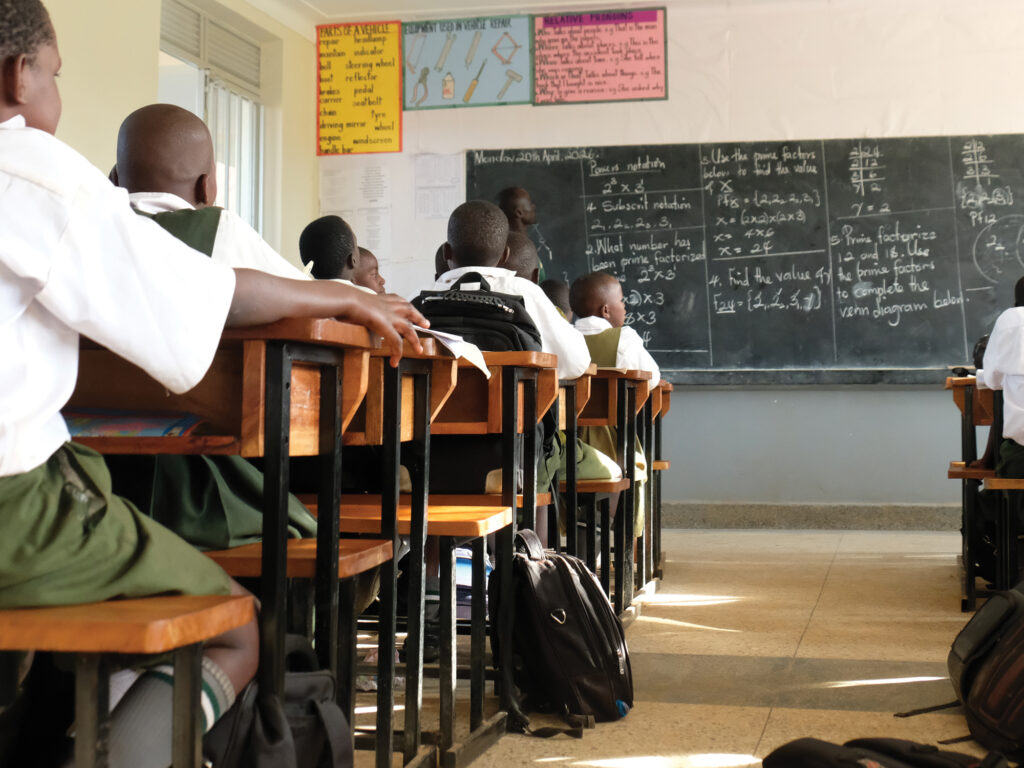
Students learning at Makonge Primary School in Kiyindi, Uganda, 2026
Since its launch in 2015, the United Nations’ 2030 Agenda for Sustainable Development set out to end poverty, reduce inequalities, and promote peace and prosperity. Its sustainable development goals, organised around people, planet, prosperity, peace, and partnership, present an ambitious blueprint for a more just and sustainable world.
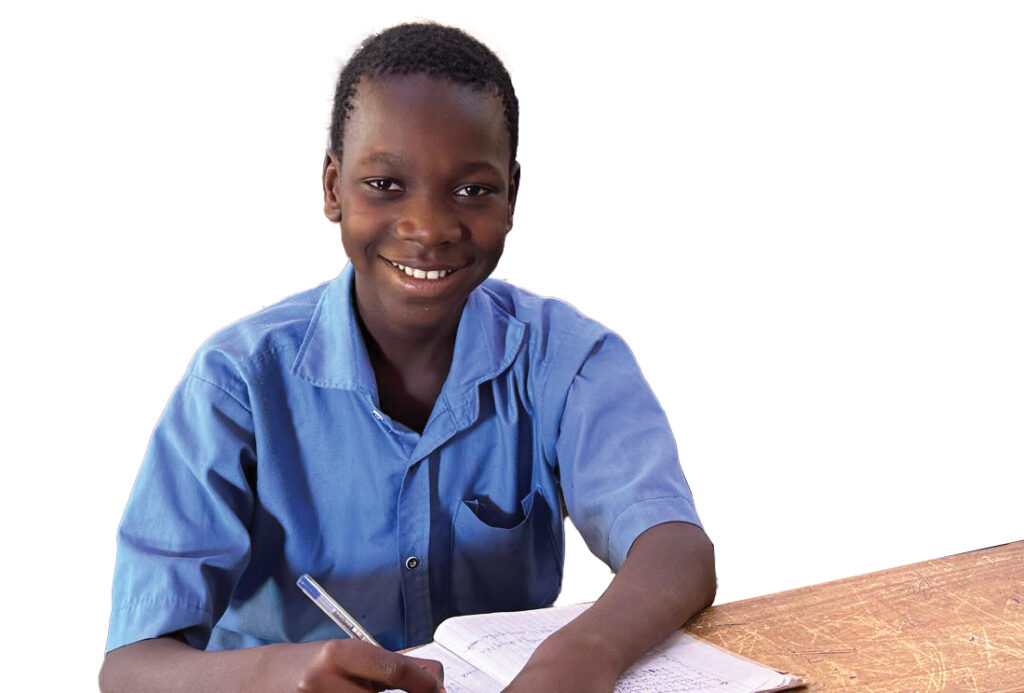
(Pictured) Abdoul Aziz, a displaced student, is doing well in his studies thanks to psychological sessions at La Bonne Nouvelle School in Burkina Faso, 2026
One of these goals focuses on ensuring every child and young person can access quality education and lifelong learning opportunities. This commitment is rooted in the belief that education is a fundamental human right and a driving force for broader development.
Access to learning strengthens families, and communities, and helps societies to grow in ways that are economically, socially and environmentally sustainable. With 2030 fast approaching, achieving this remains a challenge.
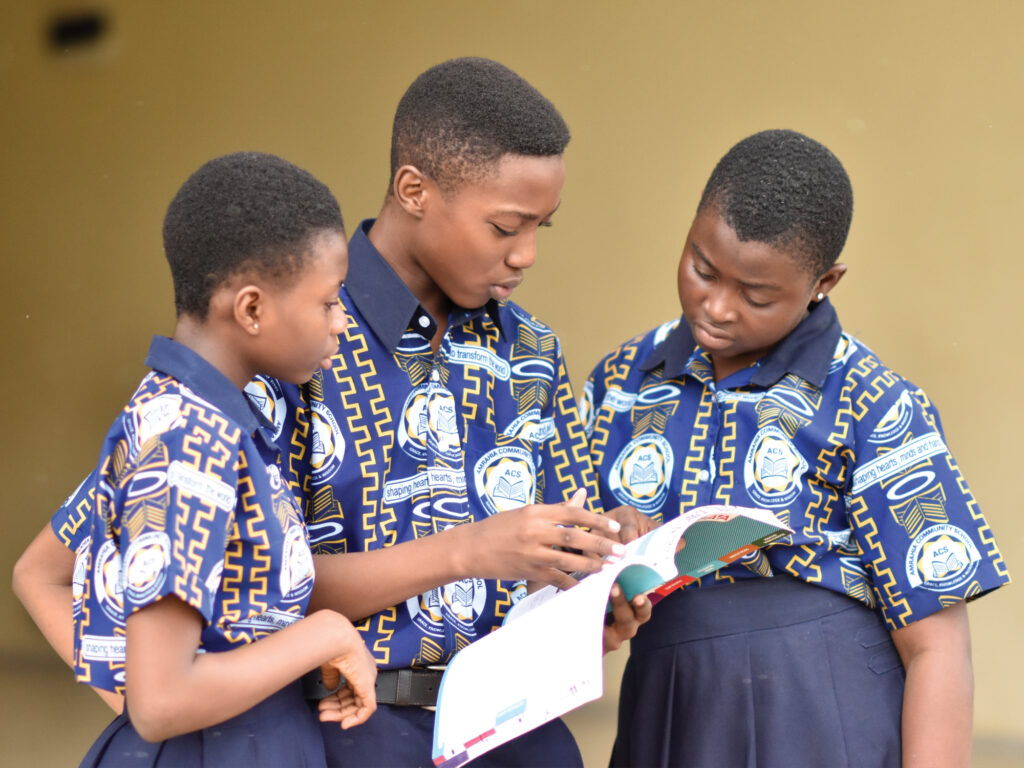
Students chatting together at Amrahia Community School in Ghana, 2026
While there has been measurable progress, 110 million more children have entered school since 2015, and 40 million more now complete secondary education, but major challenges persist. Approximately 272 million children and young people are still out of school, nearly 40% of them in sub Saharan Africa.
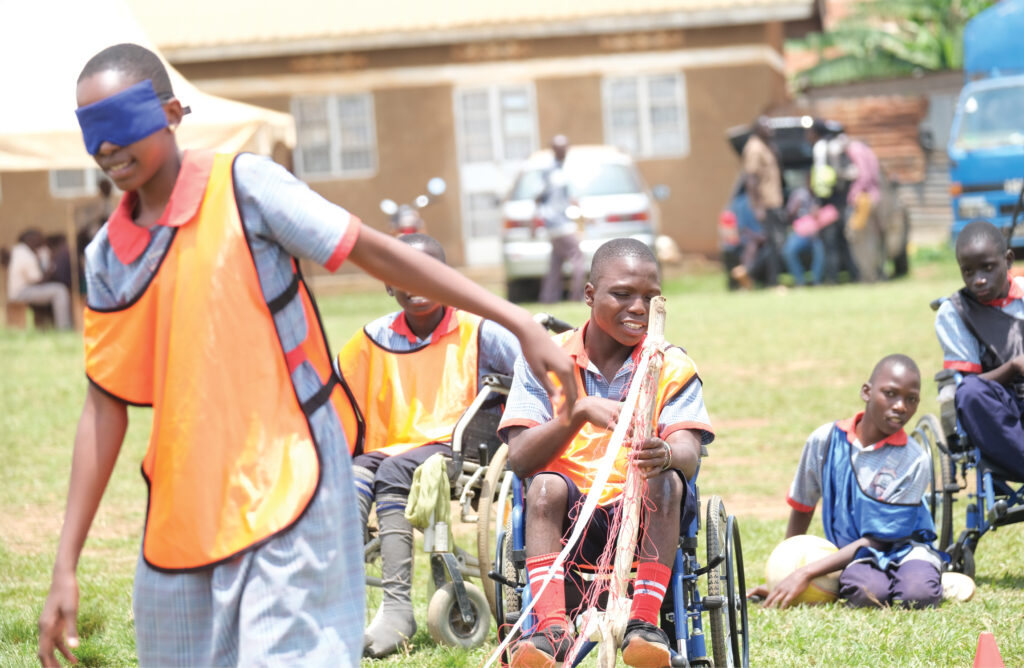
Action shot from a 2025 Sports Festival run by International Needs Uganda that actively includes children of all abilities
The most disadvantaged groups, including children with disabilities, those living in remote areas, and those affected by conflict, continue to face the greatest barriers to education. In- low and middle-income countries, about half of children with disabilities do not attend school.
But in some countries or local contexts where barriers are especially high, this can be closer to 90%.
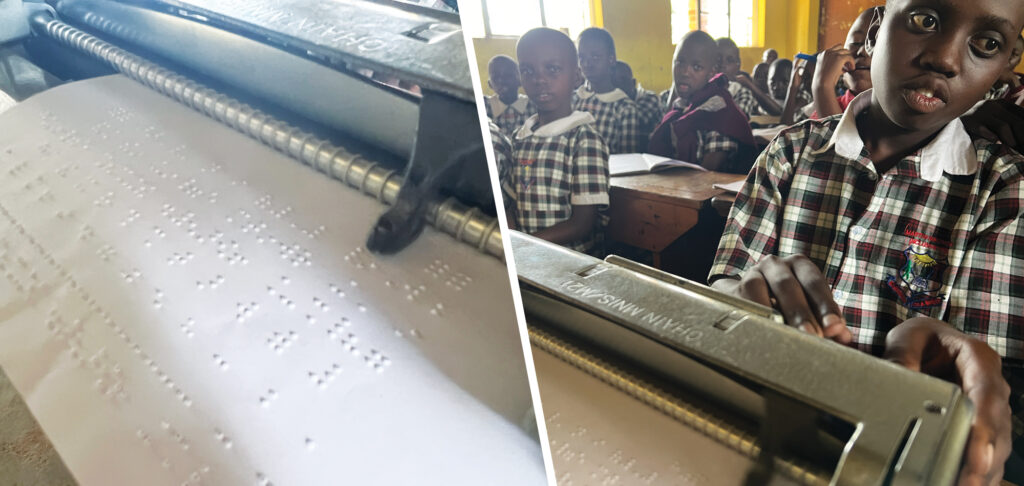
A student at The Martin Nkoyoyo Inclusive School using a Braille typewriter, 2024
Achieving this goal depends fundamentally on people, especially teachers. Recruiting, preparing and retaining well-educated and well-trained teachers is essential, particularly to ensure they can support learners with diverse needs.
But effective teacher development needs to reflect the social, cultural, economic, and political realities in individual countries. Teachers work in widely varying conditions from crowded, under-resourced classrooms to environments shaped by poverty or changing policy priorities.
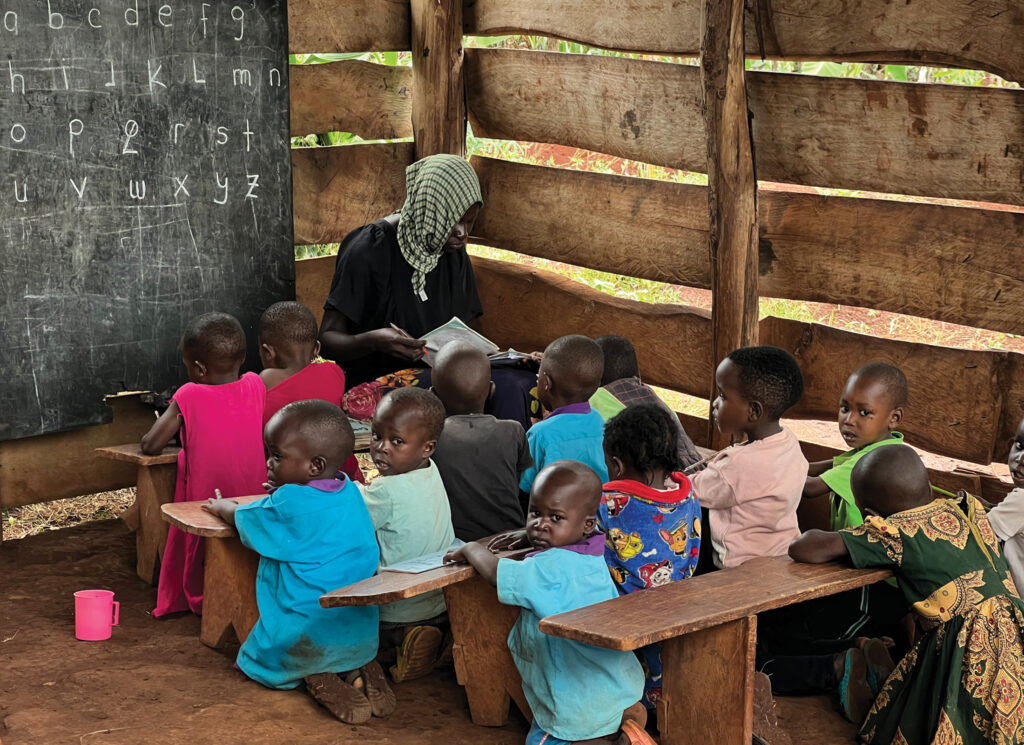
Rural Ugandan school, 2024
Teaching in a rural, resource poor setting demands different skills, tools and support systems than in a better resourced urban school. Likewise, teachers in conflict-affected areas may require trauma-informed training and flexible approaches that accommodate disrupted learning.
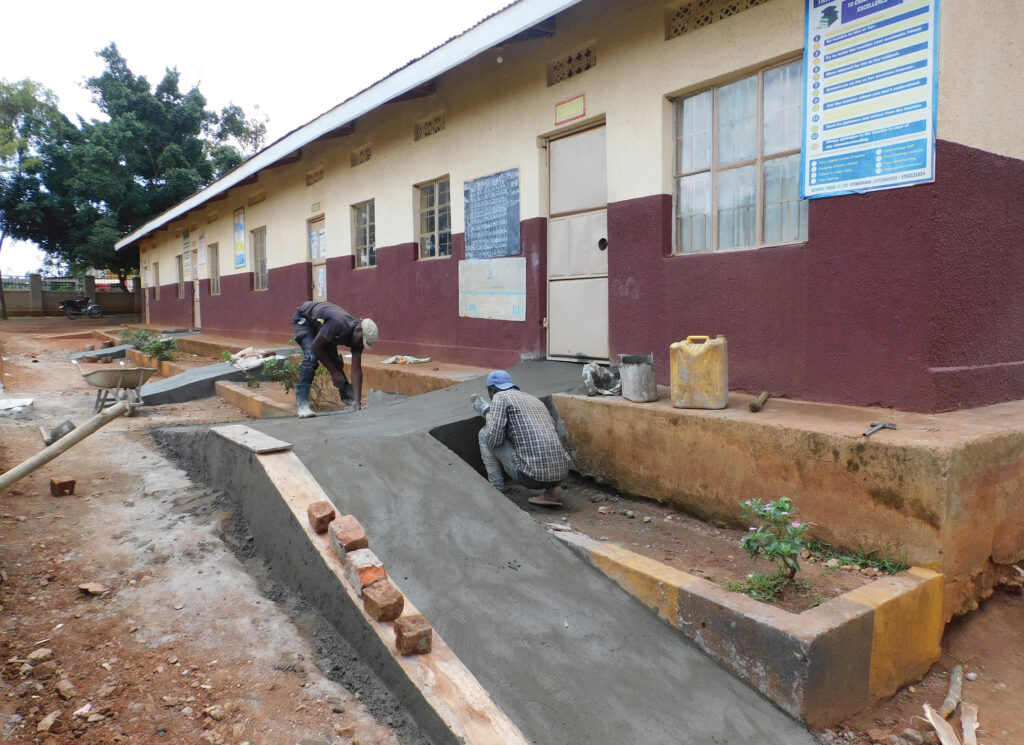
Ramps being added to schools as part of the Disability Inclusion Project in Uganda, 2024
Examples from IN’s programmes illustrate the transformative potential of inclusive and context responsive approaches.
In Uganda, the Disability Inclusion Project has significantly expanded educational access for children with disabilities. Up to 2,500 children have been enrolled with targeted support, while families have benefited from income generation initiatives designed to reduce financial pressures that often hinder school attendance.
By addressing both educational and economic barriers, the programme shows how disability inclusion can strengthen children’s opportunities while enhancing family resilience and wellbeing.
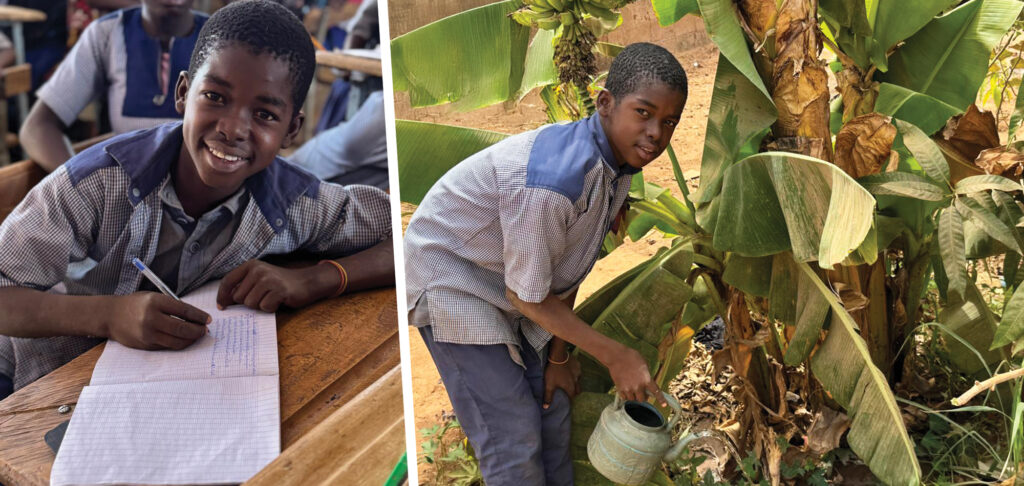
Noufou, a displaced student, continues his studies in peace thanks to help through the Trauma Counselling Programme run by International Needs Burkina Faso (2026)
Similarly, in conflict affected regions, the stabilising power of education becomes especially clear. In Burkina Faso, La Bonne Nouvelle School has welcomed more than 400 internally displaced children. The school offers not only safe and structured learning but also integrated trauma counselling.
This combination of education and psychosocial support highlights the essential role schools play in fostering stability, restoring hope, and supporting recovery for children living through conflict.
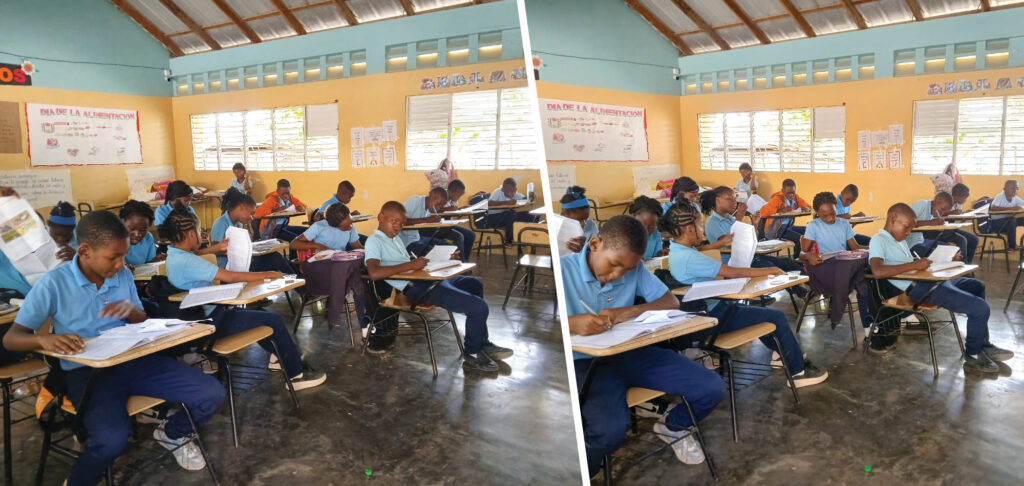
Students studying at the Juan Calvino School in Dominican Republic, 2026
Recognising and responding to these contextual differences is essential for building a teaching workforce capable of delivering inclusive, high quality education everywhere.
Empowered teachers, supported within their own local realities, are central to helping children flourish and ensuring no one is left behind as the world approaches 2030.

Written by Dr Elizabeth King
Dr Elizabeth King serves on the IN Board of Trustees and is an Honorary Fellow of the University of Melbourne. An educator, researcher, and former missionary, she has extensive experience working in the UK, Australia, and Southeast Asia. Her academic work focuses on education in the Global South, particularly in teacher education, policy implementation, and the interplay between culture and schooling in developing contexts.
References:
UNESCO, Global Education Monitoring Report (2024/25): Leadership in Education
UNESCO, World Education Statistics (2025)