Burkina Faso Appeal
Trauma Care in Burkina Faso
£24.95 will fund sessions with a counsellor for one child for a month
£23,675 🎉
Target: £23,567
This project was completed in October 2023
Thank you to ...
David who donated
£2000Frank who donated
£100Michael who donated
£30We made it!
This appeal was fully funded and received £23,675! This is even more than the targeted £23,567! Thank you to everyone who donated and contributed their efforts to support this cause.
Since 2015, terrorist attacks and civil unrest in Burkina Faso has displaced nearly 2 million people from their homes – more than half of them children. The government report that up to 40% of the country is currently under the control of extremist organisations. IN Burkina Faso is doing its best to welcome these families and to help them settle into the relative safety of Bobo-Dioulasso, but the atrocities that have been witnessed cannot be unseen or unheard.
Children have seen their homes, schools and crops burnt down. They may have experienced extreme violence firsthand, or be unsure how to express the grief of having family members killed or injured in the conflict.
With your support and at the request of the local Mayor, IN Burkina Faso has been able to welcome an additional 252 children through the construction of four new classrooms at La Bonne Nouvelle school. But with so many of these young people showing signs of trauma, the IN team need extra help to ensure that these mental and emotional health needs can be met with professional, culturally- and age-sensitive care.
Can you help provide trauma care to these young survivors of conflict?
project overview
Our impact
Trauma care for Refugee Children
With your support and at the request of the local Mayor, IN Burkina Faso has been able to welcome an additional 200+ internally-displaced children through the construction of four new classrooms at La Bonne Nouvelle school. But with so many of these young people showing signs of trauma because of their exposure to armed conflict, the IN team need extra help to ensure that these mental and emotional health needs can be met with professional, culturally- and age-sensitive care.
The appeal launched in February has provided compassionate and age-appropriate trauma counselling for the most severely-affected students. The child-friendly counselling sessions are a mixture of group work – exploring subjects such as fear, stress and trauma – and individual consultations with the counsellor who listens to each child’s story and begins to equip them with relevant coping mechanisms.
We now need to increase the support we provide through targeted therapeutic activities. These have been carefully designed to develop useful life skills and also connect students positively with their rural roots. This includes after-school clubs focusing on gardening and carpentry; activities they will be familiar with from their home villages, providing a sense of continuity and stability.
£23,567
These are the funds we need to to provide trauma care
February
This is when the counselling was able to begin
260
This is the number of traumatised children we can support
the difference international needs uk can make
We can provide trauma care for children fleeing from terror.

Help 260 displaced children from conflict-hit areas receive trauma care

Provide trauma care for displaced children

stories
Bassirou and Abdul were making good progress in Grade 2 in school in a rural area of Titao Province in Burkina Faso when their village was attacked.
Armed groups burned their father’s productive farming land and the small hut they lived in together. They lost almost all their possessions.
The children’s parents were undressed as the militants drove them out of the village forcibly. The family walked nearly 200 kilometres (120 miles) together on foot to find a place of safety and refuge.
Fortunately, the children’s father was in touch with his brother in Bobo-Dioulasso who offered the family his home to live in. Bassirou and Abdul’s uncle enrolled them in La Bonne Nouvelle School where they are now able to continue their studies, supported by the caring International Needs team.
But they cannot un-see, un-hear or un-feel all that they witnessed firsthand during that assault on their village, on their family home – their safe place. Like hundreds of other refugee children, they need skilled counselling to help them come to terms with what has happened, and to help manage their mental health as they deal with flashbacks, terrifying memories and the resultant post-traumatic stress disorder.
project updates
July 9th, 2026
Healing Invisible Wounds: Trauma Care in Burkina Faso
Burkina Faso has been facing one of the most severe security crises in its recent history, triggering massive internal displacement. Families left behind homes and sometimes even loved ones, witnesses to violence no human being should ever endure. Hundreds of thousands of children have been deprived of education, stability, hope and time for healing.
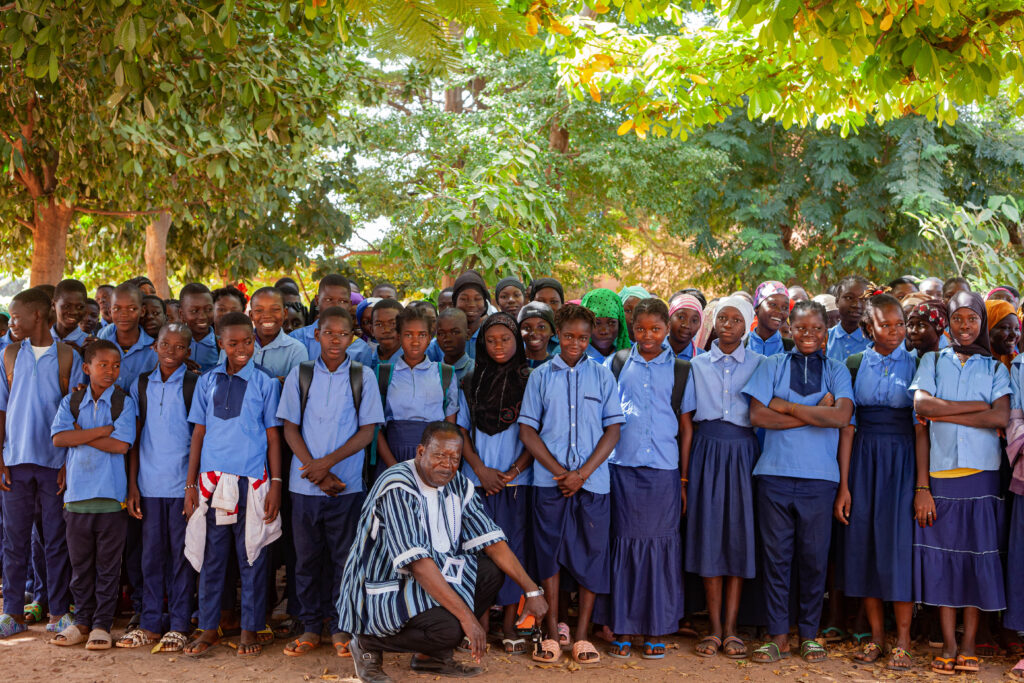
Students at La Bonne Nouvelle School standing with Executive Director of International Needs Burkina Faso – Jean Koné
When our IN school, La Bonne Nouvelle, welcomed internally displaced children, we quickly realised that providing access to a classroom was not enough. Some children would jump at the slightest noise. Others withdrew into silence, unable to focus, and many suffered from recurring nightmares. The trauma was visible.
We could not simply expect them to learn. This realisation led to the creation of our Trauma Counselling Programme. Trained psychologists and pastors conduct regular counselling sessions in a safe and supportive environment. For many children, it is the first time they can express their painful memories openly.
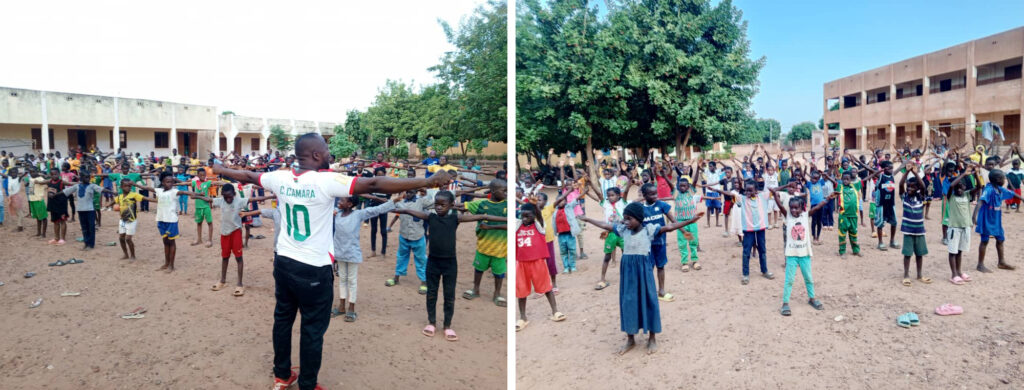
Health and wellness outreach – hygiene and fitness promotion, led by the sponsorship coordinator
Since its launch in 2022, the programme has supported 252 children in its first year alone and more than 400 displaced students overall. Some children have even returned to their villages strengthened by renewed inner healing and resilience. Others continue their education peacefully and with ambition.
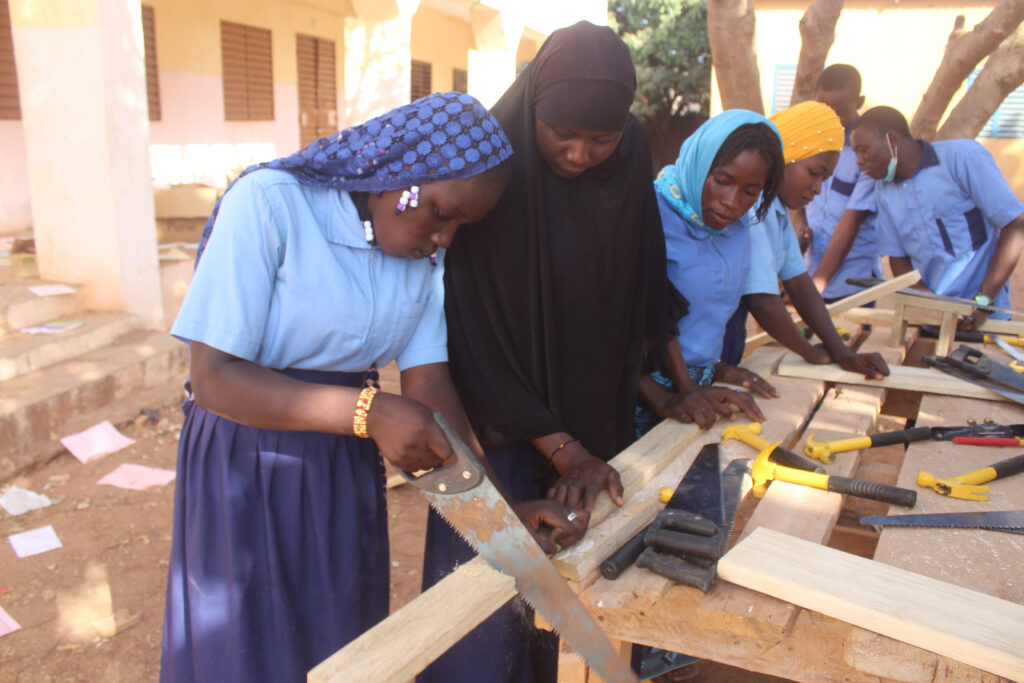
A displaced person takes notes during the trauma care session (left) and displaced children pictured gardening together (right)
Recognising the economic vulnerability of displaced families, we also introduced urban gardening and carpentry training. Since most parents previously depended on agriculture, these initiatives help them build small income-generating activities and regain autonomy.
A healed child can dream again, and a child who dreams can help rebuild a nation.
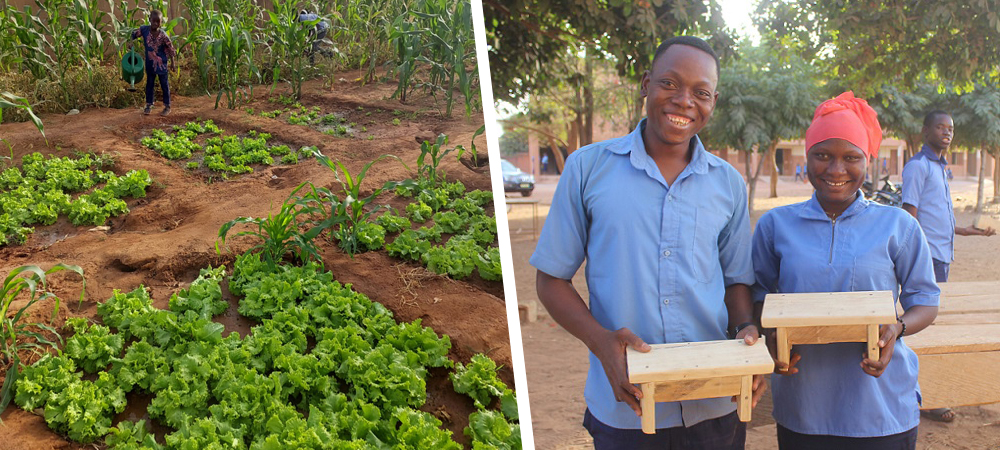
A section of the garden used for trauma care therapy (left) and two happy students with the stools they made! (right)
Healing invisible wounds: Noufou’s Journey Back to Peace
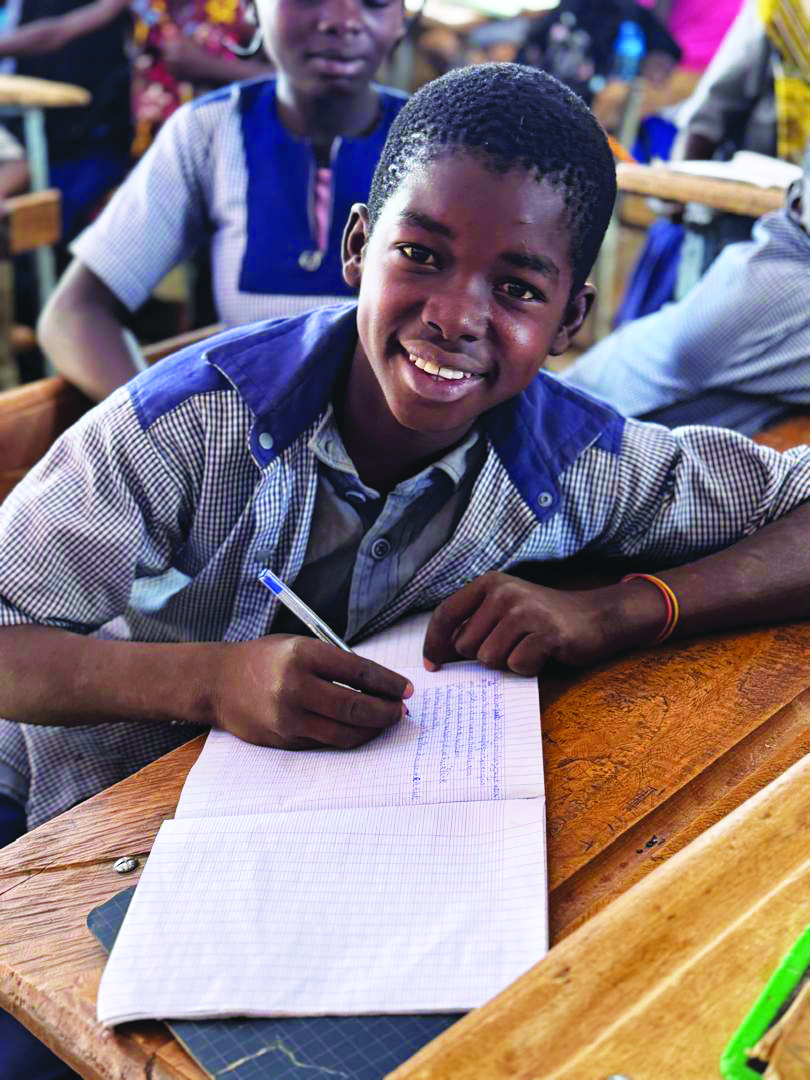
Noufou arrived at our school, eight years old, having escaped his hometown after he heard armed attacks. Like it was yesterday, he remembers the sound of gunfire.
Even after finding safety in Bobo-Dioulasso, sudden sounds still made him jump. He struggled to focus because his thoughts constantly returned to what he had experienced. Noufou was a deeply traumatised child.
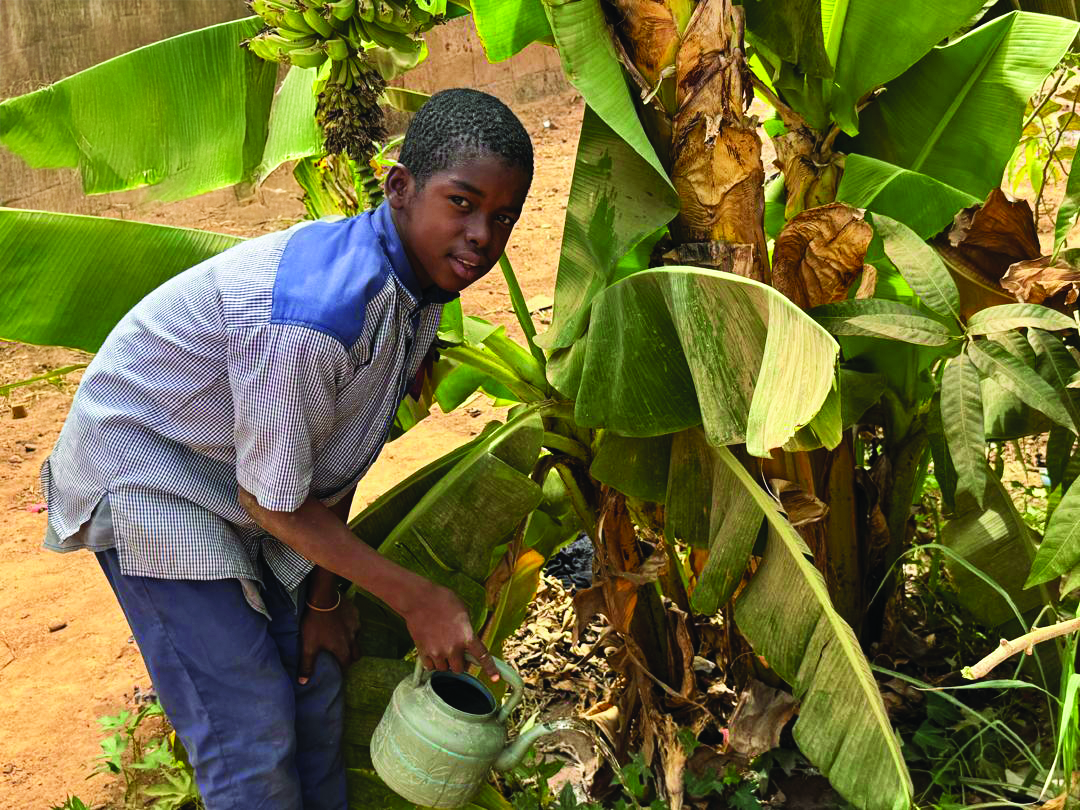
Through the school’s Trauma Counselling Programme, a psychologist began holding regular sessions and, for the first time, Noufou was encouraged to speak about his fears. As part of the programme, Noufou was also taught gardening.
Together with his mother, he planted banana trees and sweet potatoes at home. Noufou is now proud to assist his family, and proud to have regained inner peace.
Online Event: Pink October in Burkina Faso
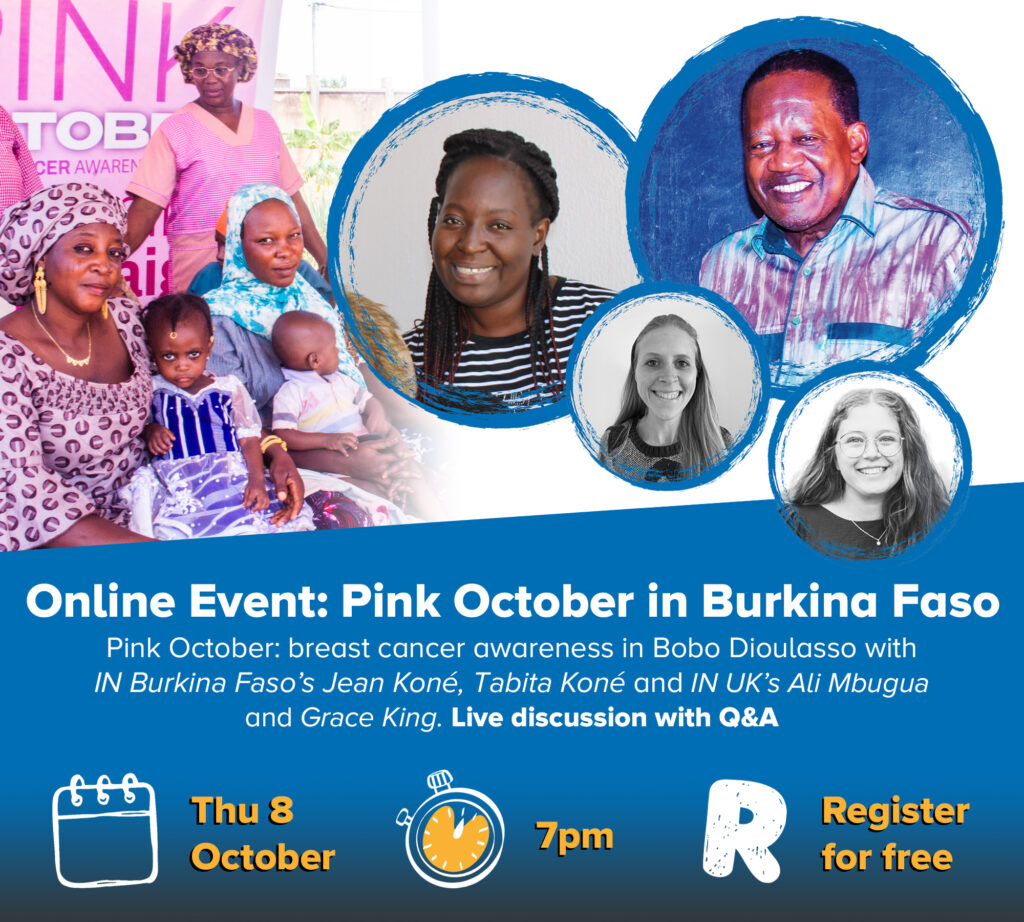
Join us on Thursday 8 October at 7pm.
Our team in Bobo-Dioulasso continue to make strides in improving the medical access for their community. They will be sharing about their 3rd annual ‘Pink October’ campaign to raise awareness and screen for breast and cervical cancer in their community.
Sign up here and we will send you the meeting details before the event…

Written by Tabita Kone, Project Coordinator, IN Burkina Faso
Follow us on Instagram to read more positive transformation stories at @ineedsuk
February 12th, 2026
Health and Hope at St Ophel Medical Centre
From October to December 2025, St Ophel medical centre continued to be a place of protection, early detection and life saving care for hundreds of families. From cancer screenings to safe deliveries, from malaria prevention to daily consultations, your support has helped strengthen community health and protect some of the most vulnerable women and children.
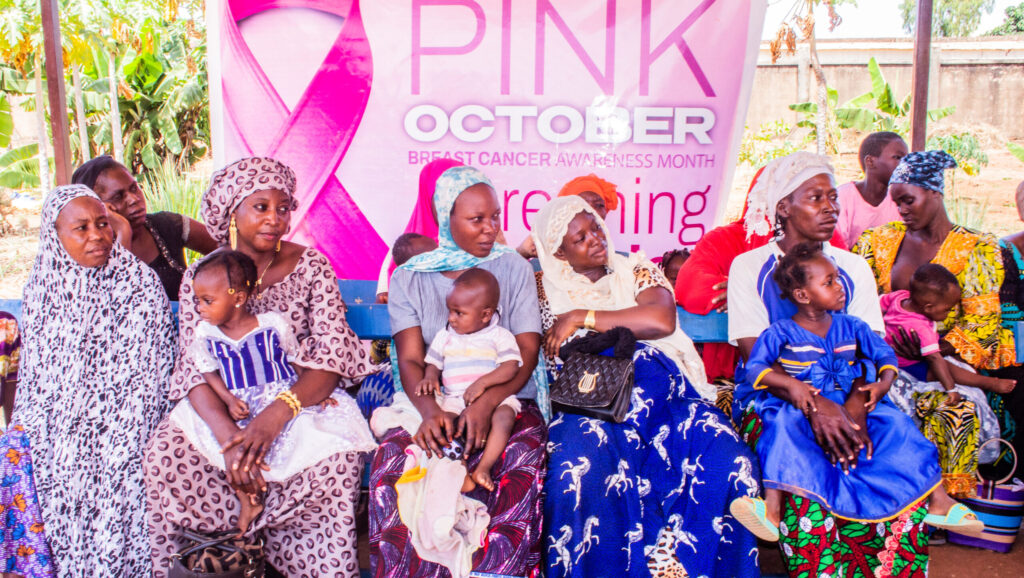
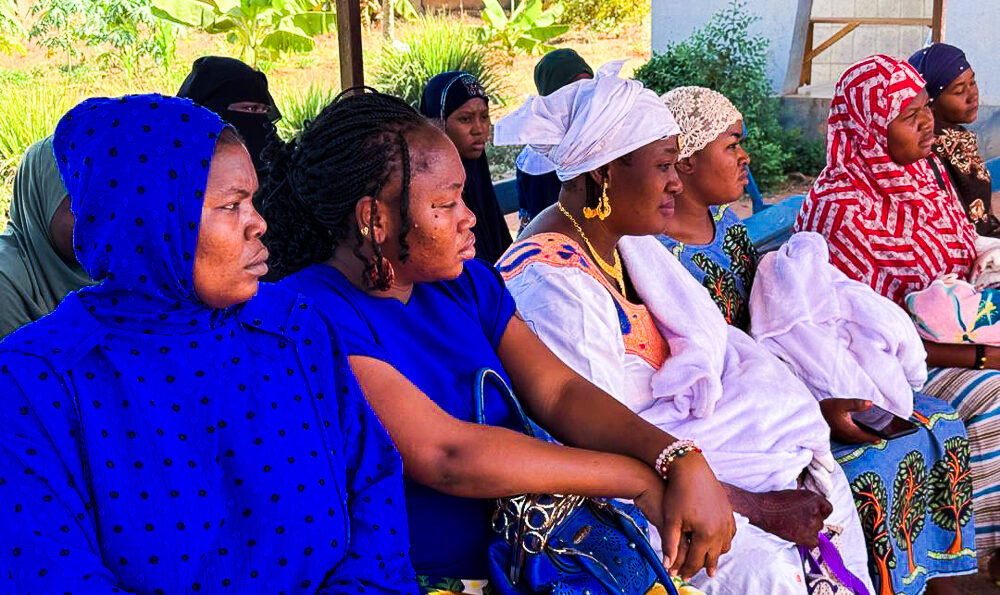
A group photo of participants (mothers and their children) waiting to be seen during the Pink October campaign
Pink October: Early detection saves lives
During October, St Ophel medical centre led a three day ‘Pink October’ campaign focused on breast and cervical cancer screening:
- 780 women and adolescent girls received awareness teaching
- 461 women and girls were screened
- Several suspected cases were identified early and referred for care
Many of the women who attended had never heard about cervical cancer before. Through group discussions and one to one conversations, midwives explained symptoms, prevention and the importance of regular check ups.
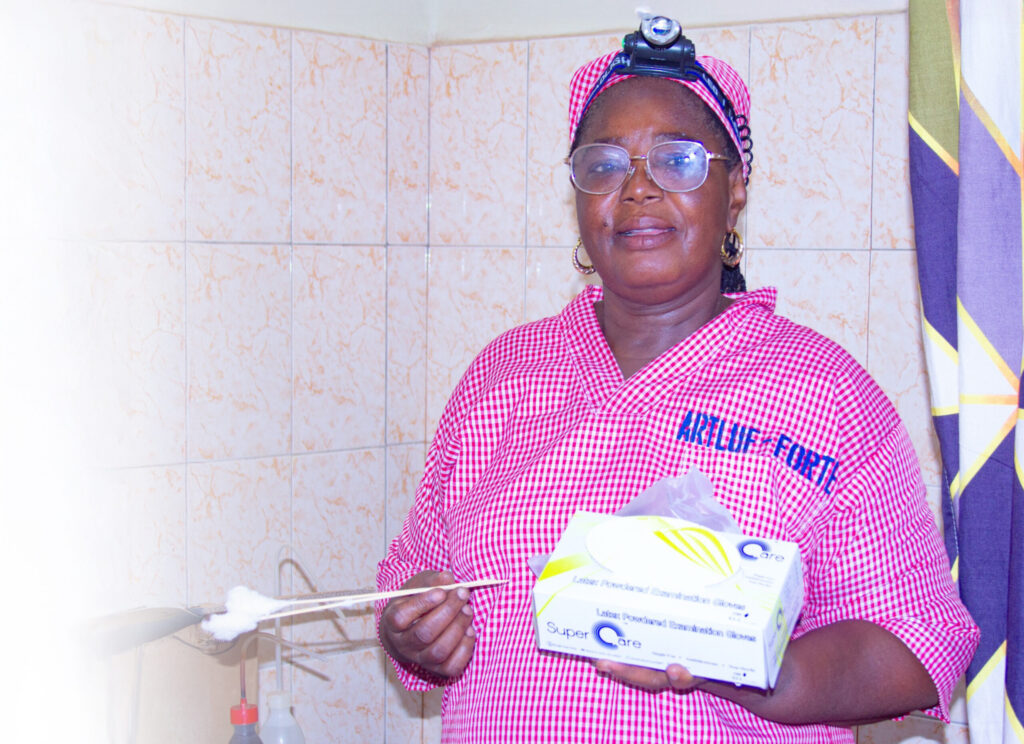
Mrs Sanou, Team Leader at St Ophel Medical Centre
Voices from the Heart of the Health Centre
Mrs Sanou (pictured above and below), a midwife who has served at Ophel for ten years, shared:
“I am the team leader who coordinated the 2025 Pink October campaign at the Ophel Health Centre. Over these three days, we witnessed firsthand how meaningful and transformative this activity was for the women and young girls in our community.
From the very first day, the turnout exceeded our expectations. We were able to screen many women and, more importantly, inform and reassure many others who previously had no knowledge of the symptoms or means of prevention. Some cases tested positive, but because of early detection, we were able to take the necessary steps immediately.
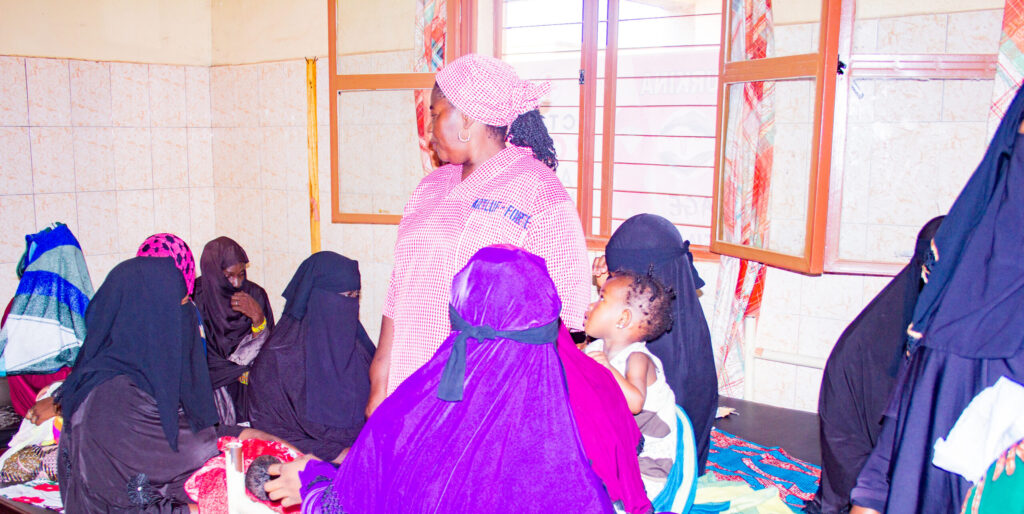
Mrs Sanou with participants of the Pink October campaign
What moved me the most was the eagerness to learn and the trust the women placed in us. We also saw remarkable engagement from the high school girls. They asked insightful questions and showed a genuine desire to share what they learned with others.
For us, as healthcare workers, this experience was one of humanity, connection, and purpose shared with our community. We sincerely thank our partners and donors for their invaluable support.”
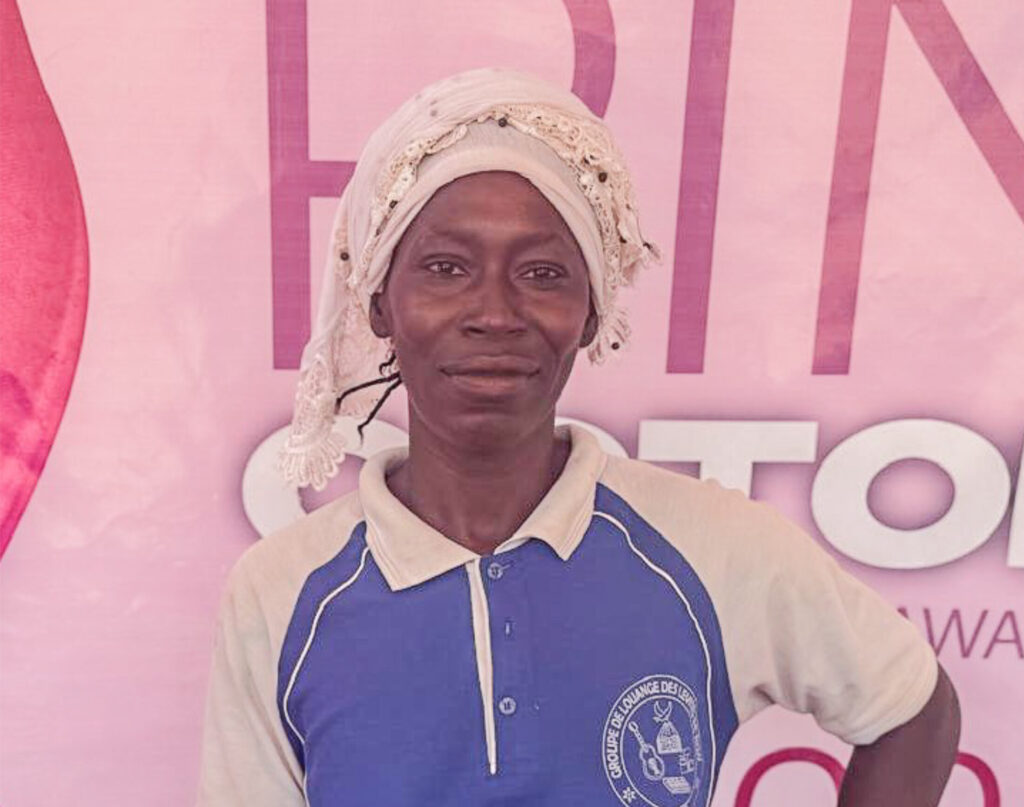
Adjara Wonogo
Adjara Wonogo (pictured above), attended out of curiosity after hearing the town crier’s announcement. She said:
“Before this campaign, I knew nothing about cervical cancer or the importance of screening. When the town crier came through our area to announce the activity, I decided to attend, simply out of curiosity.
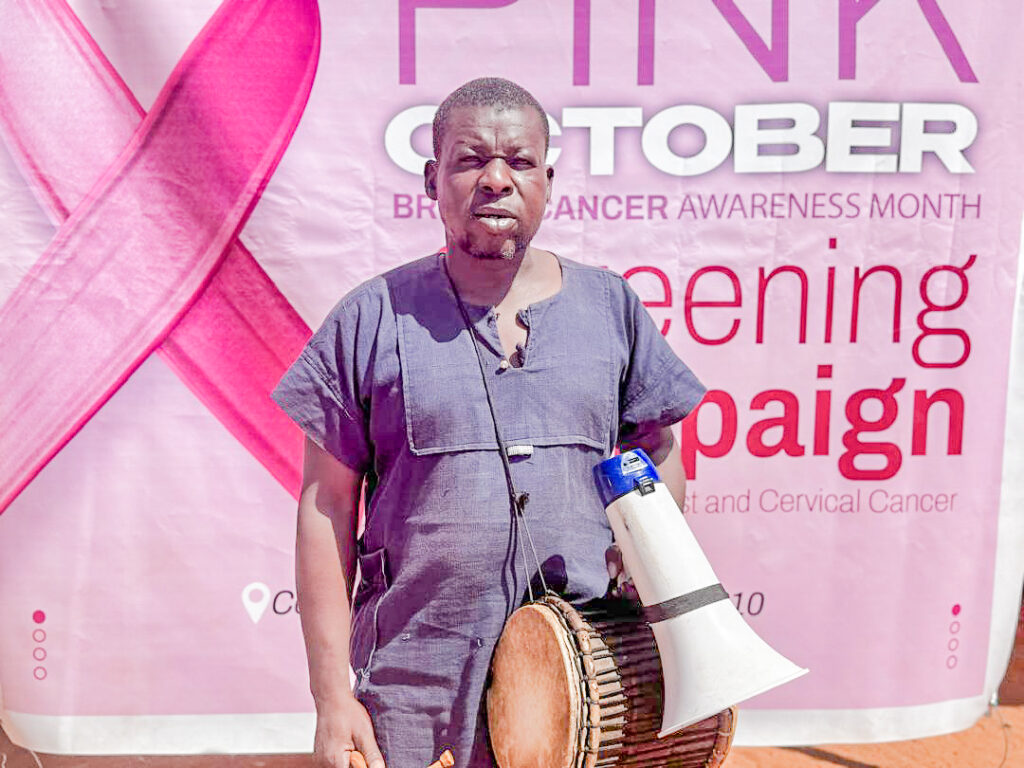
The griot who passed on the information for ‘Pink October’. A griot is a West African historian, storyteller, praise singer, poet, and/or musician.
During the awareness session, the midwives explained, in simple and clear words, how to prevent this disease. I realised how important it is to get screened, not only for myself but also for the sake of my children.
I am now determined to talk to other women around me and encourage them to get screened as well. I am grateful to the health centre.”
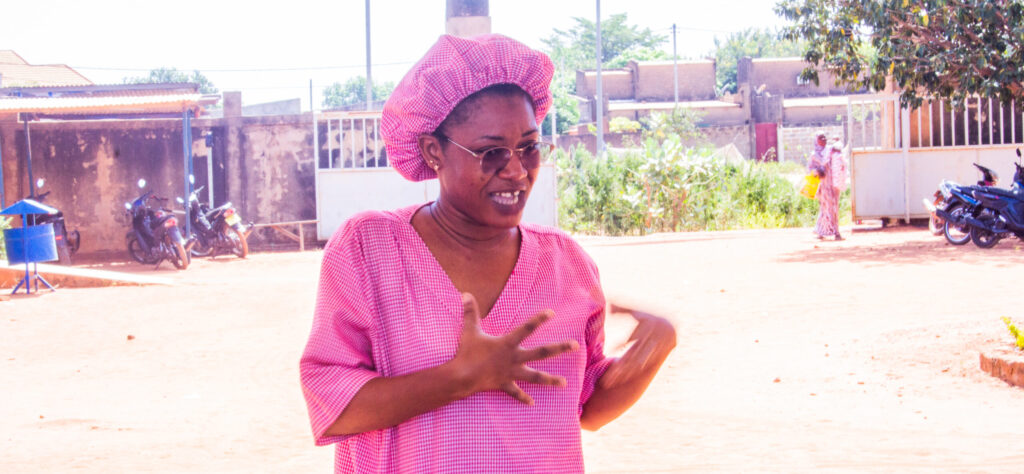
One of the midwives giving advice to women
Early detection truly saves lives. And this campaign shows how much the community appreciates health knowledge and access to care.
Protecting Mothers and Babies from Malaria
At Christmas, St Ophel distributed insecticide treated mosquito nets to pregnant and breastfeeding women. For these families, this gift brings much needed protection.
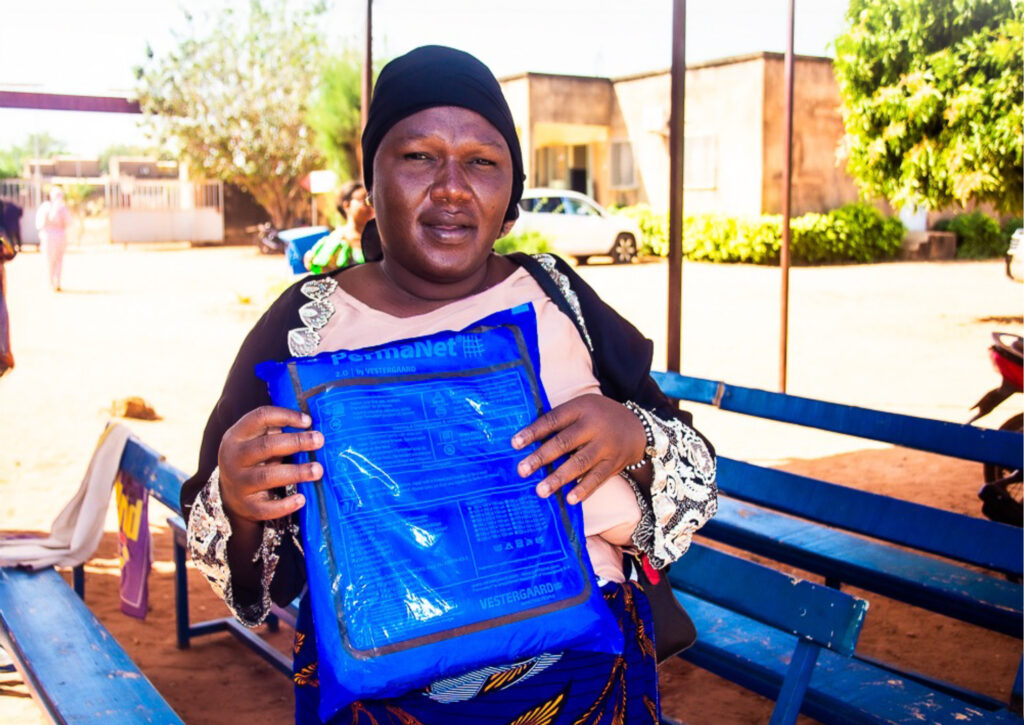
Amina holding her mosquito net
Amina (pictured above) nine months pregnant and living near the quarry where mosquitoes are everywhere, told us:
“Since receiving the mosquito net, my nights are much calmer. I feel protected and reassured. I can now focus on my health and that of my baby.”
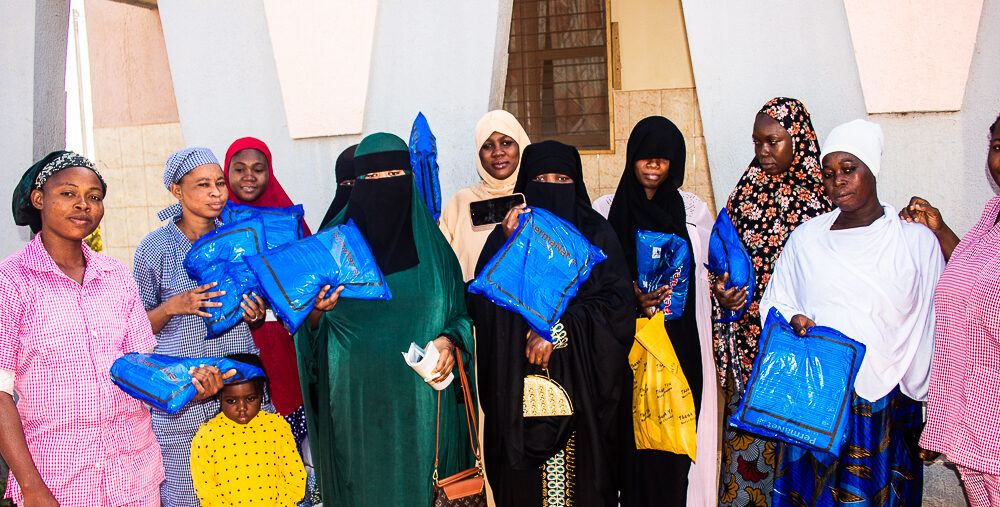
A group of women hold up their mosquito nets
Alongside the distribution, staff provided practical teaching on how to use and care for the nets properly. This will help to reduce malaria risk among mothers and infants.
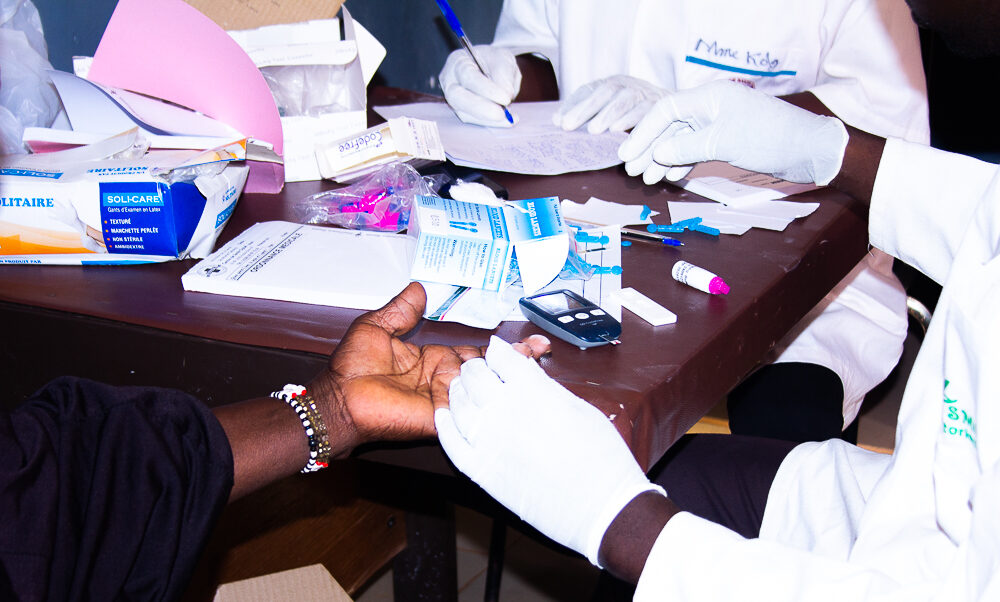
The nurse taking samples for the diabetes and hepatitis B tests
Screening for Diabetes and Hepatitis B
Non communicable diseases are a growing concern in the community. This quarter:
- Around 300 people received awareness teaching on diabetes and hepatitis B
- 137 people were screened
- Suspected cases were referred for follow up care
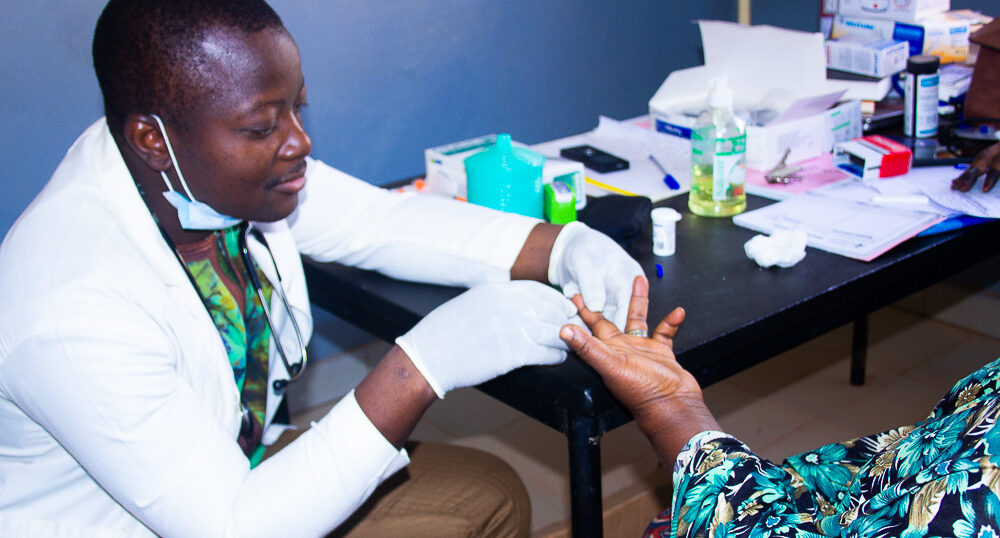
A doctor performs further tests on a patient
Early identification reduces long term complications and helps people take control of their health before problems become severe.
A Safe and Dignified Health Environment
Beyond campaigns, St Ophel’s maternity unit and clinic continued their daily essential services. Women received antenatal and postnatal care, assisted deliveries, newborn support and preventive health services. The dispensary treated common illnesses, carried out laboratory tests and referred complex cases when needed.
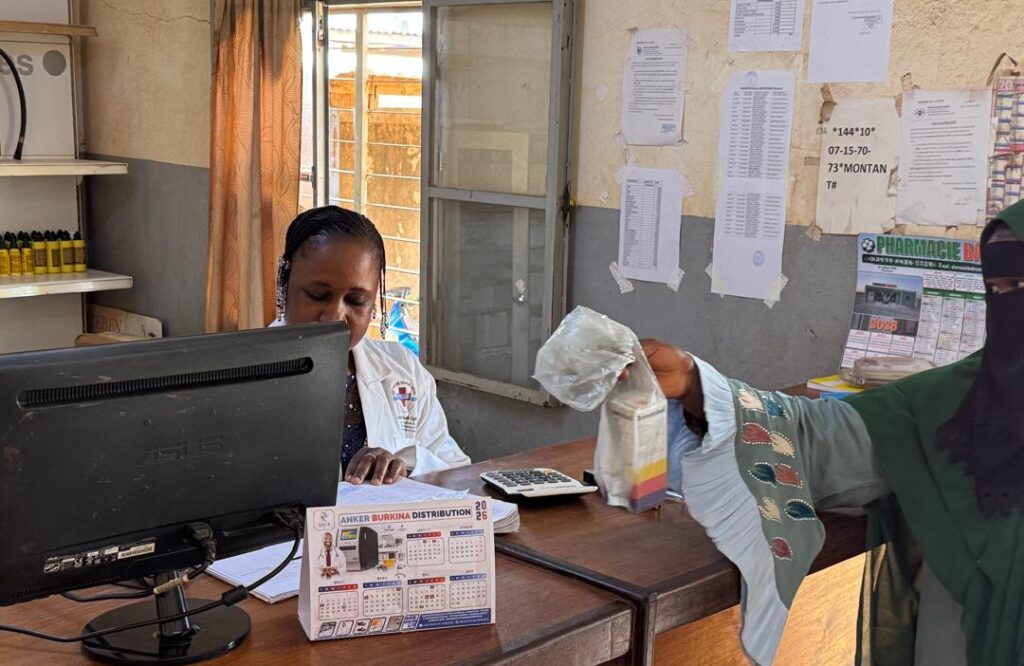
A customer receiving products at the pharmacy
This quarter also included strengthened medical waste management to ensure used syringes and biomedical waste are collected and disposed of safely. This protects patients, staff, and the environment. Healthcare must be safe in every sense, including hygiene and environmental protection.
Women listening to the awareness session on mosquito nets and how to look after them
Challenges
The biggest challenge this quarter was the pressure on staff and medical supplies. The Pink October campaign saw far higher attendance than expected. While this is encouraging, it did place additional strain on staff during a busy period.
To help with this:
- Staff roles were reorganised to manage flow and prioritise pregnant women and the elderly
- Group awareness sessions reduced waiting times
- Stock management systems were strengthened to prevent shortages
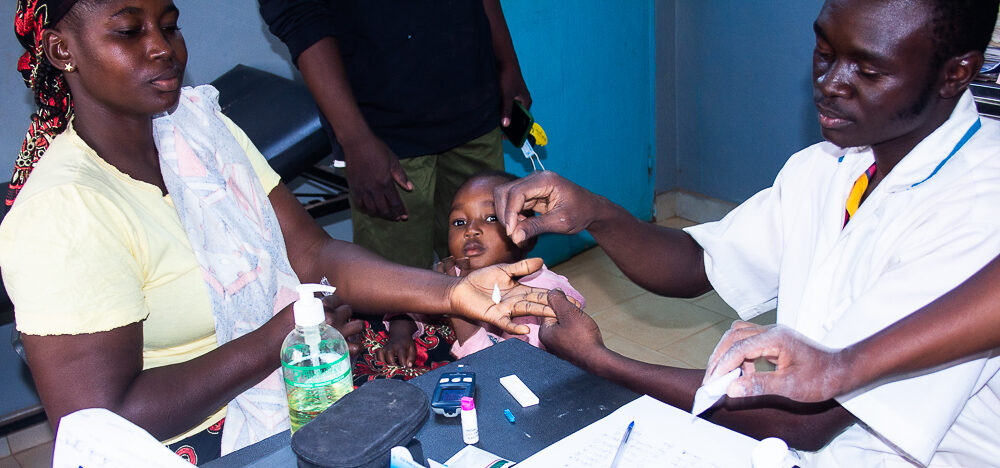
Diabetes and hepatitis B checks on a patient
Protecting Dignity and Inclusion
All activities were carried out with:
- Equal access to care regardless of background
- Respect for confidentiality and informed consent
- Inclusion of people living with disabilities
- Safe, child friendly services
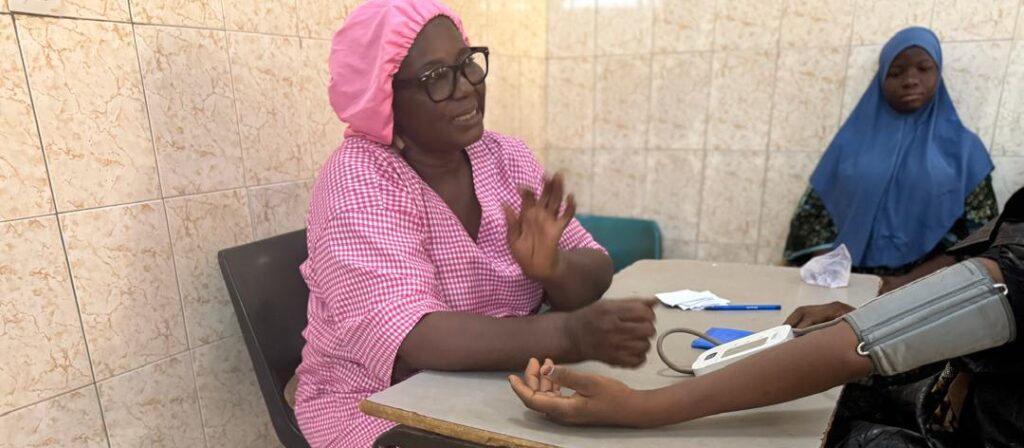
Prenatal consultation at the maternity ward
Thank you for your support to International Needs, and for standing with St Ophel Medical Centre. Because of your support, women are being screened early. Mothers are sleeping safely under mosquito nets. Babies are being delivered in skilled hands. Families are receiving care they can trust.
You are helping to protect life: one woman, one child, one family at a time.
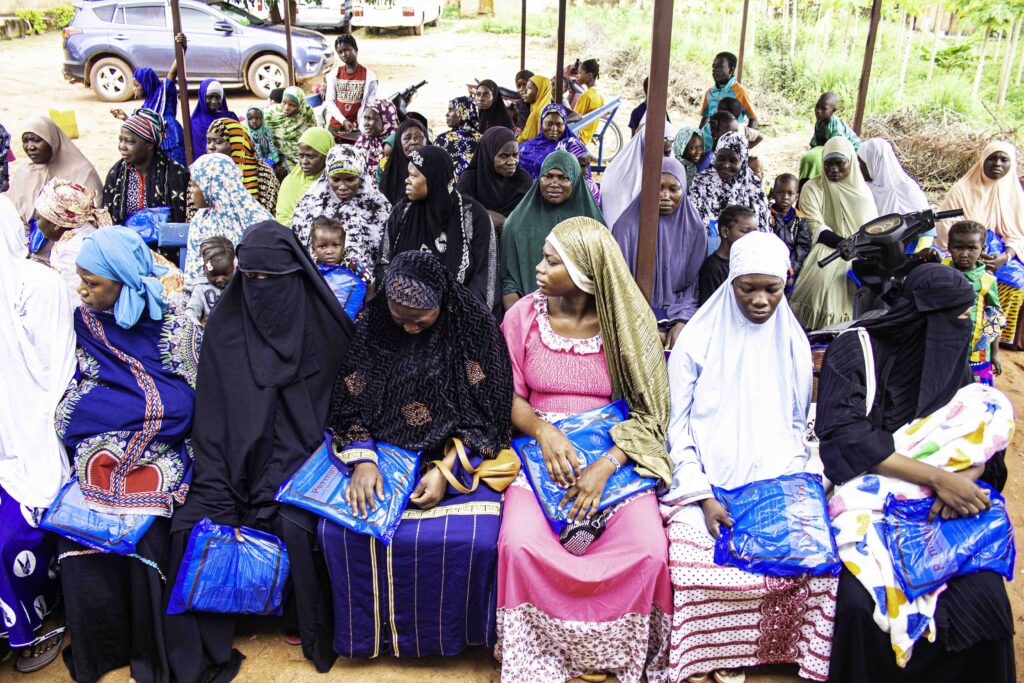
The first group of women to receive the mosquito nets
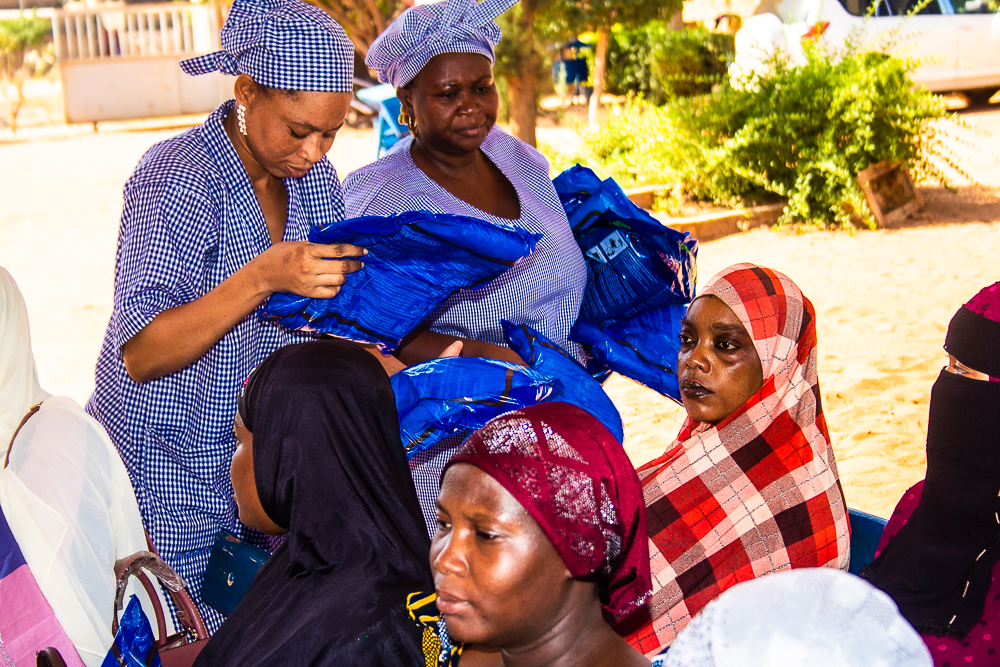
Women receiving their mosquito nets
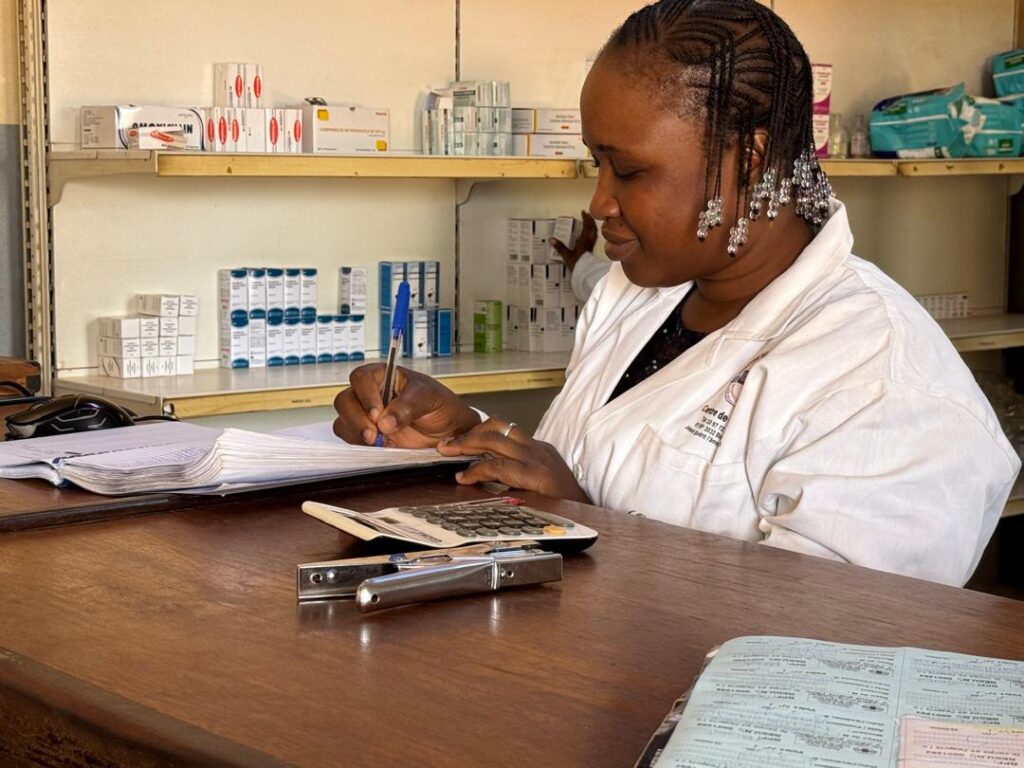
Daily tasks at the pharmacy
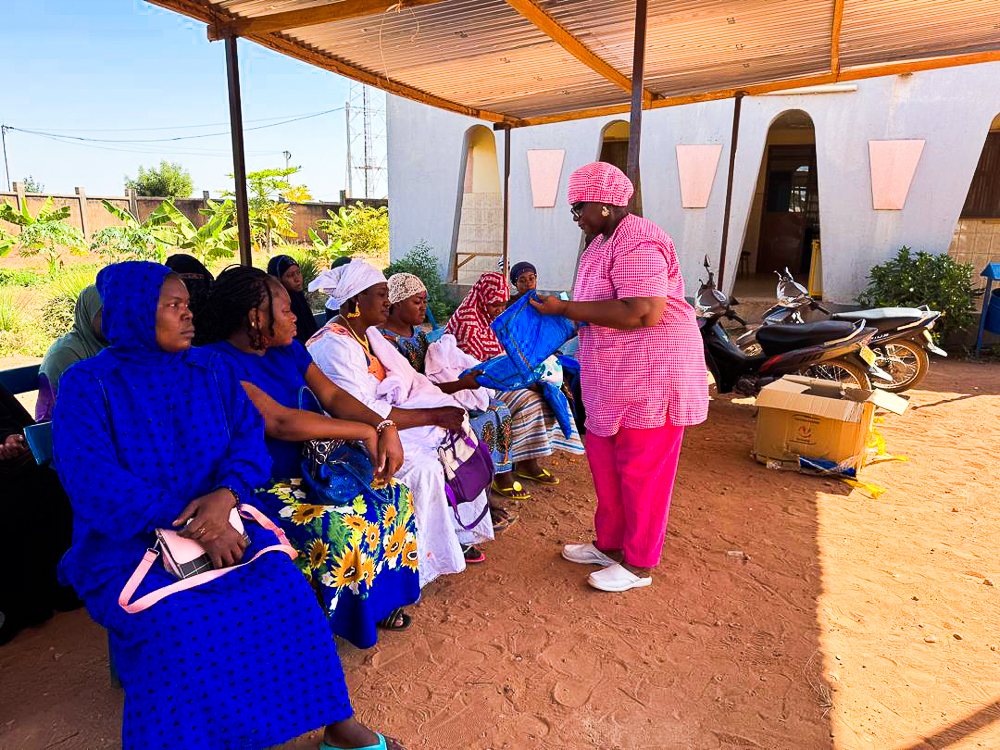
Mosquito net distribution
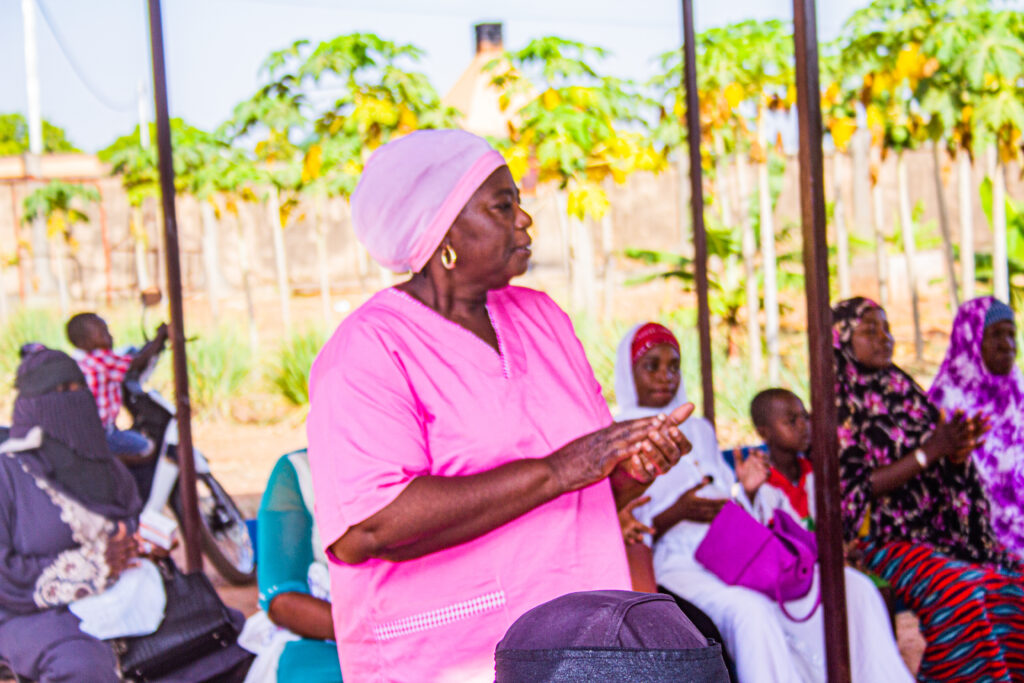
The midwife explaining breast cancer to women
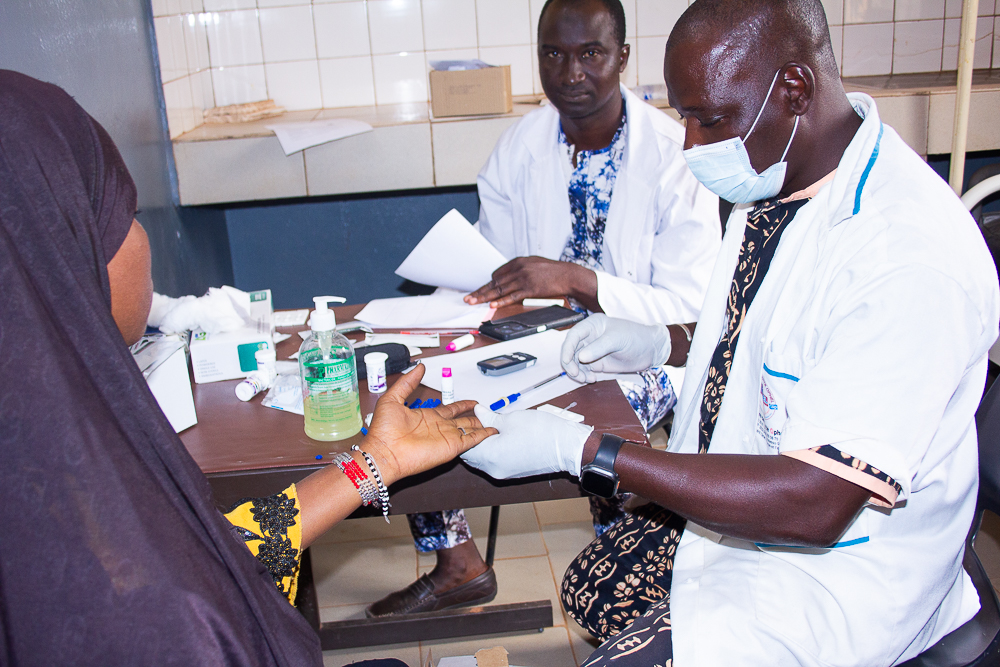
Screenings for diabetes and hepatitis b

Written by Zoë Atherton, Communications Officer at International Needs UK
May 19th, 2023
Counselling and therapeutic after-school clubs needed to help child survivors of terrorism
An appeal launched earlier this year has provided compassionate and age-approproate trauma counselling – both psychological and, where appropriate, spiritual – for the most severely-affected students in Bobo-Dioulasso. The child-friendly counselling sessions are a mixture of group work – exploring subjects such as fear, stress and trauma – along with individual consultations with the counsellor who listens to each child’s story and begins to equip them with relevant coping mechanisms.
We now need to increase the support we provide through targeted therapeutic activities. These have been carefully designed to develop useful life skills and also connect students positively with their rural roots. This includes after-school clubs focusing on gardening and carpentry; activities they will be familiar with from their home villages, providing a sense of continuity and stability.
Please can you help?
£24.95 pays for vital trauma counselling and spiritual care for one child
£129 can buy a bench and desk set to help furnish the counselling room
£266 would cover the salary of the gardening trainer for three months
£399 ensures that the carpentry trainer’s costs are covered for three months
£2,096 provides for training materials for 50 children for a whole year
£3,000 would be sufficient for all the equipment required for carpentry training
February 01st 2023