IN Global Appeal
Invision: Invest in the Next Generation
Making education accessible to those who need it most
Invest in the Next Generation
We represent a global community of young learners who are working incredibly hard to learn, grow and develop. Education is a gateway to stronger employment opportunities, greater capacity for self-support, community development, and so much more.
Every child deserves the chance to learn, dream and be hopeful for the future. Providing access to quality education remains a critical part of how our partners empower communities around the world.
While progress is being made, too many children are still missing out. With your help, we can change that.
Thank you for every gift and every prayer. Together, we can make education accessible to families that need it most.
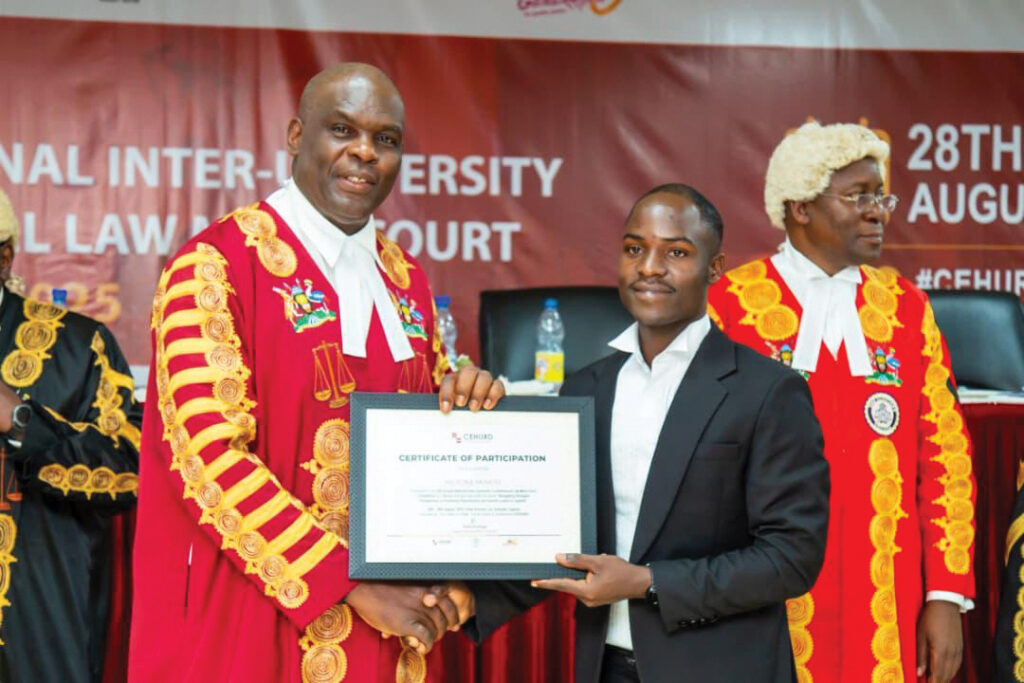
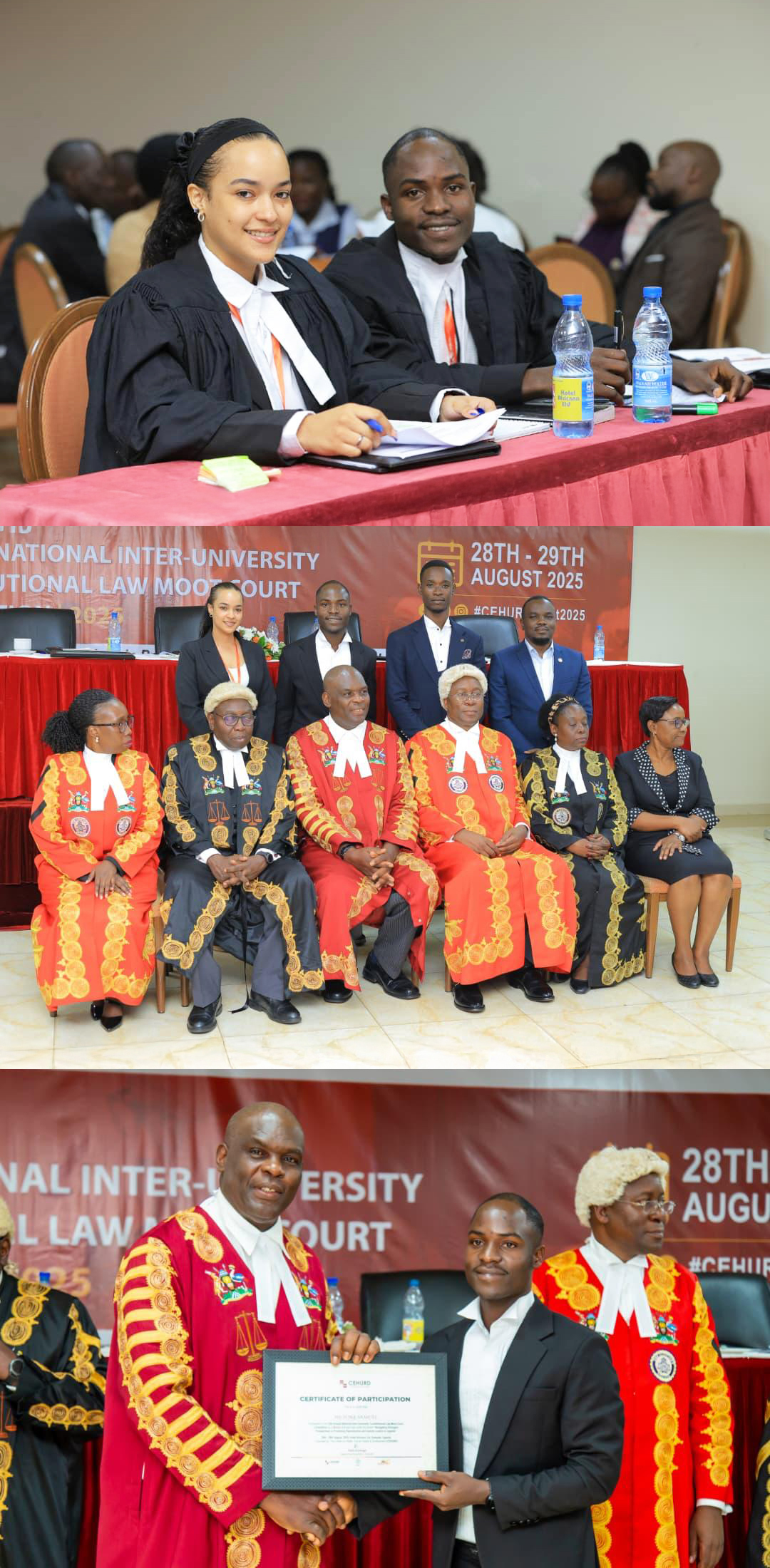
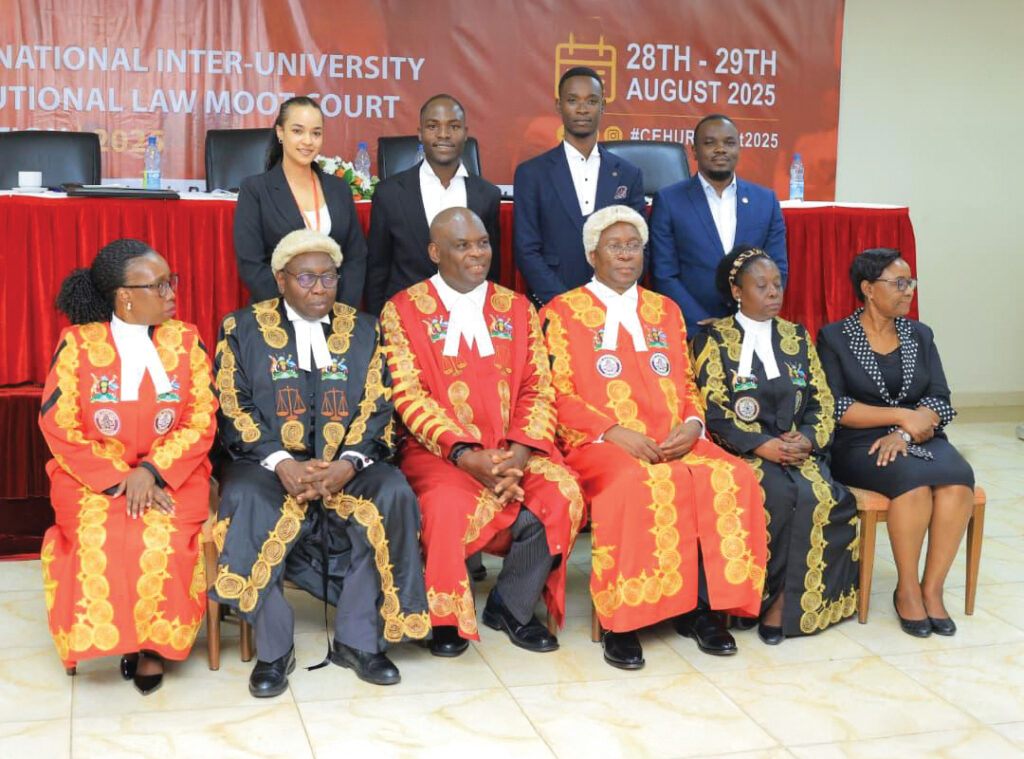
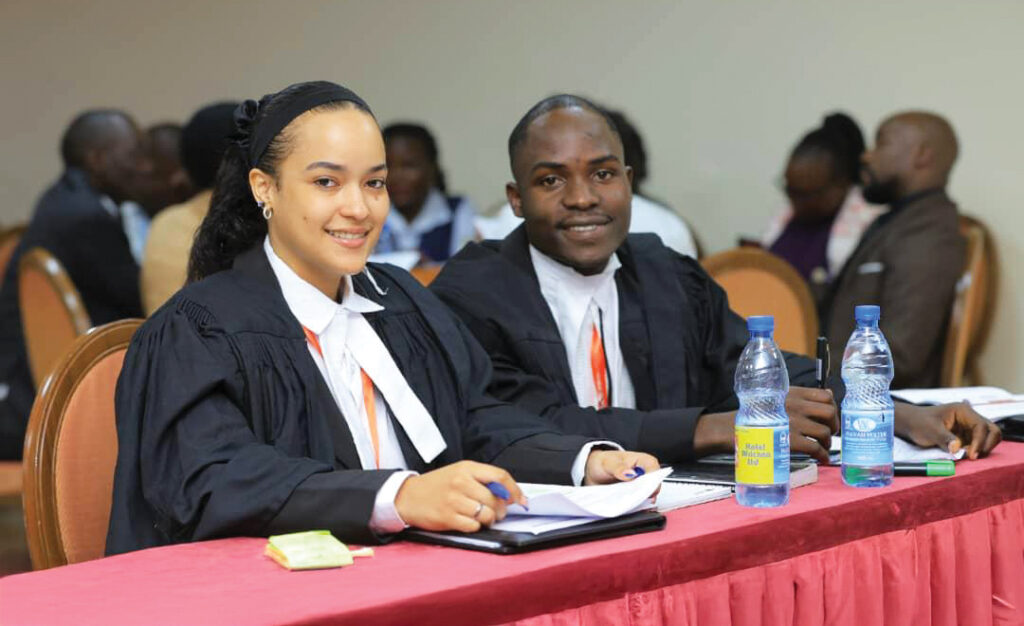
Samuel (pictured), a sponsored child who is now attending university, is now in his final term of a bachelor’s degree in law.
project overview
Our impact
Investing in the Next Generation
Since the beginning, we at International Needs believe that education changes lives. We're proud to work with our partners around the world to make that a reality in the communities that need it most.
“Supporting Samuel at this crucial stage will ensure that his years of effort are not lost and will empower him to graduate and contribute meaningfully to society.”
– Ivan Muzanganda, IN Uganda
the difference international needs uk can make
Can you help us?
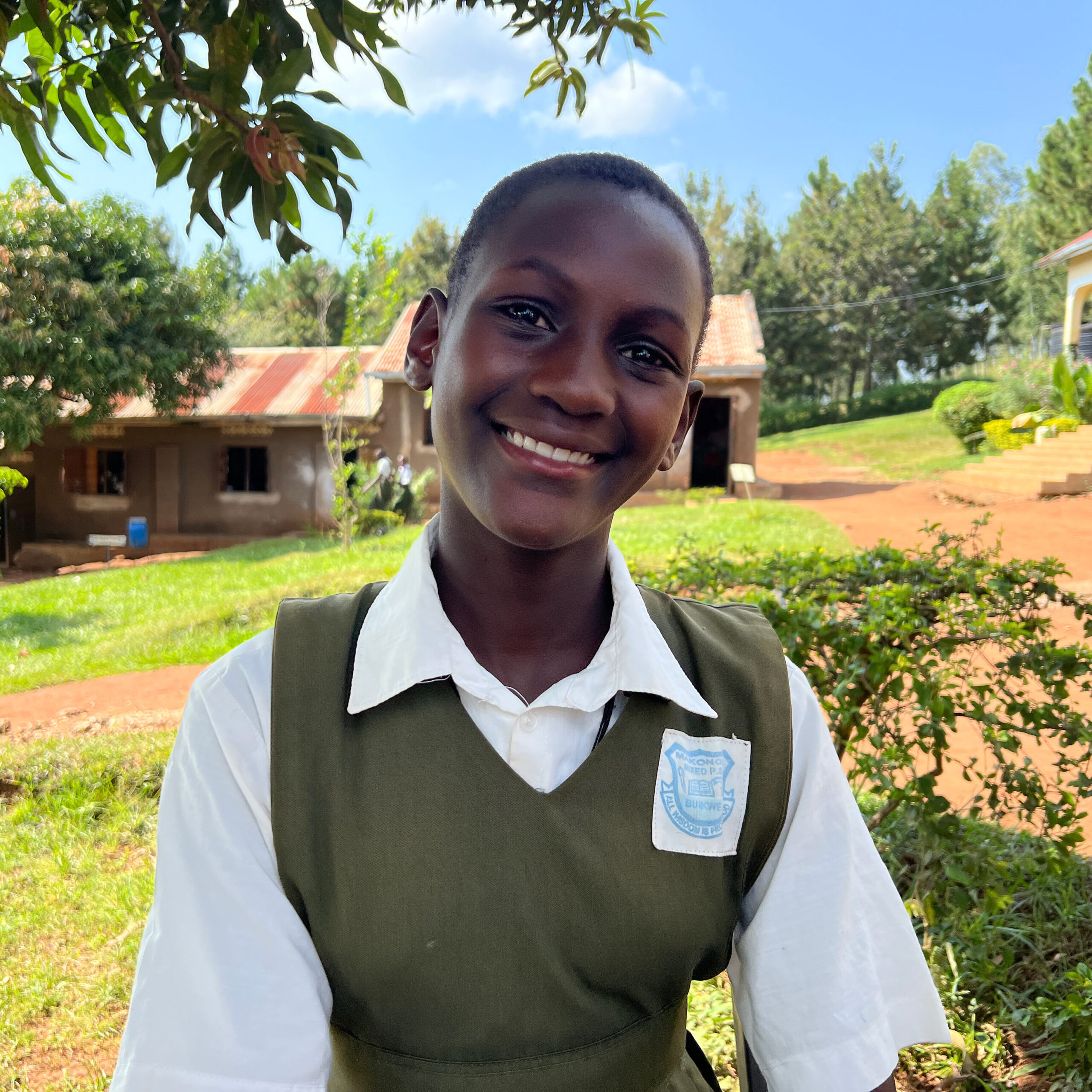
£25 per month helps a child go to school through Child Sponsorship
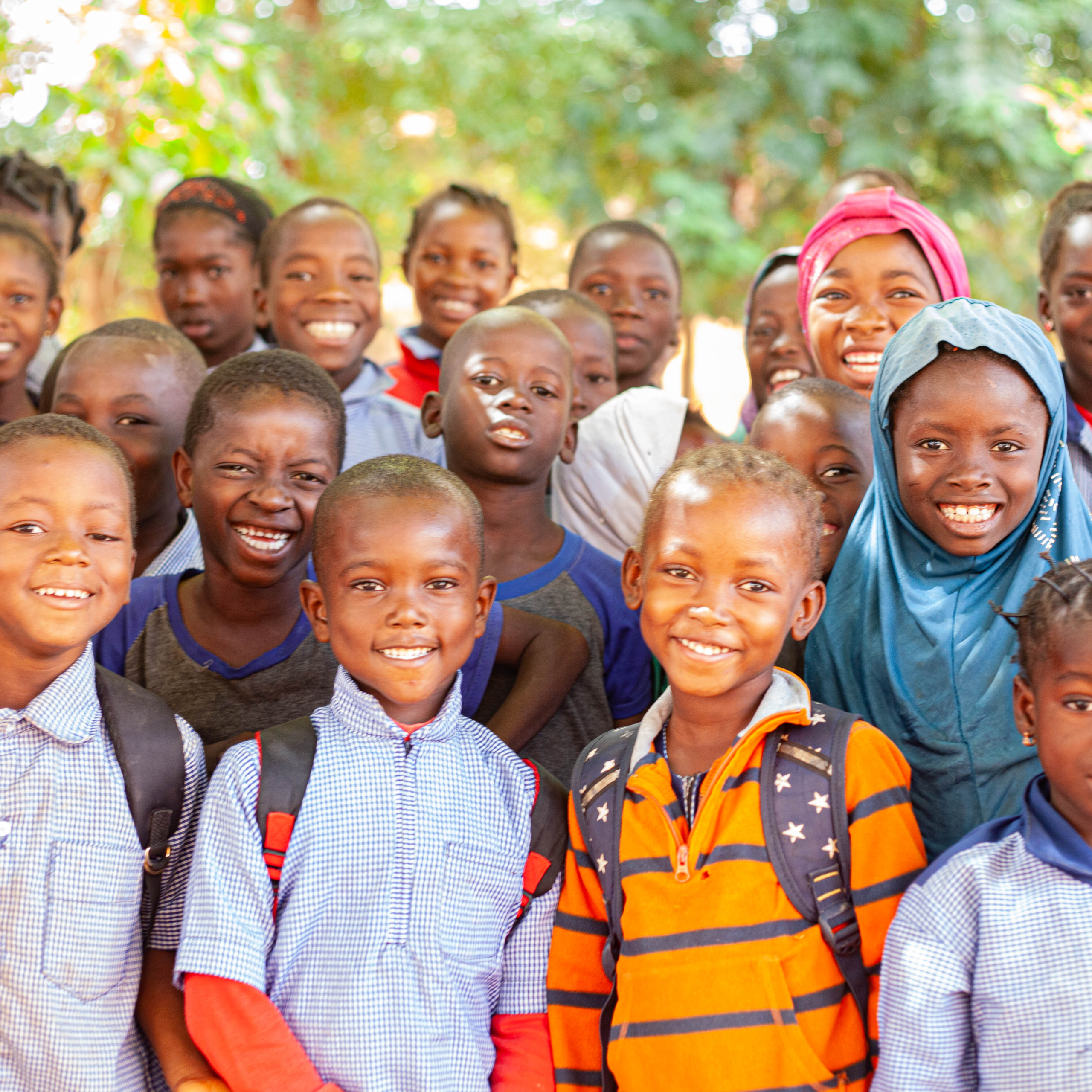
£25 per month helps a group of children go to school through Group Sponsorship
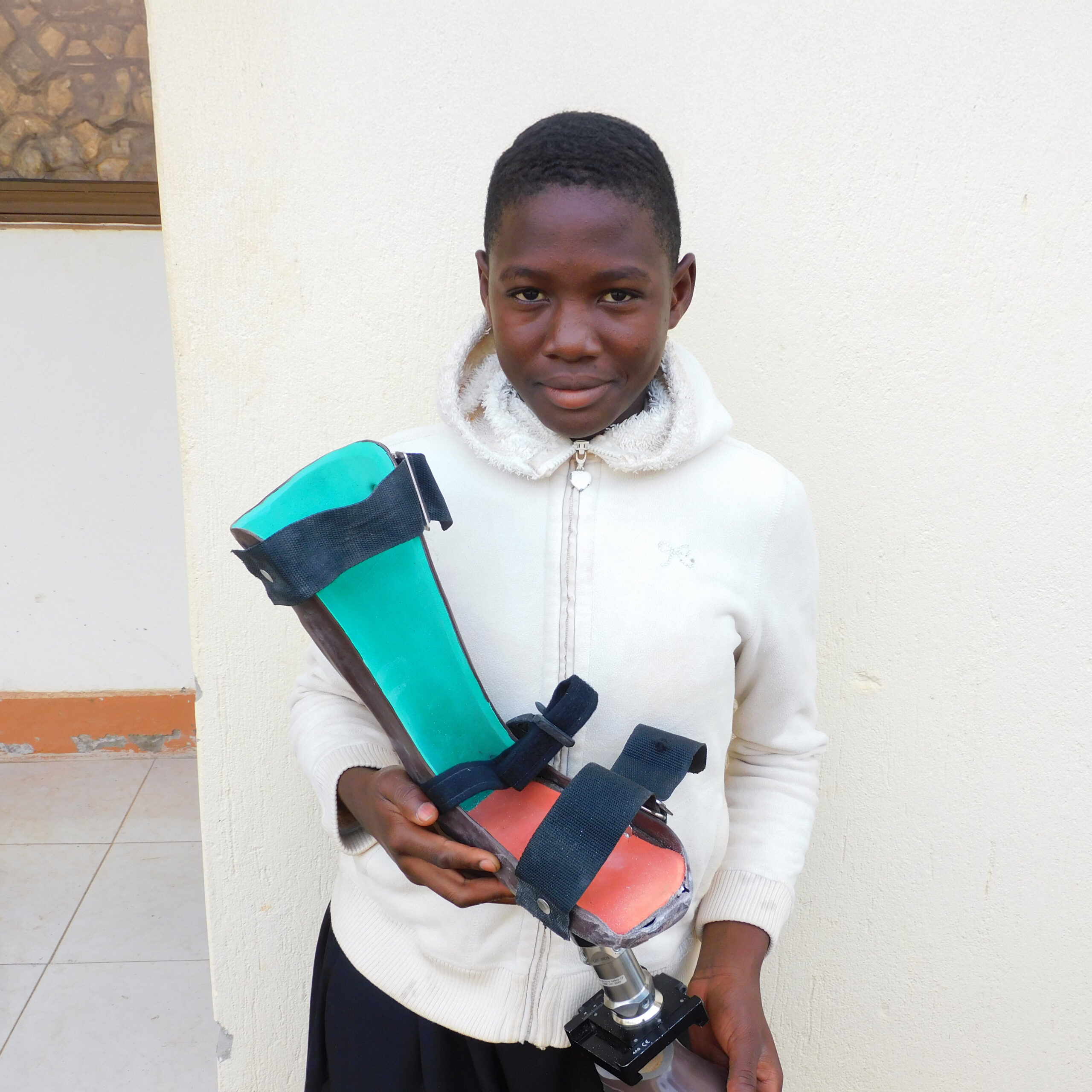
£50 per month helps a disabled child go to school
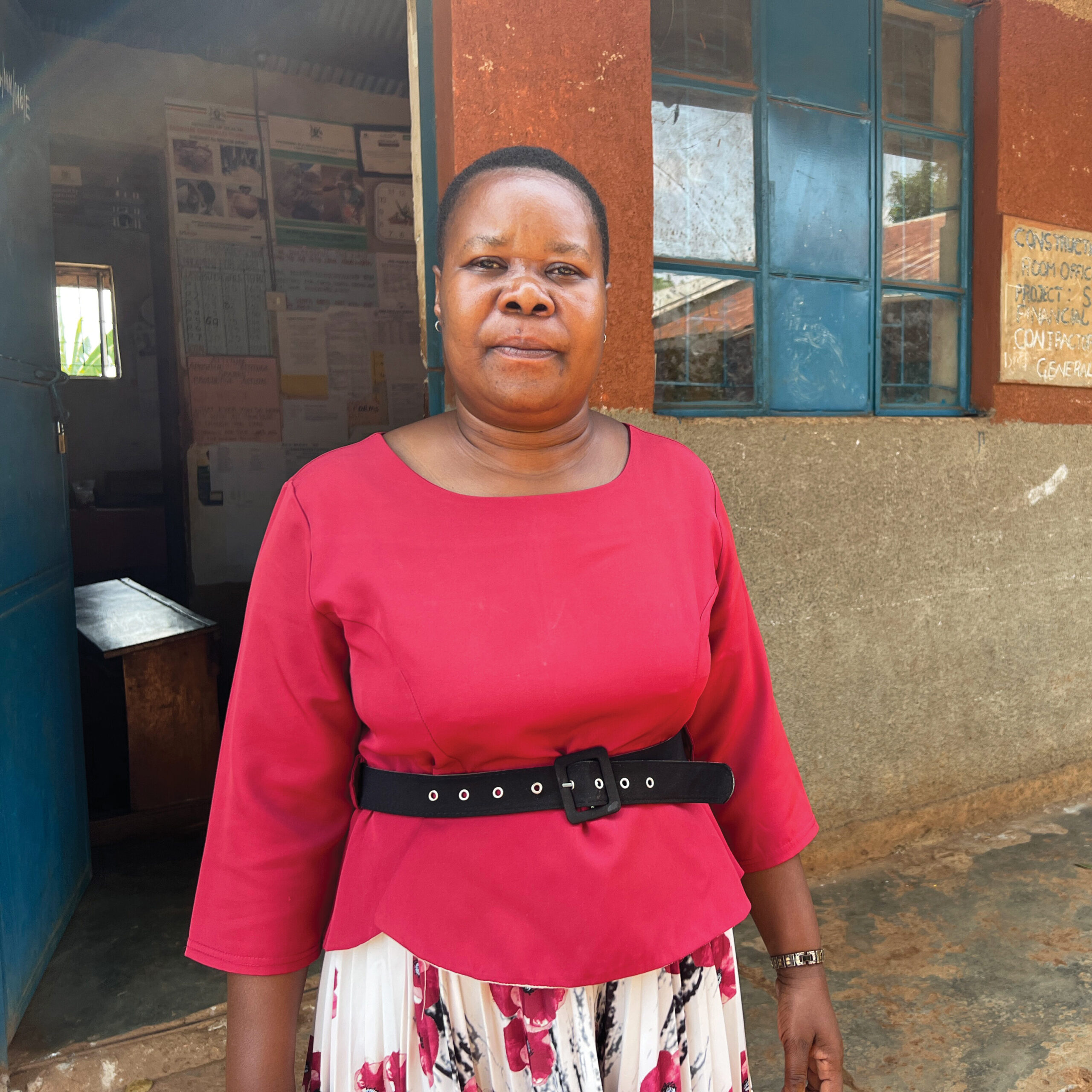
£10 trains a teacher in disability inclusion for a day
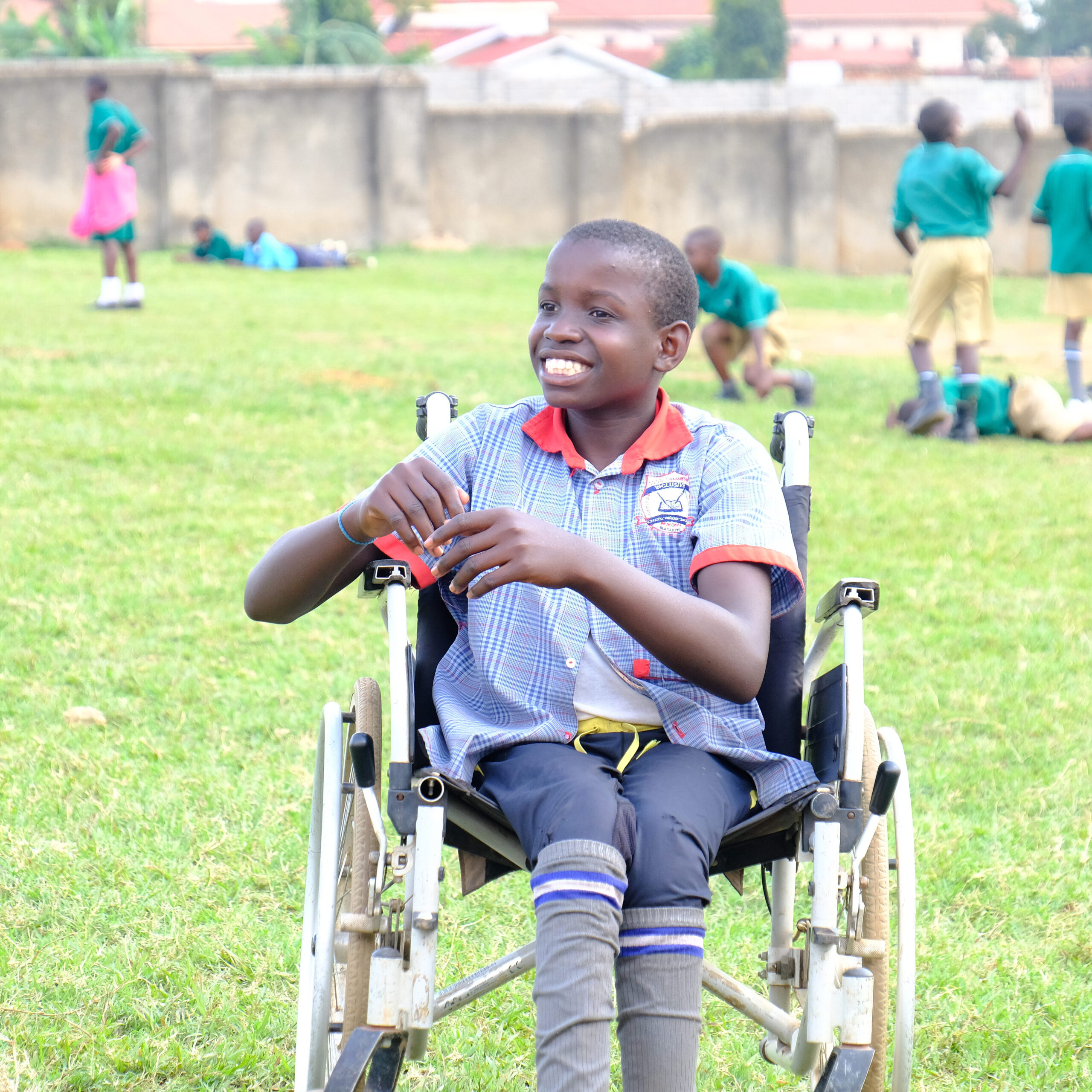
£200 provides a wheelchair for a disabled child
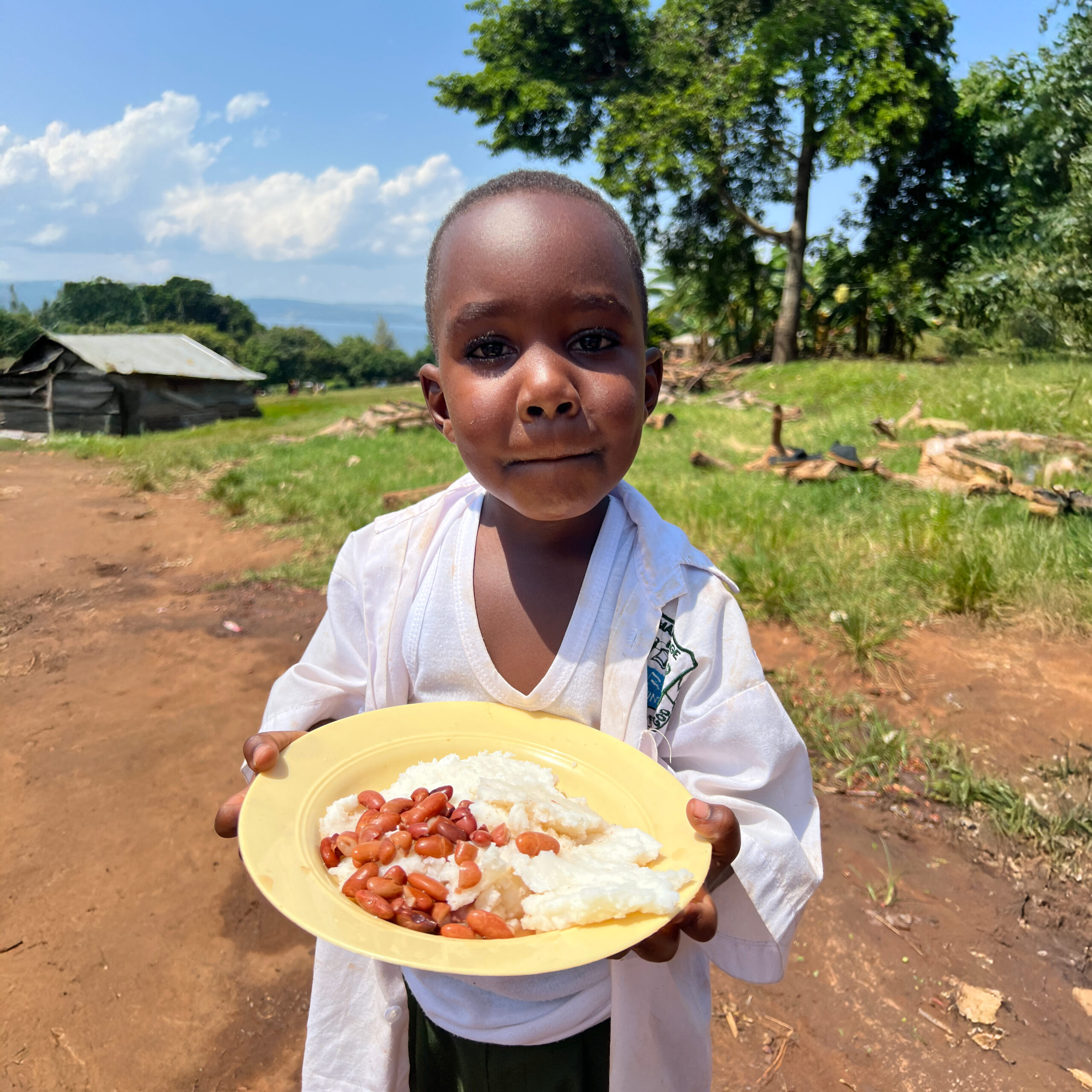
£5 provides a week of nutritious school meals for a child
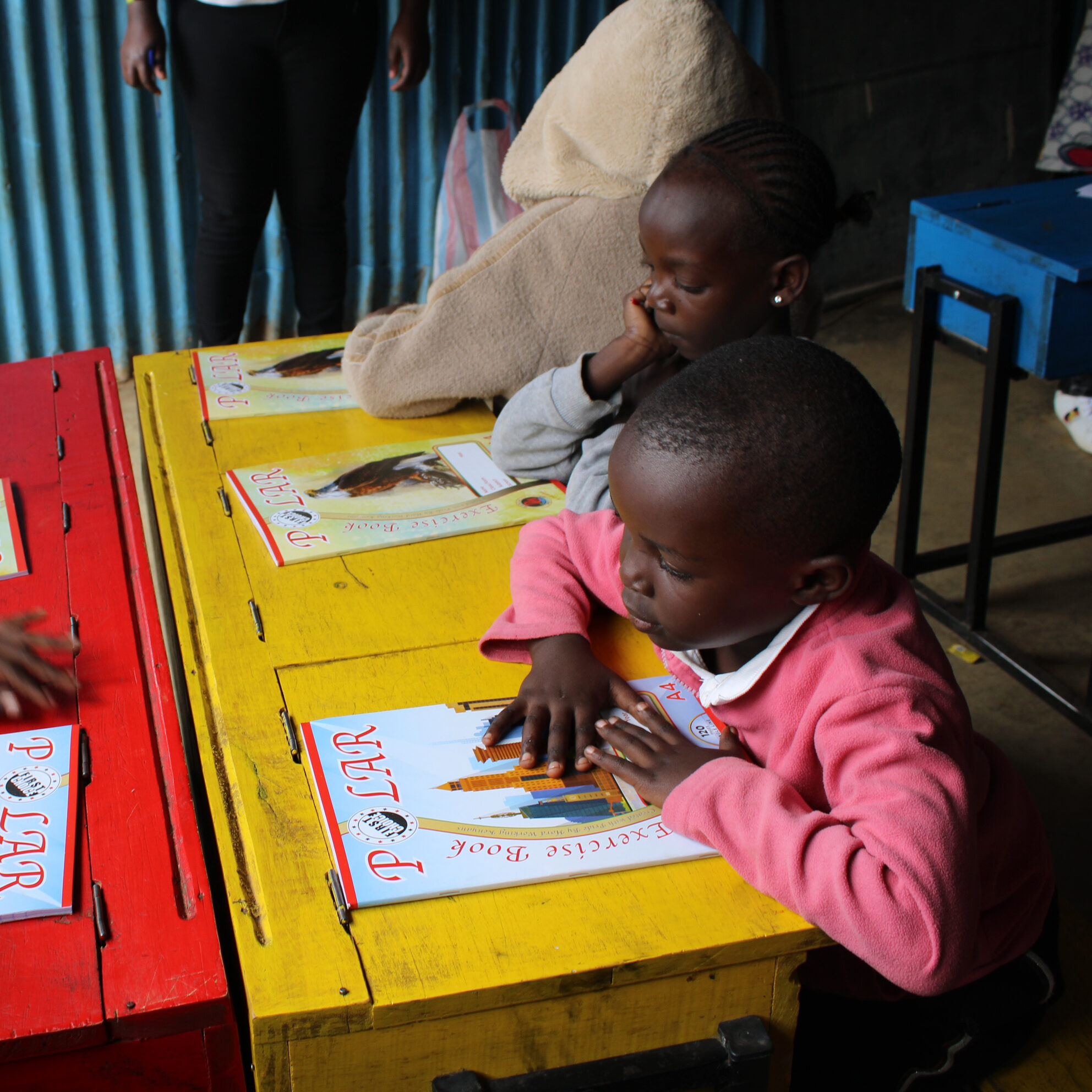
£10 buys a textbook
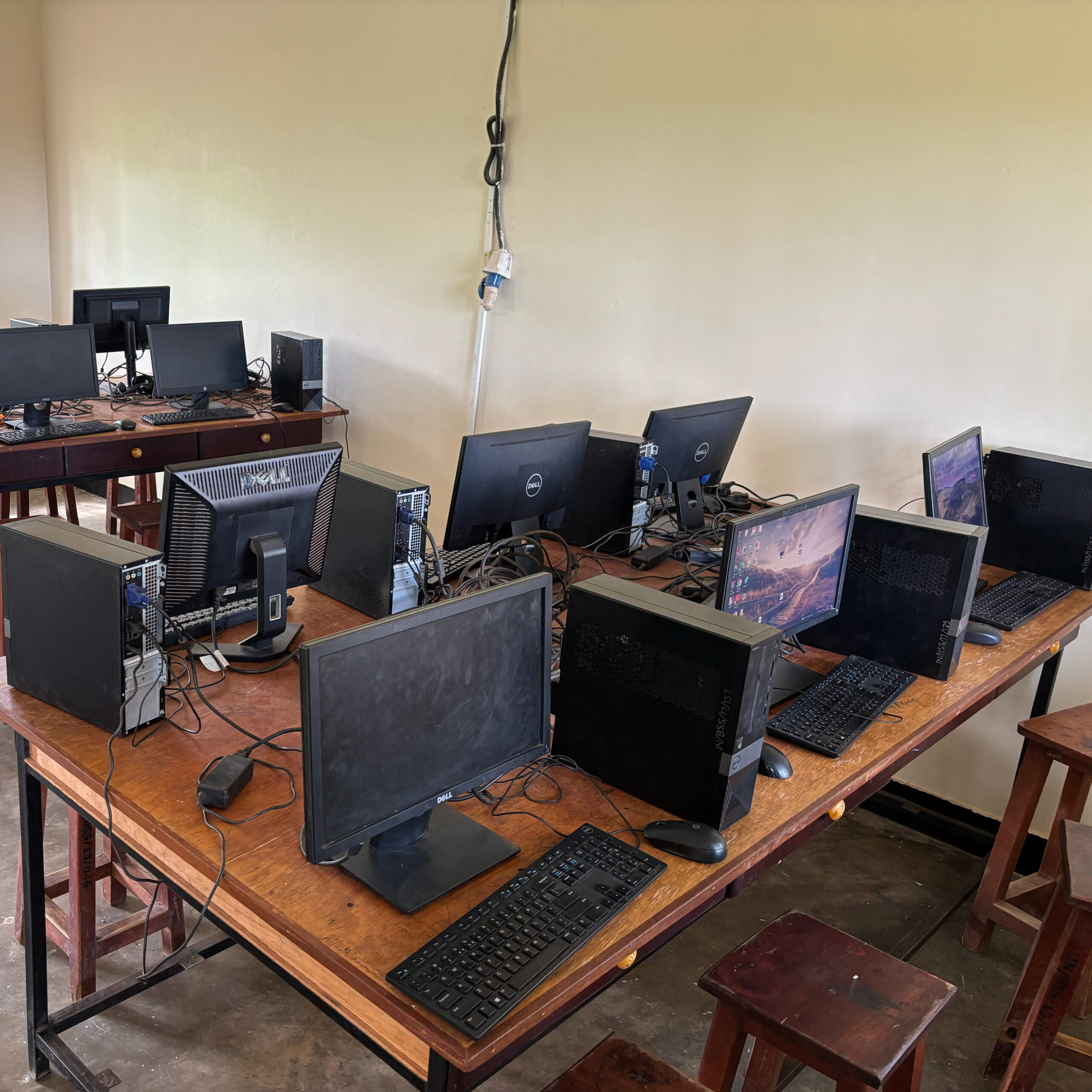
£500 funds a school computer
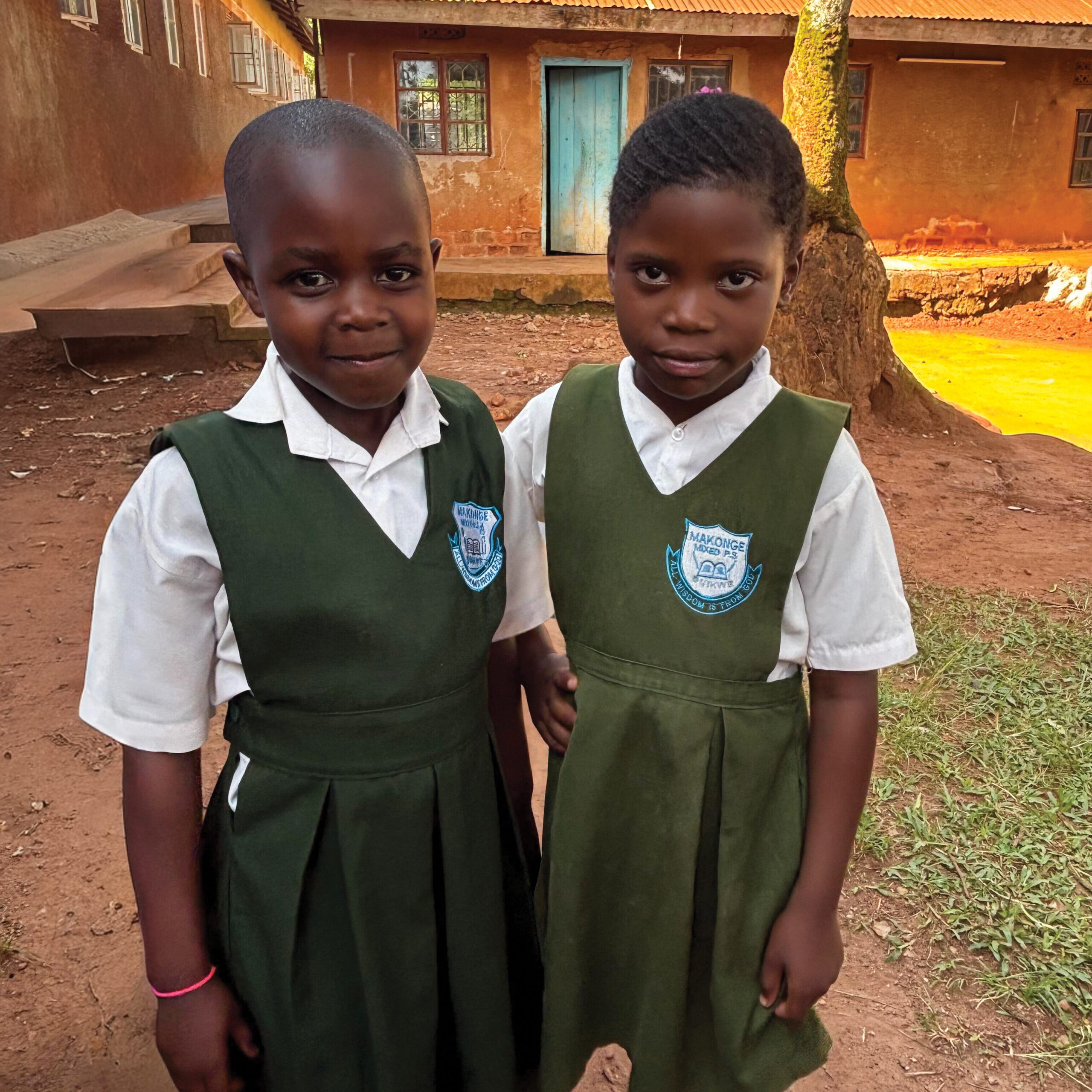
£10 funds school uniform
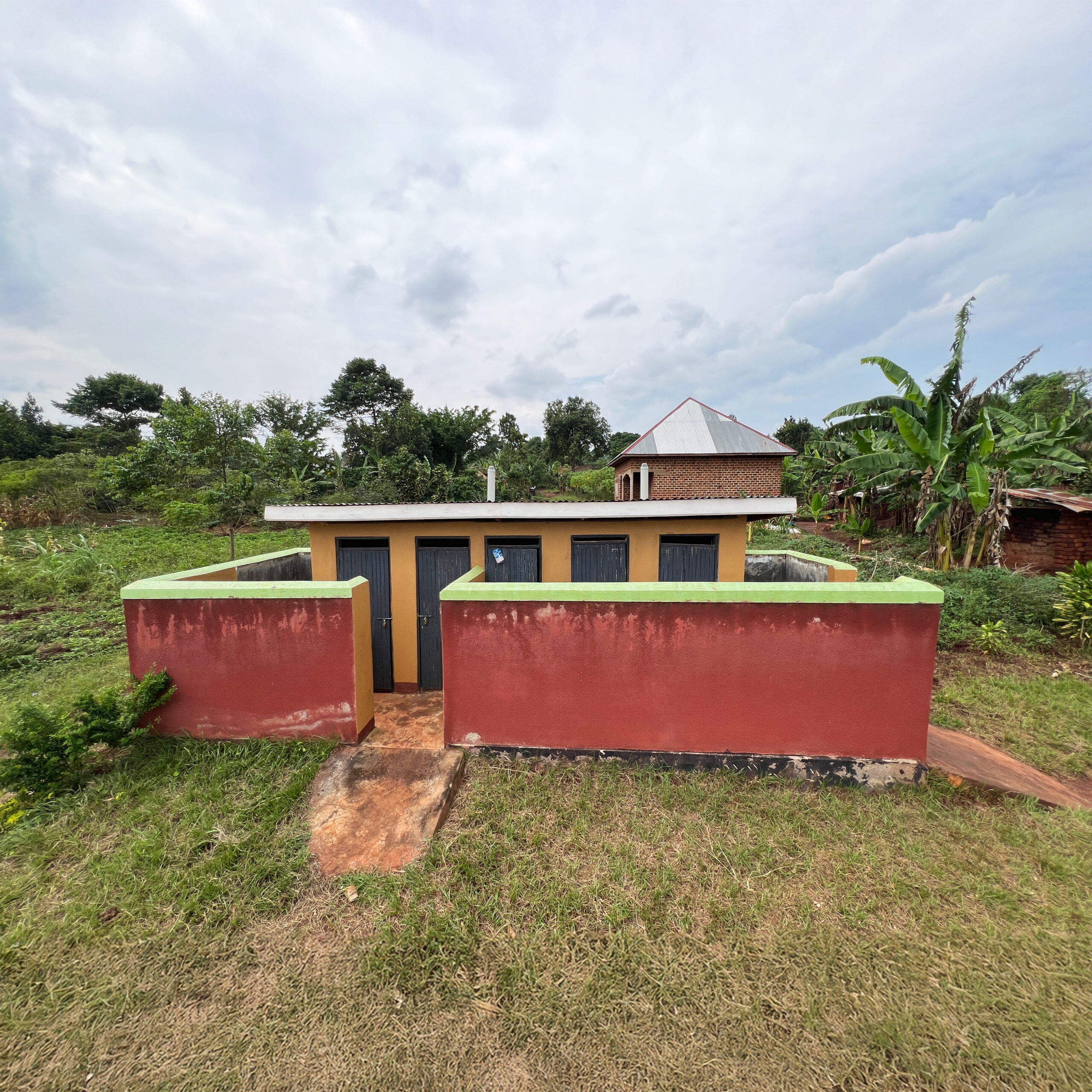
£3,219 builds a block of school toilets
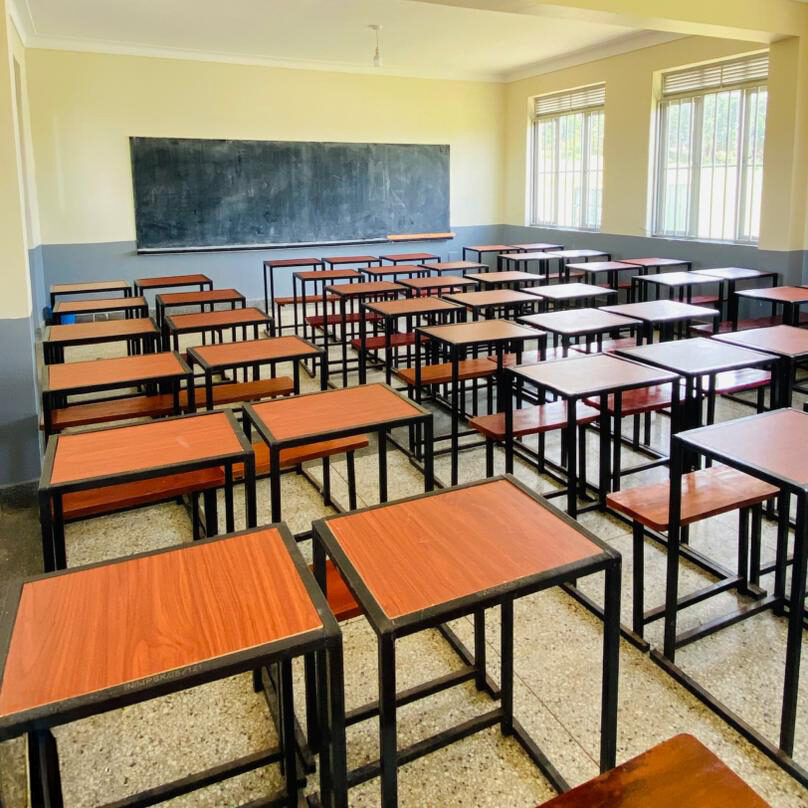
£35.80 for a desk with chair
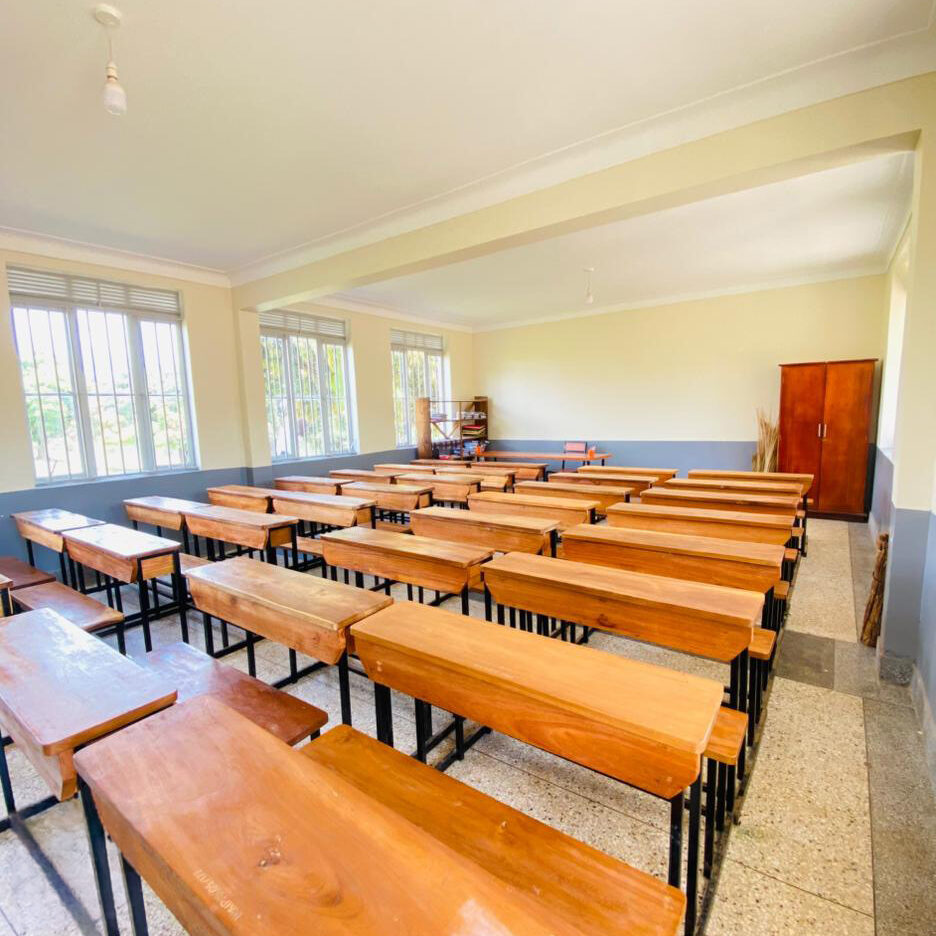
£59.70 for a double desk with bench
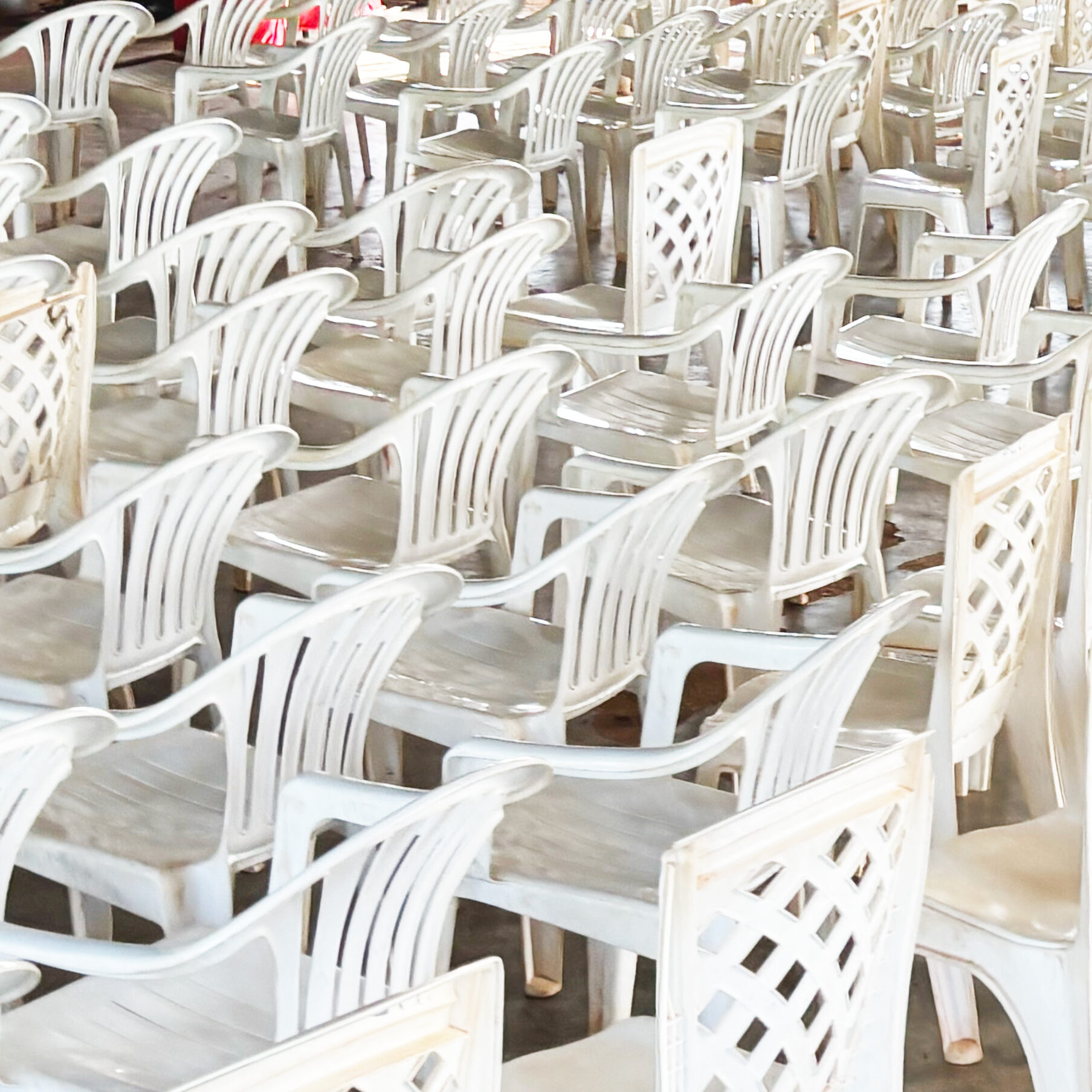
£334.40 for 14 staff chairs
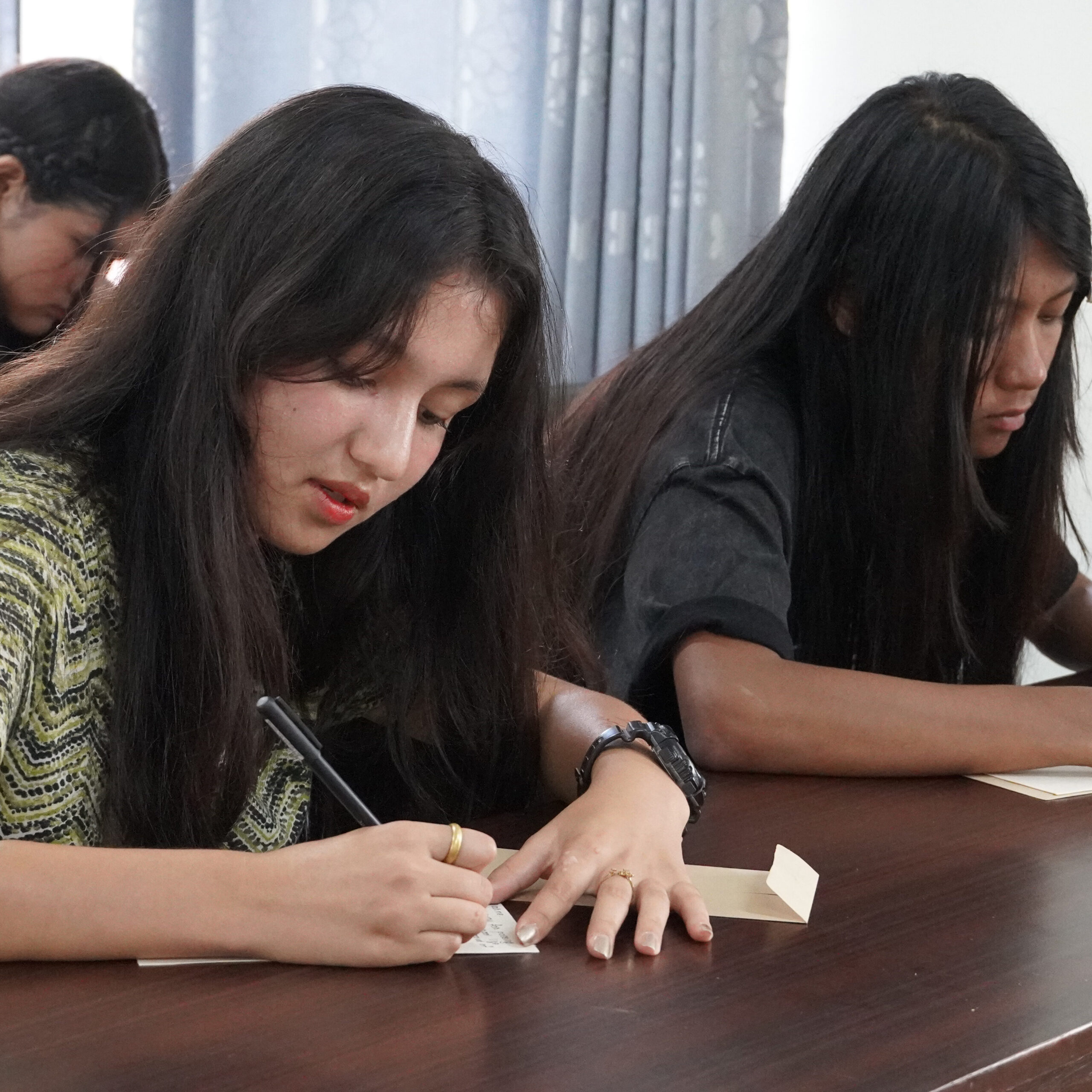
£26 to provide stationary for weekly bible clubs
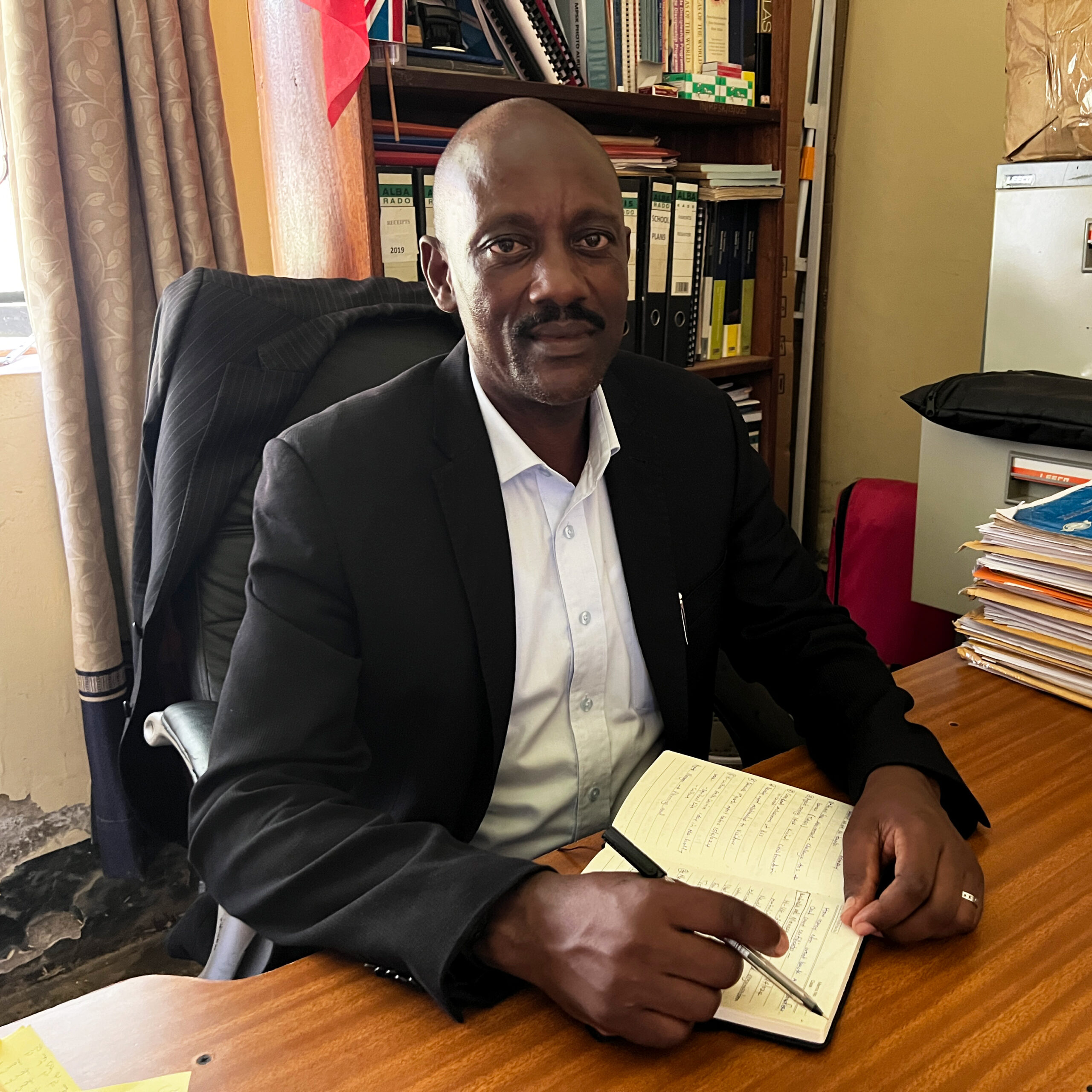
£366 could fund a primary school teacher for a month
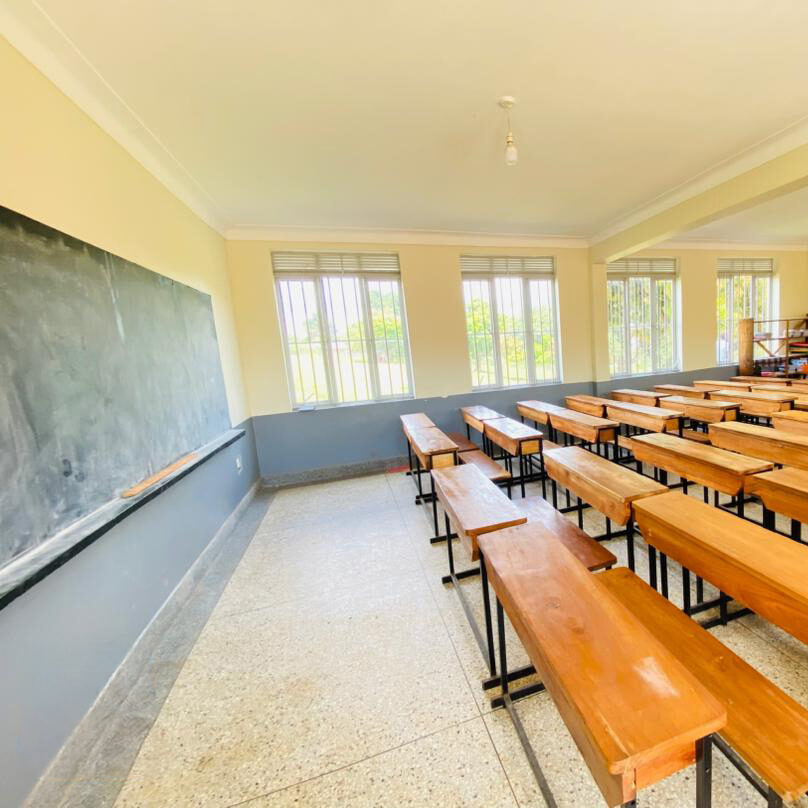
£34,000 could build a new classroom
stories
Child Sponsorship enables an education. For many children, the costs of going to school with all the additional payments would be too much for a family to afford. That is where sponsorship comes in. With the £25 a month contribution for a child, they can be guaranteed a continuous education; and their family can focus their resources on other life essentials such as food, farm inputs and medical fees.
Parents around the world work so hard to provide for their children but relieving them the costs of an education helps them to focus on other immediate needs. And it makes a difference!
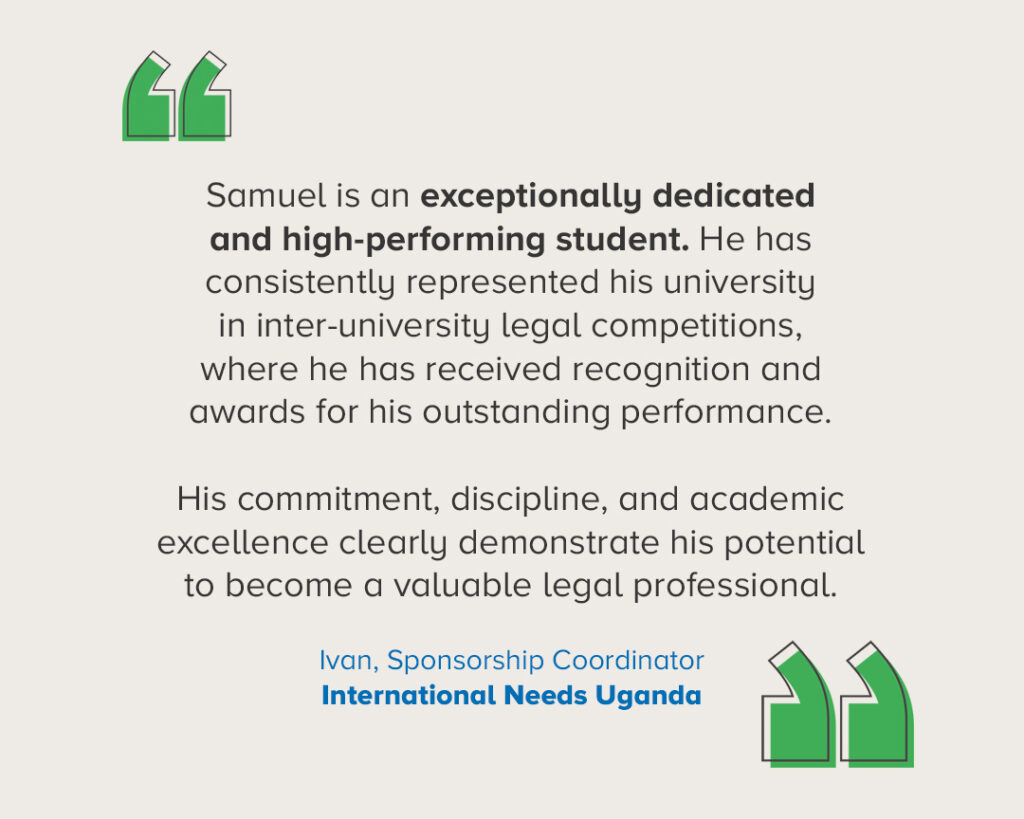
Samuel, a sponsored child who is now attending university, is now in his final term of a bachelor’s degree in law. Here is what the sponsorship coordinator Ivan has to say about Samuel:
“Samuel is an exceptionally dedicated and high-performing student. He has consistently represented his university in inter-university legal competitions, where he has received recognition and awards for his outstanding performance. His commitment, discipline, and academic excellence clearly demonstrate his potential to become a valuable legal professional.”
How we spend your money
For every £1 you donate to this appeal, we will allocate 25p of your donation to cover general support and running costs. There is a small chance that we will raise more money than is needed for this appeal. If this happens, we'll spend any additional funds on other International Needs projects – wherever the need is greatest.
project updates
June 11th, 2026
Educating the next generation
Across our network over 16,193 children are supported through education across 100 schools each year. We believe so strongly that education has the potential to change life prospects for children and their families.
Furthermore, beyond an academic education, we strive to empower these children with confidence and life skills. We share the love of Christ with them, encourage them in their faith, and provide holistic Christian education that nurtures their development.
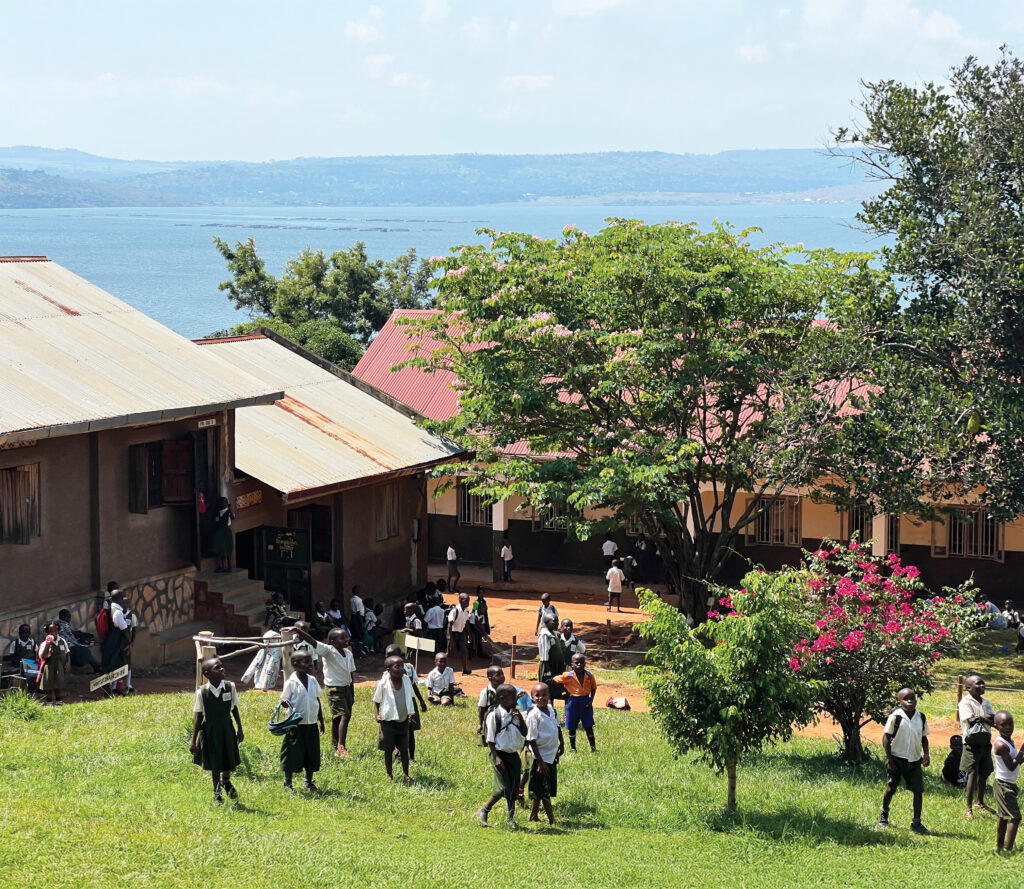
Students at Makonge Primary School, beside Lake Victoria, playing in the field between lessons
Students Empowered to Lead with Confidence
Advocating for their Peers
International Needs Uganda works hard to empower young leaders at their schools. Children have opportunities to take on different responsibilities, such as head boy and head girl, student leader, and WASH* club leader.
Having consulted with her peers, Monika recently shared with us the greatest challenges she sees for her friends at Makonge Primary School in Buikwe.
“My concern is that most sponsored children walk 8km to and from school. This means they reach home and get to school late. I have had time to interact with them as their student leader and always hear their challenges. When it rains heavily, they reach home with water all over their bodies. They may be so tired they only attend school two days per week.
I feel sorry for these children, who walk around 80km per week, and my prayer is that if we got a dormitory in this school these children would not fall victim to dropping out of school or academic failure.”
Monica, Student Leader in Primary 7 at Makonge Primary School, Buikwe.
We hope we can help IN Uganda respond to Monika’s request, but also that Monika may continue to be a bold and confident advocate for vulnerable members of her community.
*Water, Sanitation and Hygiene
High Achievers
Fundamentally, child Sponsorship enables an education. For many children, the costs of going to school with all the additional payments would be too much for a family to afford. That is where sponsorship comes in.
With the £25 a month contribution for a child, they can be guaranteed a continuous education; and their family can focus their resources on other life essentials such as food, farm inputs and medical fees.
Parents around the world work so hard to provide for their children but relieving them the costs of an education helps them to focus on other immediate needs. In other words, it makes a difference!
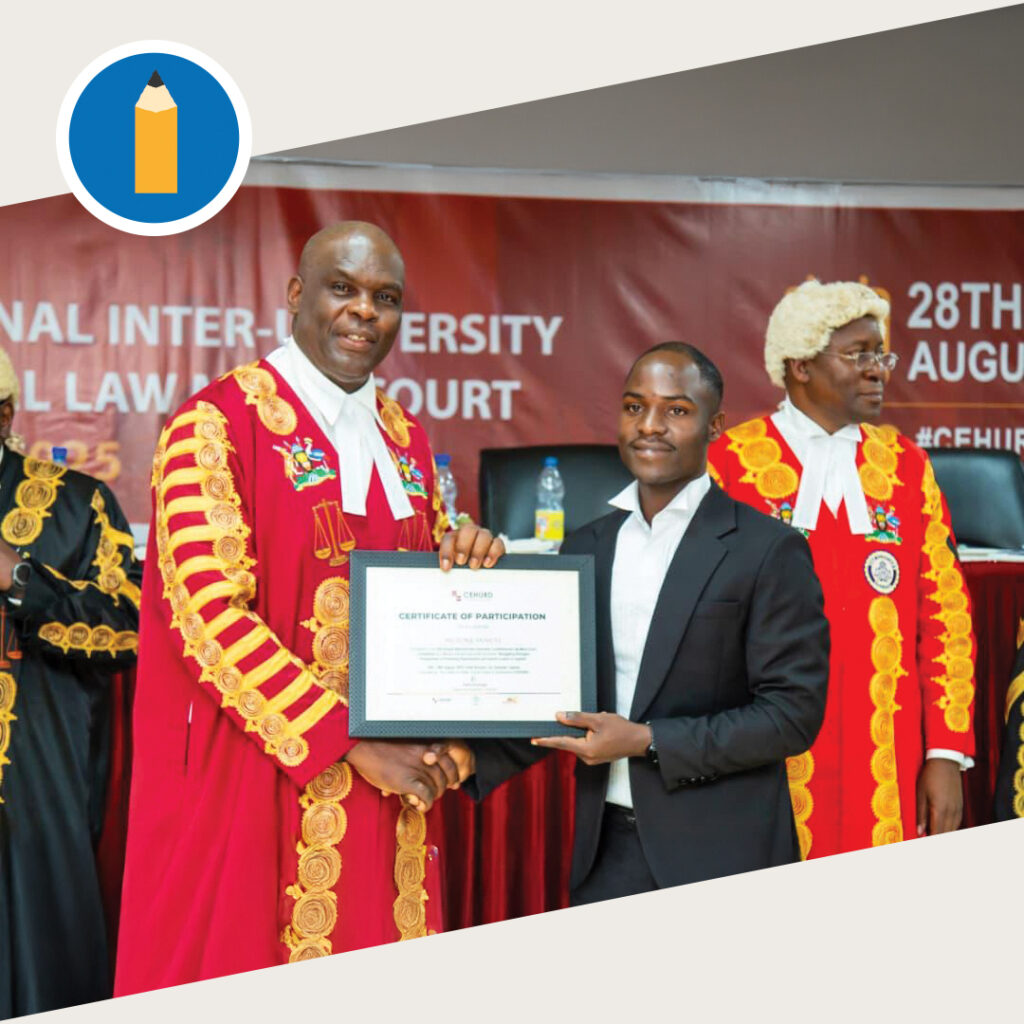
Samuel receiving recognition for his talent and hard work
Samuel, a sponsored child who is now attending university, is now in his final term of a bachelor’s degree in law.
Here is what the sponsorship coordinator Ivan has to say about Samuel:
We look forward to following Samuel’s career and celebrate his hard work and achievement with him.
Invest in the next generation today! Click the following link to sponsor a child:
Sponsor a child today
Follow us on Instagram to read more positive transformation stories at @ineedsuk
Written by Ali Mbugua, Chief Operating Officer
May 27th, 2026
Learning without limits: the global state of education
A deeper dive into the global state of education
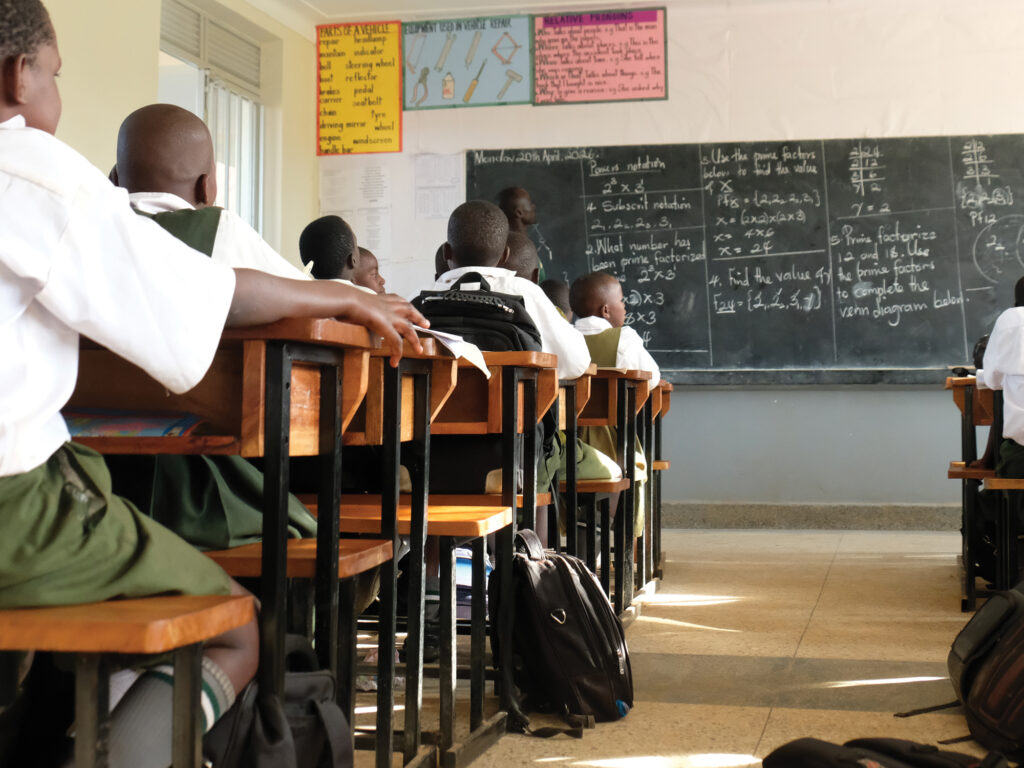
Students learning at Makonge Primary School in Kiyindi, Uganda, 2026
Since its launch in 2015, the United Nations’ 2030 Agenda for Sustainable Development set out to end poverty, reduce inequalities, and promote peace and prosperity. Its sustainable development goals, organised around people, planet, prosperity, peace, and partnership, present an ambitious blueprint for a more just and sustainable world.
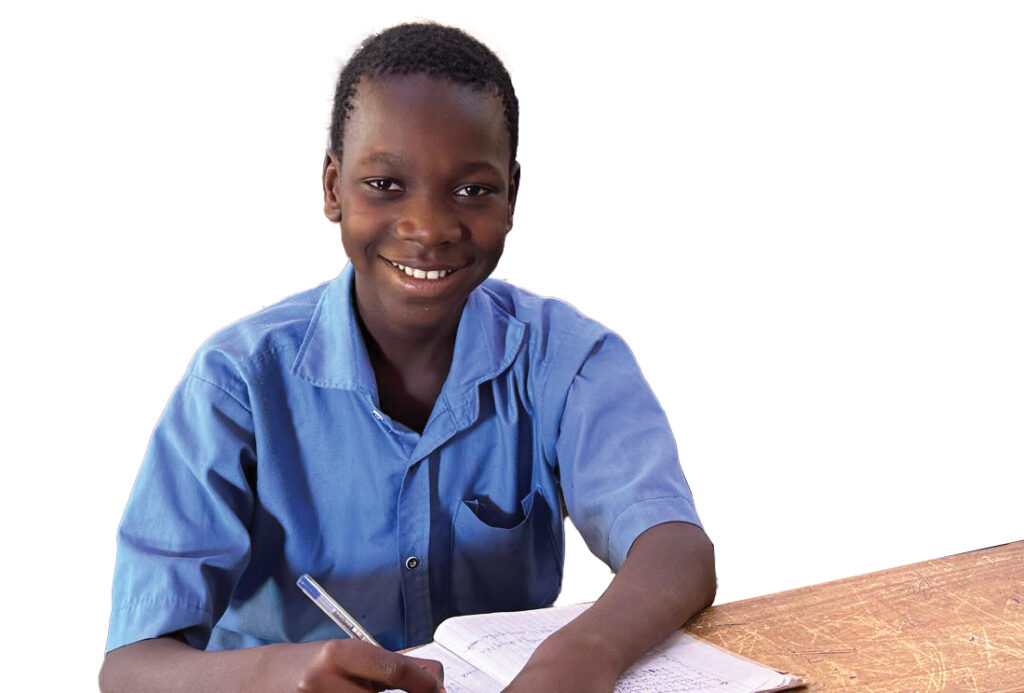
(Pictured) Abdoul Aziz, a displaced student, is doing well in his studies thanks to psychological sessions at La Bonne Nouvelle School in Burkina Faso, 2026
One of these goals focuses on ensuring every child and young person can access quality education and lifelong learning opportunities. This commitment is rooted in the belief that education is a fundamental human right and a driving force for broader development.
Access to learning strengthens families, and communities, and helps societies to grow in ways that are economically, socially and environmentally sustainable. With 2030 fast approaching, achieving this remains a challenge.
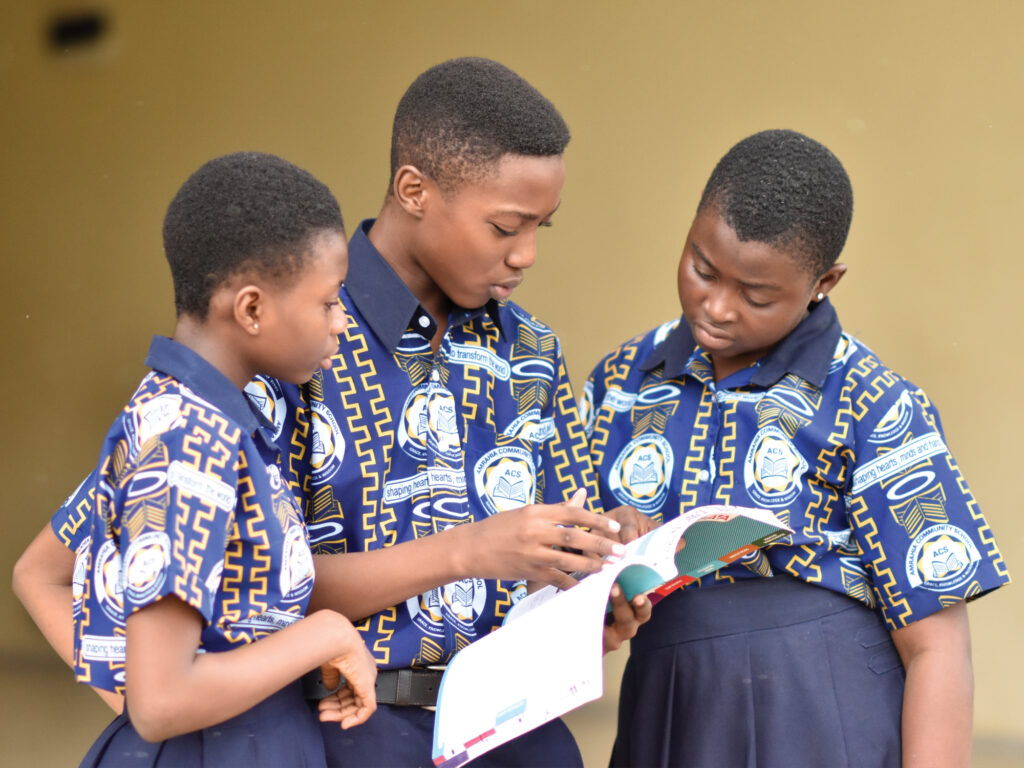
Students chatting together at Amrahia Community School in Ghana, 2026
While there has been measurable progress, 110 million more children have entered school since 2015, and 40 million more now complete secondary education, but major challenges persist. Approximately 272 million children and young people are still out of school, nearly 40% of them in sub Saharan Africa.
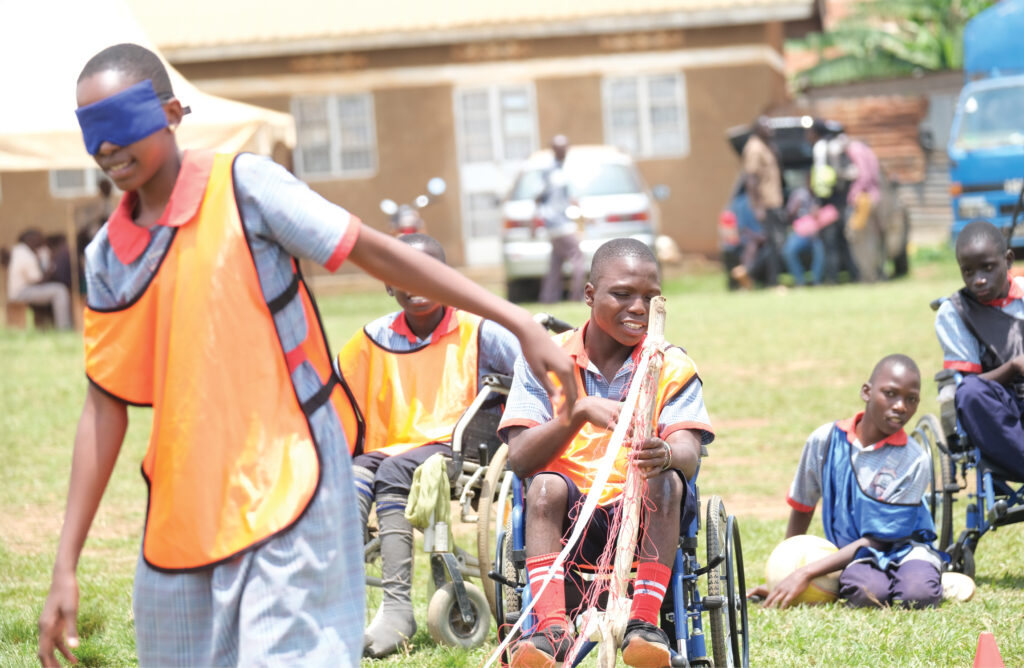
Action shot from a 2025 Sports Festival run by International Needs Uganda that actively includes children of all abilities
The most disadvantaged groups, including children with disabilities, those living in remote areas, and those affected by conflict, continue to face the greatest barriers to education. In- low and middle-income countries, about half of children with disabilities do not attend school.
But in some countries or local contexts where barriers are especially high, this can be closer to 90%.
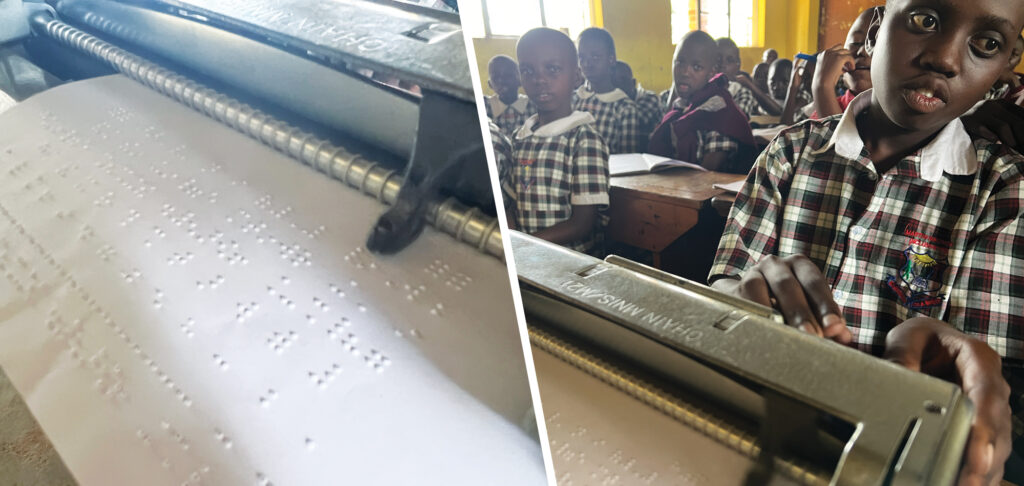
A student at The Martin Nkoyoyo Inclusive School using a Braille typewriter, 2024
Achieving this goal depends fundamentally on people, especially teachers. Recruiting, preparing and retaining well-educated and well-trained teachers is essential, particularly to ensure they can support learners with diverse needs.
But effective teacher development needs to reflect the social, cultural, economic, and political realities in individual countries. Teachers work in widely varying conditions from crowded, under-resourced classrooms to environments shaped by poverty or changing policy priorities.
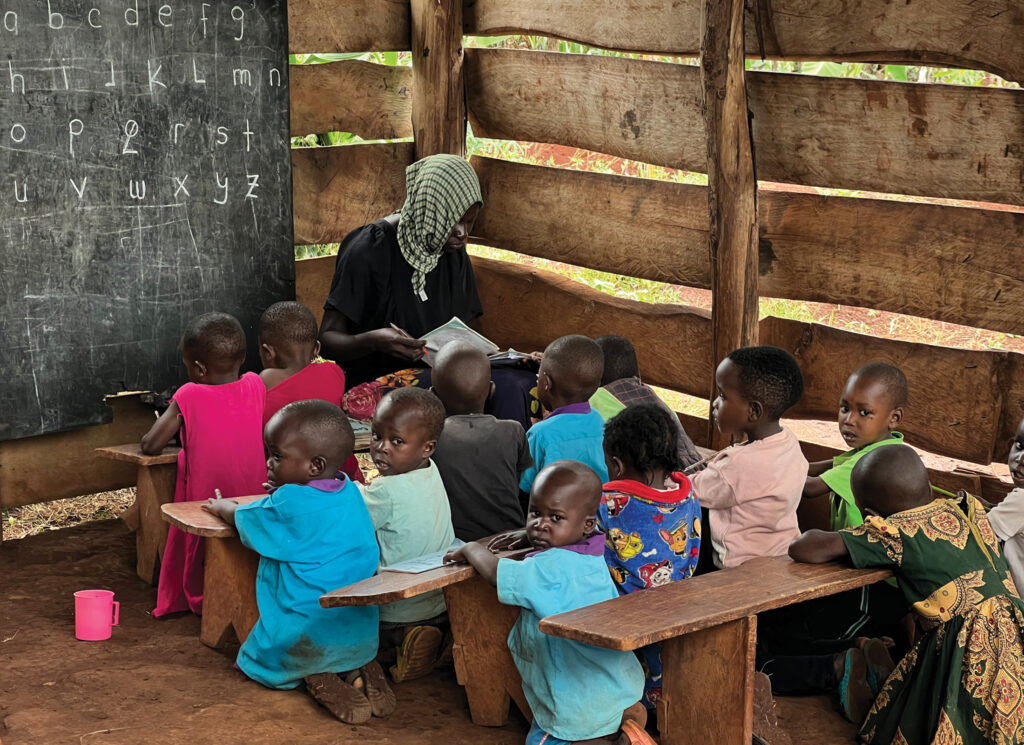
Rural Ugandan school, 2024
Teaching in a rural, resource poor setting demands different skills, tools and support systems than in a better resourced urban school. Likewise, teachers in conflict-affected areas may require trauma-informed training and flexible approaches that accommodate disrupted learning.
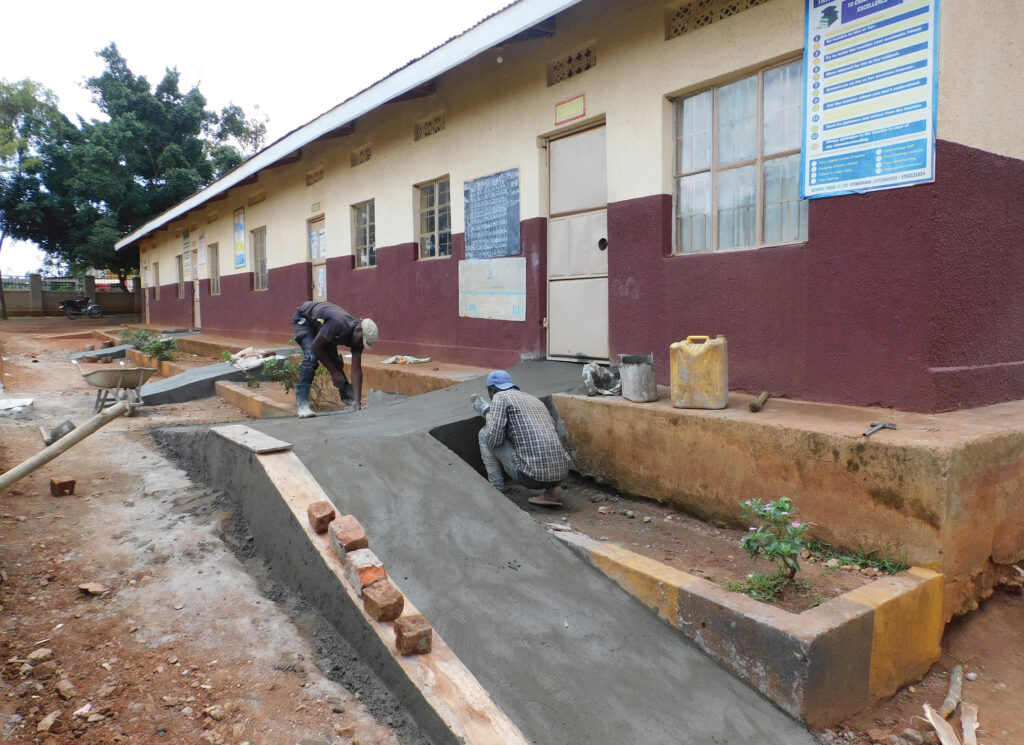
Ramps being added to schools as part of the Disability Inclusion Project in Uganda, 2024
Examples from IN’s programmes illustrate the transformative potential of inclusive and context responsive approaches.
In Uganda, the Disability Inclusion Project has significantly expanded educational access for children with disabilities. Up to 2,500 children have been enrolled with targeted support, while families have benefited from income generation initiatives designed to reduce financial pressures that often hinder school attendance.
By addressing both educational and economic barriers, the programme shows how disability inclusion can strengthen children’s opportunities while enhancing family resilience and wellbeing.
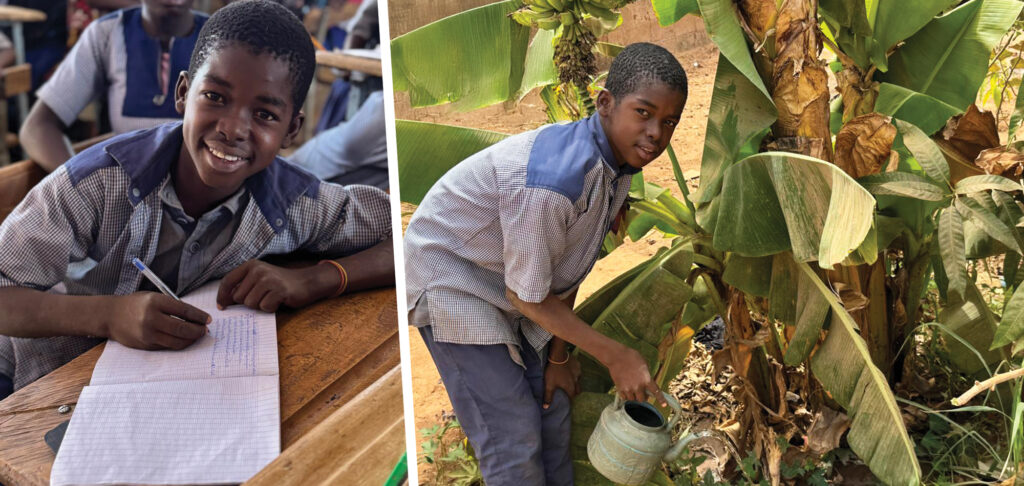
Noufou, a displaced student, continues his studies in peace thanks to help through the Trauma Counselling Programme run by International Needs Burkina Faso (2026)
Similarly, in conflict affected regions, the stabilising power of education becomes especially clear. In Burkina Faso, La Bonne Nouvelle School has welcomed more than 400 internally displaced children. The school offers not only safe and structured learning but also integrated trauma counselling.
This combination of education and psychosocial support highlights the essential role schools play in fostering stability, restoring hope, and supporting recovery for children living through conflict.
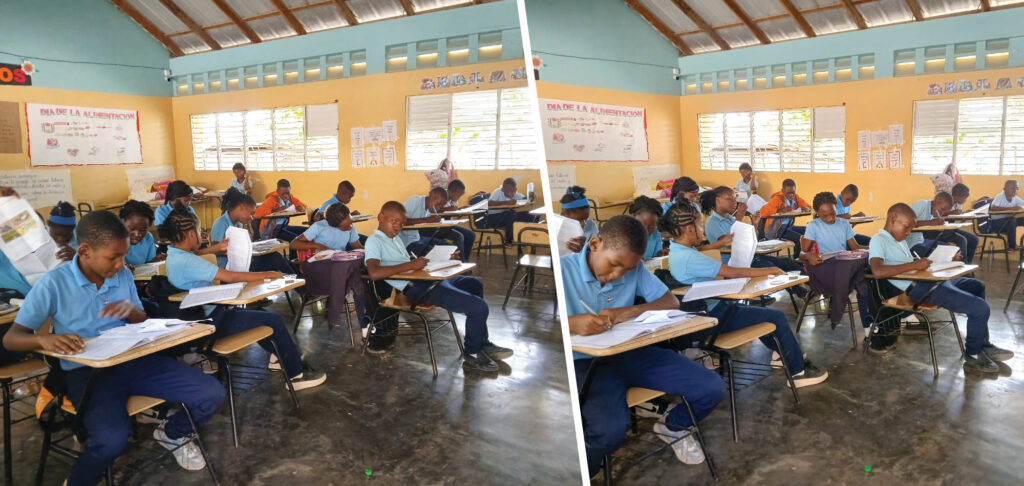
Students studying at the Juan Calvino School in Dominican Republic, 2026
Recognising and responding to these contextual differences is essential for building a teaching workforce capable of delivering inclusive, high quality education everywhere.
Empowered teachers, supported within their own local realities, are central to helping children flourish and ensuring no one is left behind as the world approaches 2030.
Written by Dr Elizabeth King
Dr Elizabeth King serves on the IN Board of Trustees and is an Honorary Fellow of the University of Melbourne. An educator, researcher, and former missionary, she has extensive experience working in the UK, Australia, and Southeast Asia. Her academic work focuses on education in the Global South, particularly in teacher education, policy implementation, and the interplay between culture and schooling in developing contexts.
References:
UNESCO, Global Education Monitoring Report (2024/25): Leadership in Education
UNESCO, World Education Statistics (2025)
April 16th 2026