Uganda Appeal
Amy Conroy & Disability Inclusion Project in Uganda
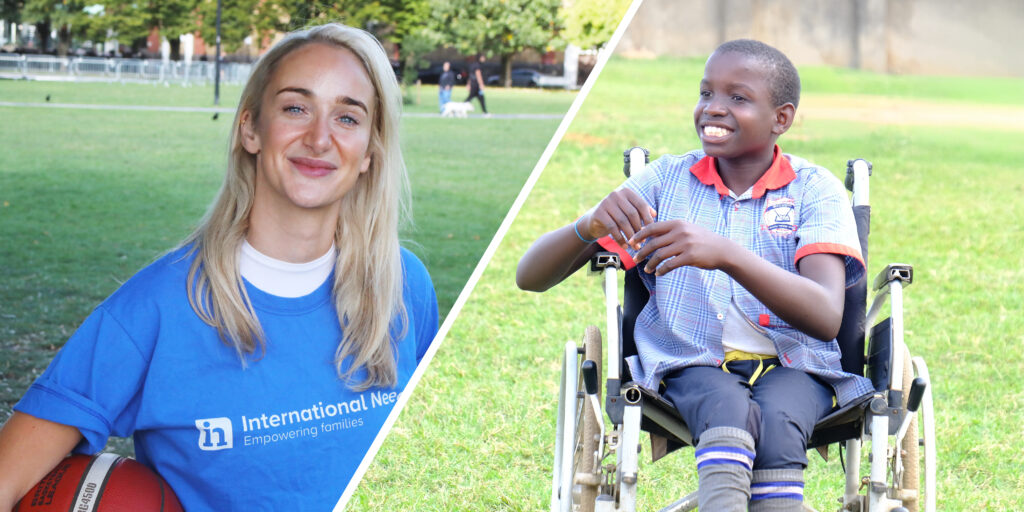
“Sport gave me freedom – let’s give other children that opportunity,” says Amy Conroy, ambassador for our Disability Inclusion Project in Uganda.
Led by local partners at International Needs Uganda, the Disability Inclusion Project brings together children with disabilities, their families, teachers, and communities to create lasting change…
“For disabled children the world over, and especially in Africa, they are disadvantaged. They are vulnerable, isolated and denied services. In our generation we should do whatever we can to bring change for these kids.”
Rev Canon Justus Miwanda, former Executive Director of IN Uganda.
……………………………………………………………………………………………………..
In this project, we are:
Building confidence, mobility and participation with disabled children through sport.
Providing mobility and learning aids.
Training teachers in effective methodologies to run inclusive sports and education.
Supporting families of disabled children to increase household income.
Encouraging positive understandings of disability in the local communities.
……………………………………………………………………………………………………..
Amy is our International Needs UK Ambassador, most recognised as a four-time Paralympian and Team GB wheelchair basketball player! She speaks so powerfully about how sport has transformed her life and opportunities. Since finding out about our work, she has been determined to help us raise the profile and vital funds needed for this to continue.
Amy will actually be on Songs of Praise on Sunday 21st June at 12.15pm with her Dad, reflecting on their journey with cancer and how God’s grace has carried them through. As the Father’s Day special, Amy shares about how her Dad’s faith has been a constant source of encouragement and has inspired her to give back through International Needs.
If it is Songs of Praise that led you to this page, thank you for checking out our work. We’d love to share more with you. If you would like to learn more about who we are and what we do, feel free to subscribe to our emails at the bottom of this page!
project overview
Our impact
Since 2017:
2,407 disabled children have gained access to inclusive education; hundreds received medical care, mobility aids, and learning resources.
2,285 parents have been engaged with positive disability awareness training; 240 families supported with new income-generating projects.
192 teachers have been trained in inclusive methods through the innovative Plan2Inclusivise programme, developed with the UNESCO Chair in Inclusive PE, Sport, Recreation and Fitness.
241 community leaders and 60 church leaders/chaplains have been equipped to promote disability inclusion and provide psychosocial support.
1.28 million
children live with disabilities in Uganda
Only 9%
of disabled children go to primary school in Uganda
Disabled children
in Uganda are often hidden away and lack access to education, medical care, and mobility aids

stories
Zawade Caroline wants the best for her daughter.
She dreams of a future full of possibility and the chance to discover who she can become. But for a child with a disability in Uganda, opportunities can be limited by stigma, isolation and a lack of support.
Through Sports for Change, part of our Disability Inclusion Project with International Needs Uganda, Zawade has watched her daughter Maria begin to flourish. By mixing with her peers, Maria has come out of her shell and uncovered strengths and talents that were once hidden.
For families like Zawade and Maria, sport is far more than play: it is a doorway to inclusion, friendship and hope! It is a reminder that every child deserves the chance to grow, to connect and to feel valued and supported.
Any donation, big or small, is appreciated and will help provide more opportunities for children like Maria.
How we spend your money
For every £1 you donate to this appeal, we will allocate 25p of your donation to cover general support and running costs. There is a small chance that we will raise more money than is needed for this appeal. If this happens, we'll spend any additional funds on other International Needs projects – wherever the need is greatest.
project updates
July 29th, 2026
Empowering Teachers
As my daughter has recently started school, more than ever I am aware of the importance of teachers in the development, confidence and growth of children. When we invest in teachers, we are investing in and empowering the next generation.
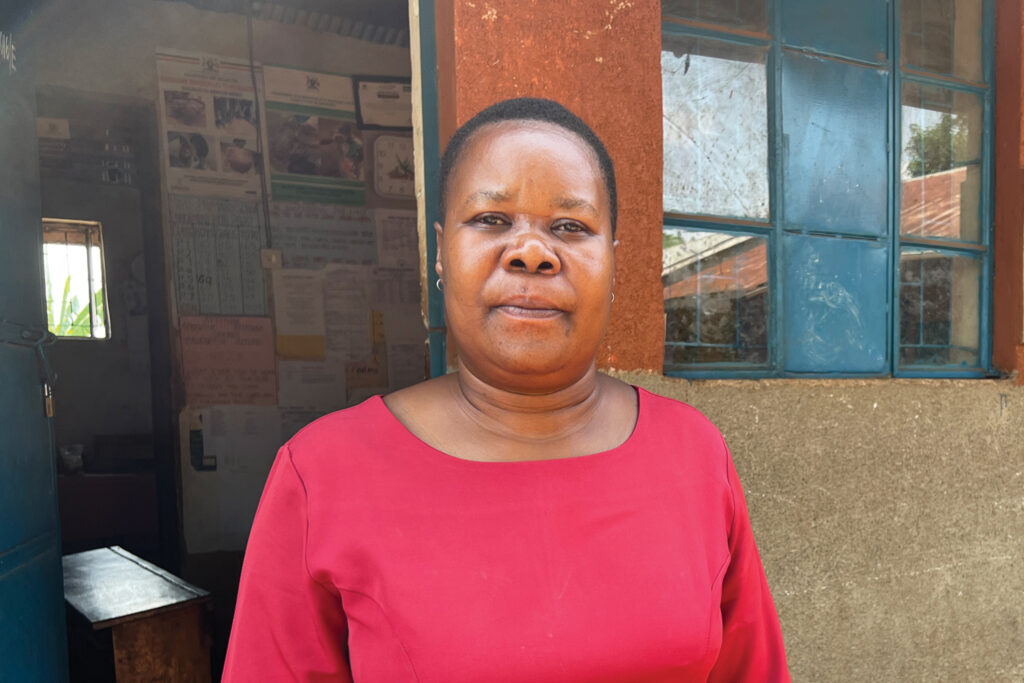
A primary school teacher from Kiyindi, Uganda (above and below)
In February this year over 200 teachers from schools in Uganda gathered to learn more about disability and how best to educate children with learning difficulties in their classrooms.
By equipping teachers with the knowledge and skills to create more inclusive learning environments, we can help ensure that all children, regardless of ability, have access to the life-changing opportunity of education.
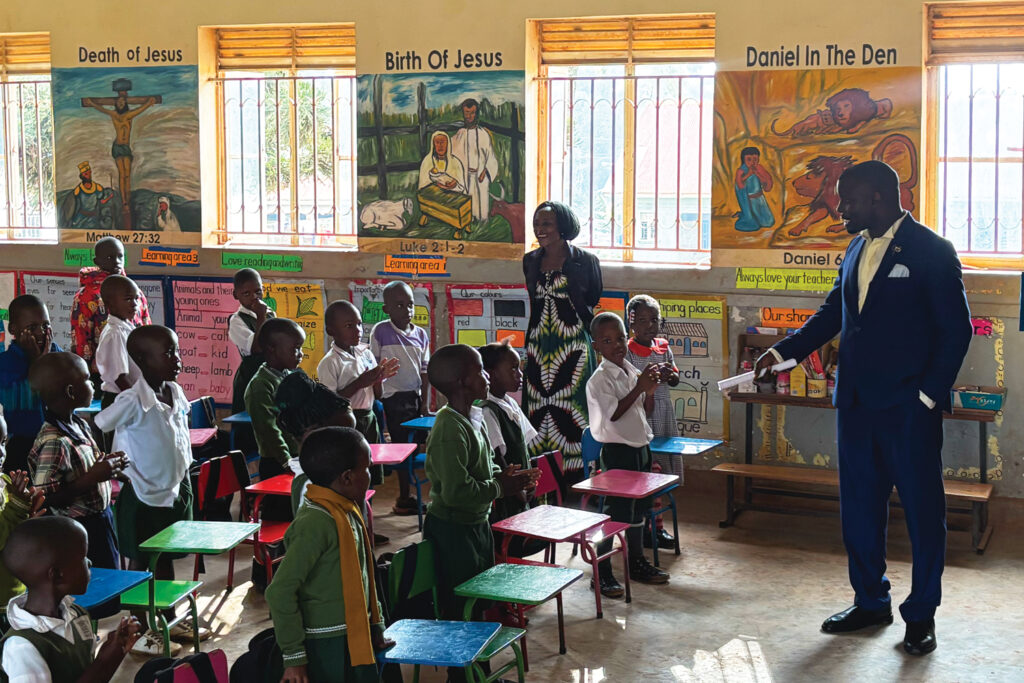
In Uganda, disability is often regarded as a curse. Many disabled children are hidden away, lack access to education, medical care, and mobility aids.
With over 1.28 million children living with disabilities in Uganda (Uganda Census 2024) and only 9% attending primary school (Ugandan Government, 2017), change is desperately needed.
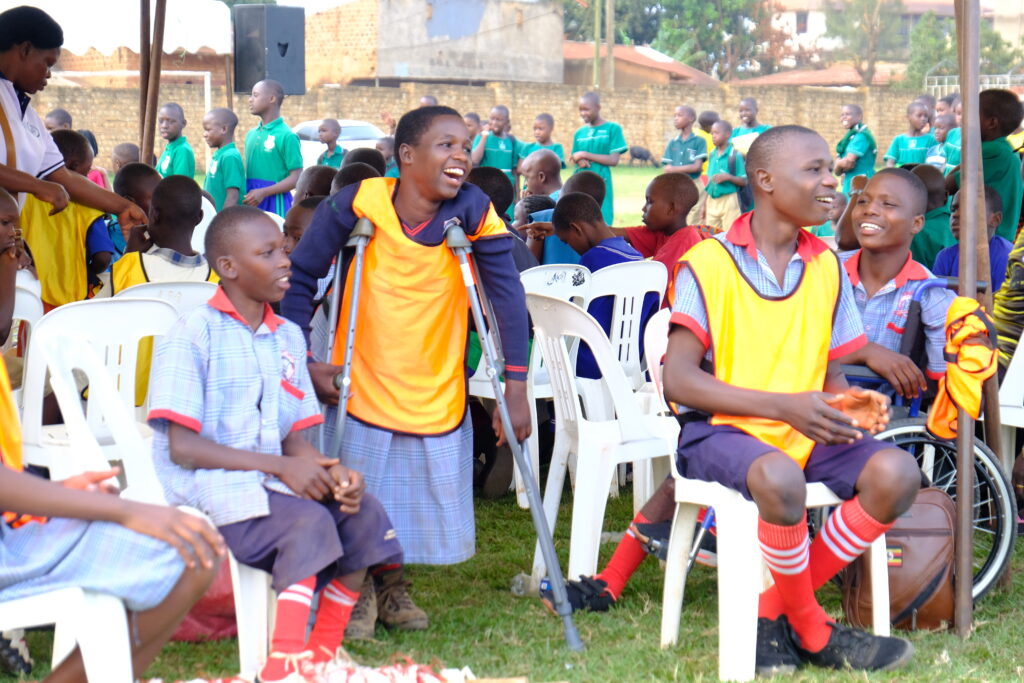
Children enjoying a sports festival in Uganda, 2025
Our Disability Inclusion Project will reach 3,152 disabled children across Kayunga, Mukono, Jinja and Buikwe districts from now until 2028.
Empowering activities include inclusive sports festivals, training for teachers and community leaders, and peer support groups. We also provide mobility aids such as wheelchairs and crutches and improve accessibility in schools and communities through ramps, pathways and toilets.
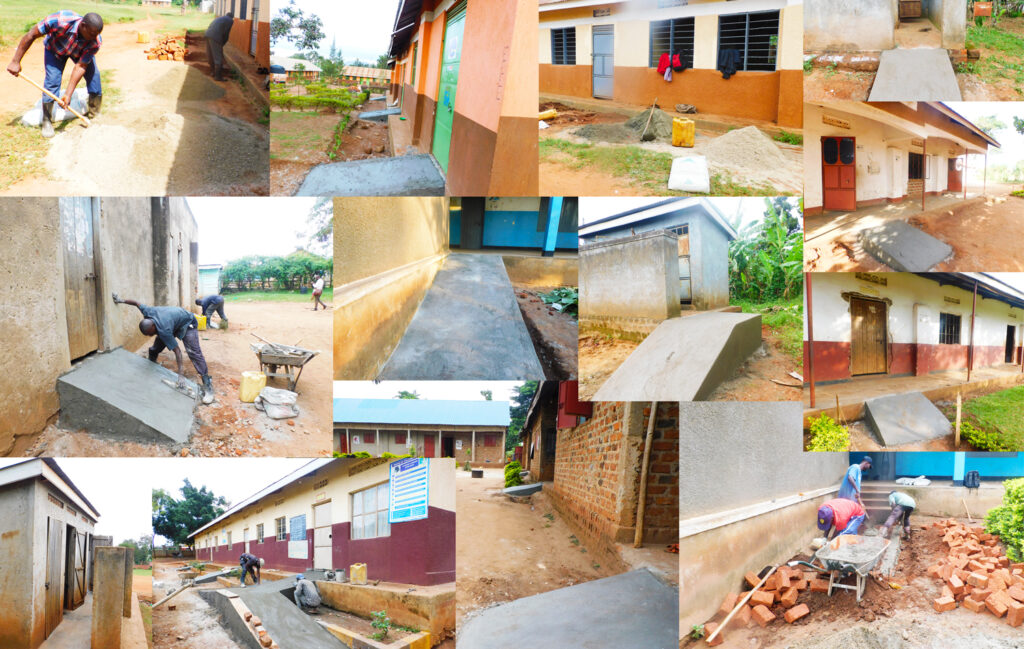
Infrastructure added to schools for better disability access
Through our four-pronged approach, we work closely with disabled children, their parents, teachers, and communities. At the heart of the programme is sport as a tool for change – helping children flourish while showing families and communities their true potential.
Sports days have been a key activity in reducing stigma and increasing inclusivity amongst young people:
“Sports has greatly made our pupils have a sense of belonging, feel loved and cared for. Through inclusive sports we managed to take the third runners’ position with 8 gold medals in goal ball competitions that were held in Masaka District.”
– Sanyu*, a visually impaired teacher from Martin Nkoyoyo Inclusive Primary School in Uganda.
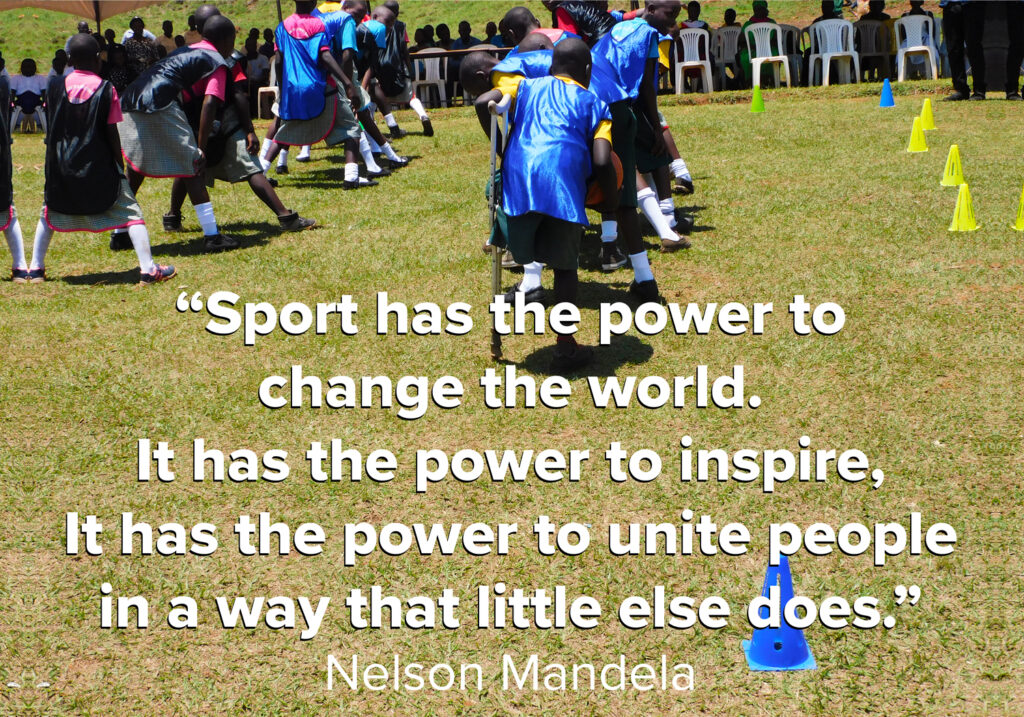
“Sport has the power to change the world. It has the power to inspire, it has the power to unite people in a way that little else does.” – Nelson Mandela
“Hundreds of children who could not smile now have a smile on their faces. For many of these children they had never ventured from their home area [so] attending the Sports Festival for many of them was a highlight.”
– the Project Coordinator Paul of IN Uganda.
“Disabled people are all too often misrepresented as passive and devoid of personal agency,” says Reverend Tim Goode, from the Diocese of Southwark, who is also a supporter of our DIP programme in Uganda. Revd. Tim is aware of the need for inclusion to take place not only in the UK but globally, too.
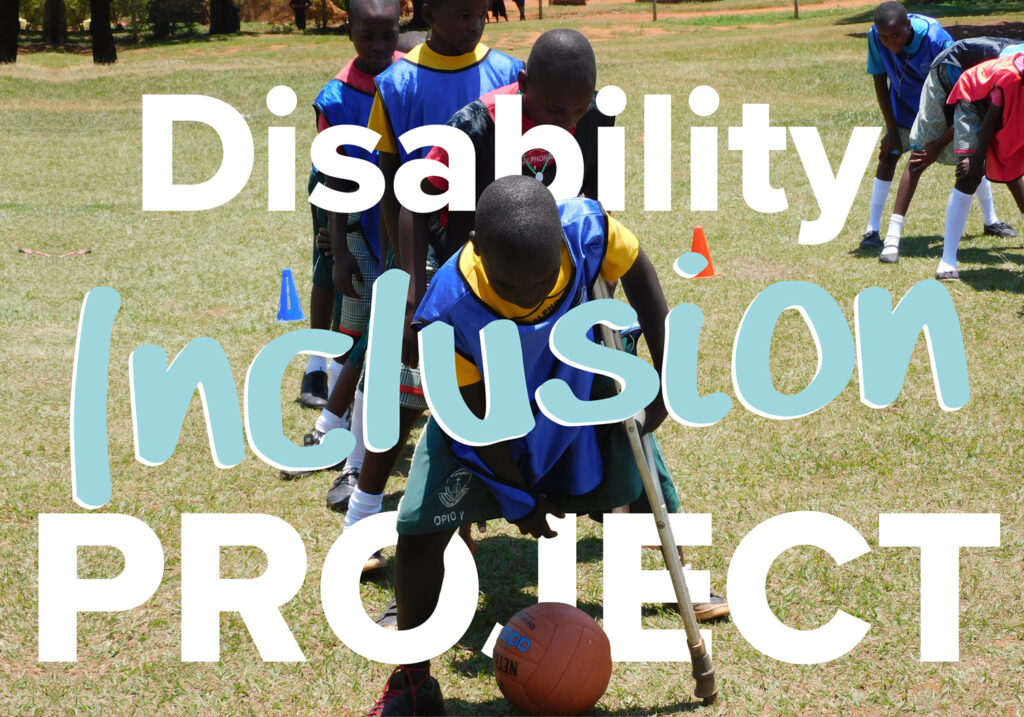
Learn more about our Disability Inclusion Project in Uganda here.
Written by Ali Mbugua, Chief Operating Officer
Amy Conroy, 4x GB Paralympian, is our very passionate ambassador for this project.
She says:
“My faith teaches me that every child is created equal and deserves the chance to flourish. Sport gave me back my independence, and I believe God can use it to open doors for children everywhere. I’m proud to stand with IN UK to raise the funds to ensure children with disabilities in Uganda have the same opportunity to play, to belong and to dream.“
Follow us on Instagram to hear project updates and empowering stories at @ineedsuk
June 16th, 2026
This is My Story: How Sponsorship Changes Lives
Child Sponsorship enables an education.
For many families, the costs of going to school with all the additional payments would be too much for them to afford. That is where sponsorship comes in.
With the £25 a month contribution for a child, they can be guaranteed a continuous education; and their family can focus their resources on other life essentials such as food, farm inputs and medical fees.
Parents around the world work so hard to provide for their children but relieving them the costs of an education helps them to focus on other immediate needs. And it makes a difference!
We want to find sponsors for 100 more children this year- can you help?
We particularly have an opportunity to support the education of disabled children in Uganda.
For many of these children, they have not had access to schools, whether because of mobility issues, insufficient support for developmental disabilities or the cost of medical support prohibiting families from affording school. In order to overcome these barriers, we sponsor children with disabilities to go to school for £50 a month. The higher cost ensures that their access requirements are met, they have in-class support and can receive needed medical care.
Amy Conroy (our ambassador and 4 x GB Paralympian) has recently started sponsoring Shafiq- here is his story.
Shafiq is 14 and has spina bifida. After his diagnosis, his father abandoned the family, leaving his mother alone to care for him, his 3 brothers and 3 sisters. As a result, she struggled to afford school fees and the extra costs for Shafiq’s needs.
However, after his involvement in the Disability Inclusion Programme, he now has access to a wheelchair and has been sponsored through his education!
Shafiq is a bright and enthusiastic learner who enjoys school and actively participates in sports, including volleyball. He is particularly strong in maths and hopes to become an accountant in the future.
May 27th, 2026
Learning without limits: the global state of education
A deeper dive into the global state of education
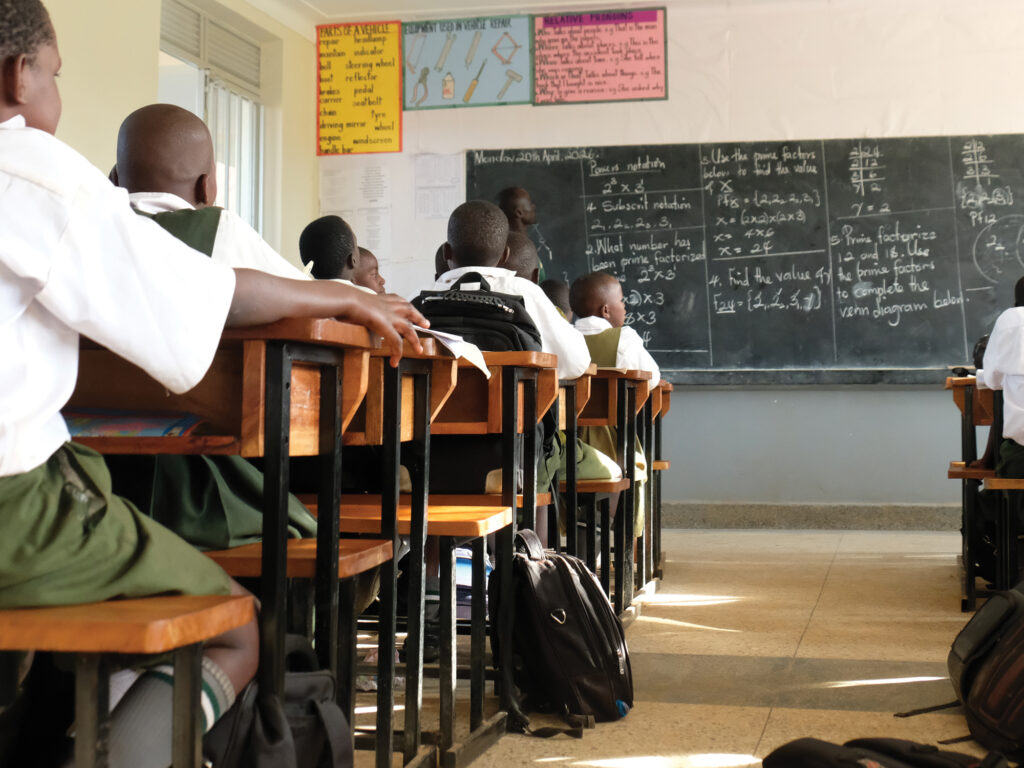
Students learning at Makonge Primary School in Kiyindi, Uganda, 2026
Since its launch in 2015, the United Nations’ 2030 Agenda for Sustainable Development set out to end poverty, reduce inequalities, and promote peace and prosperity. Its sustainable development goals, organised around people, planet, prosperity, peace, and partnership, present an ambitious blueprint for a more just and sustainable world.
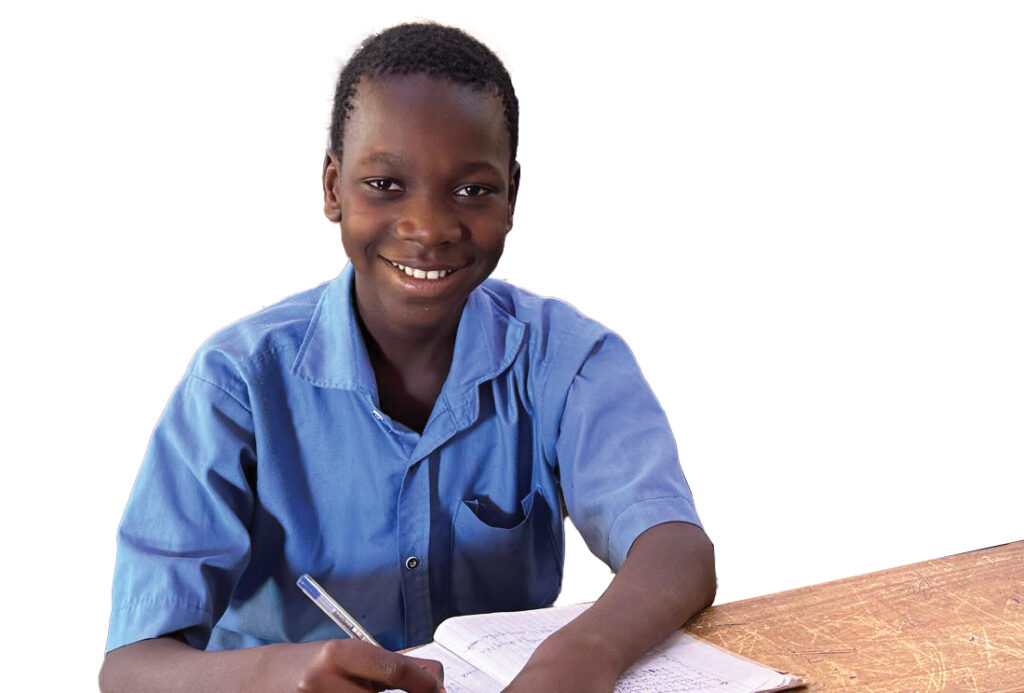
(Pictured) Abdoul Aziz, a displaced student, is doing well in his studies thanks to psychological sessions at La Bonne Nouvelle School in Burkina Faso, 2026
One of these goals focuses on ensuring every child and young person can access quality education and lifelong learning opportunities. This commitment is rooted in the belief that education is a fundamental human right and a driving force for broader development.
Access to learning strengthens families, and communities, and helps societies to grow in ways that are economically, socially and environmentally sustainable. With 2030 fast approaching, achieving this remains a challenge.
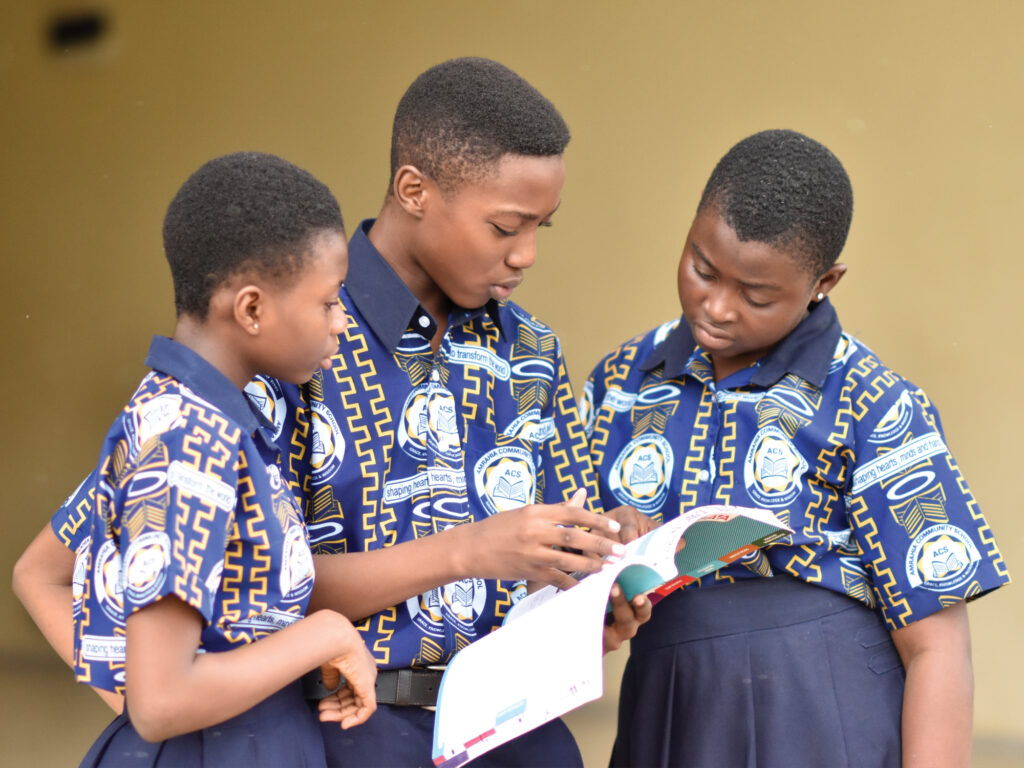
Students chatting together at Amrahia Community School in Ghana, 2026
While there has been measurable progress, 110 million more children have entered school since 2015, and 40 million more now complete secondary education, but major challenges persist. Approximately 272 million children and young people are still out of school, nearly 40% of them in sub Saharan Africa.
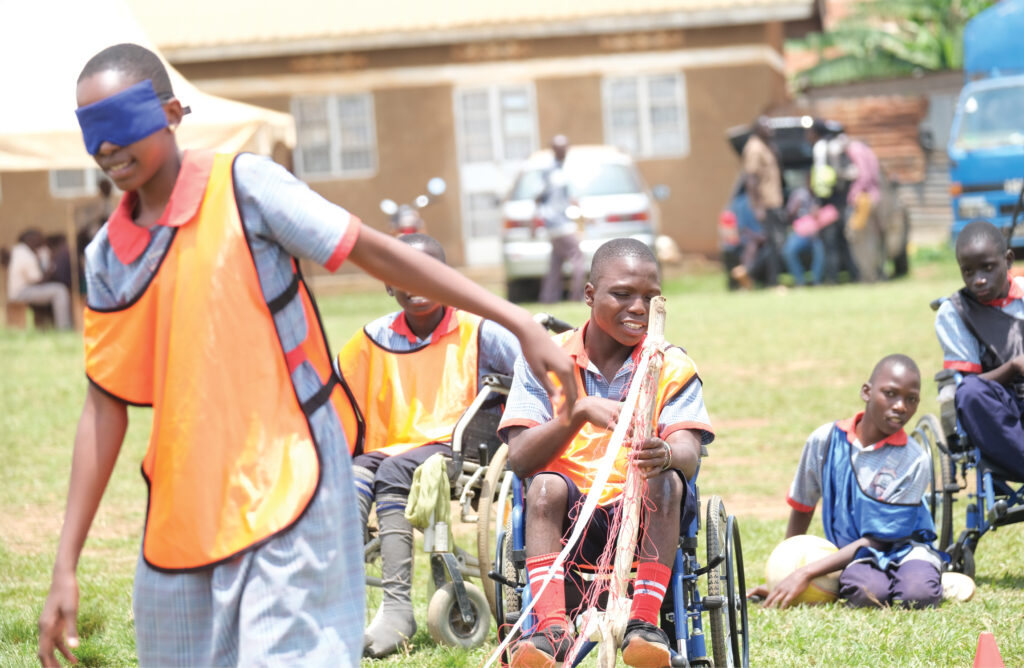
Action shot from a 2025 Sports Festival run by International Needs Uganda that actively includes children of all abilities
The most disadvantaged groups, including children with disabilities, those living in remote areas, and those affected by conflict, continue to face the greatest barriers to education. In- low and middle-income countries, about half of children with disabilities do not attend school.
But in some countries or local contexts where barriers are especially high, this can be closer to 90%.
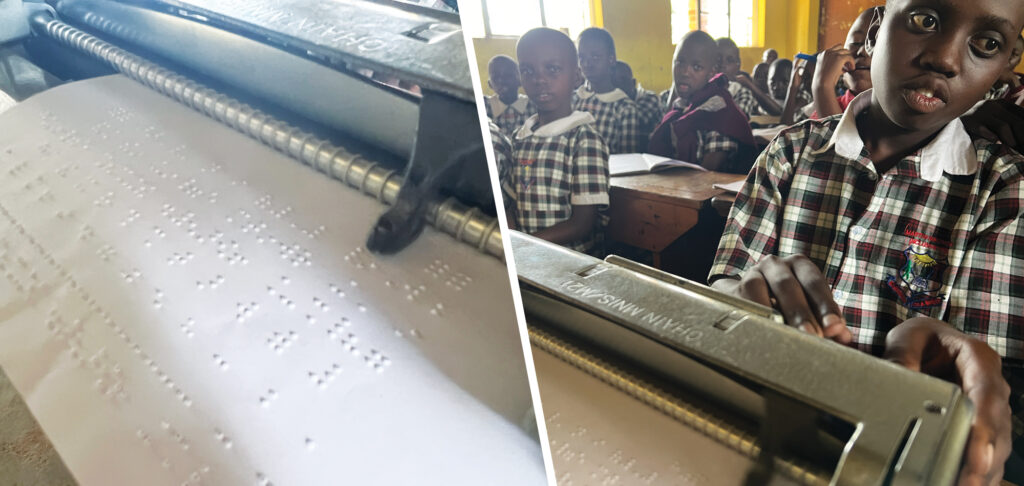
A student at The Martin Nkoyoyo Inclusive School using a Braille typewriter, 2024
Achieving this goal depends fundamentally on people, especially teachers. Recruiting, preparing and retaining well-educated and well-trained teachers is essential, particularly to ensure they can support learners with diverse needs.
But effective teacher development needs to reflect the social, cultural, economic, and political realities in individual countries. Teachers work in widely varying conditions from crowded, under-resourced classrooms to environments shaped by poverty or changing policy priorities.
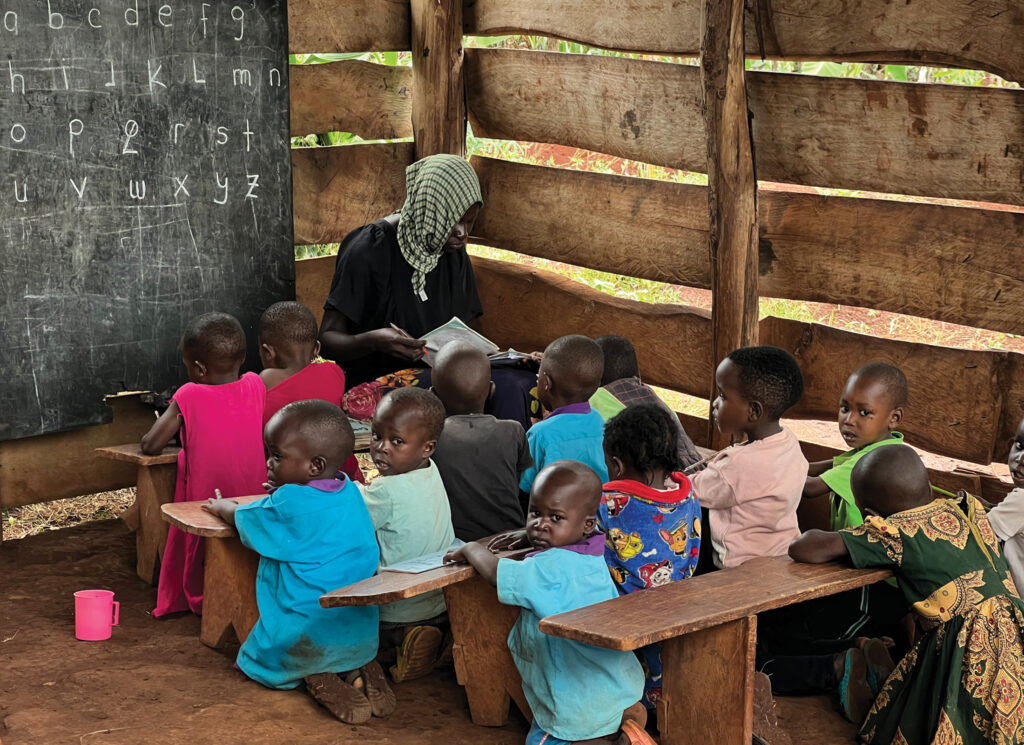
Rural Ugandan school, 2024
Teaching in a rural, resource poor setting demands different skills, tools and support systems than in a better resourced urban school. Likewise, teachers in conflict-affected areas may require trauma-informed training and flexible approaches that accommodate disrupted learning.
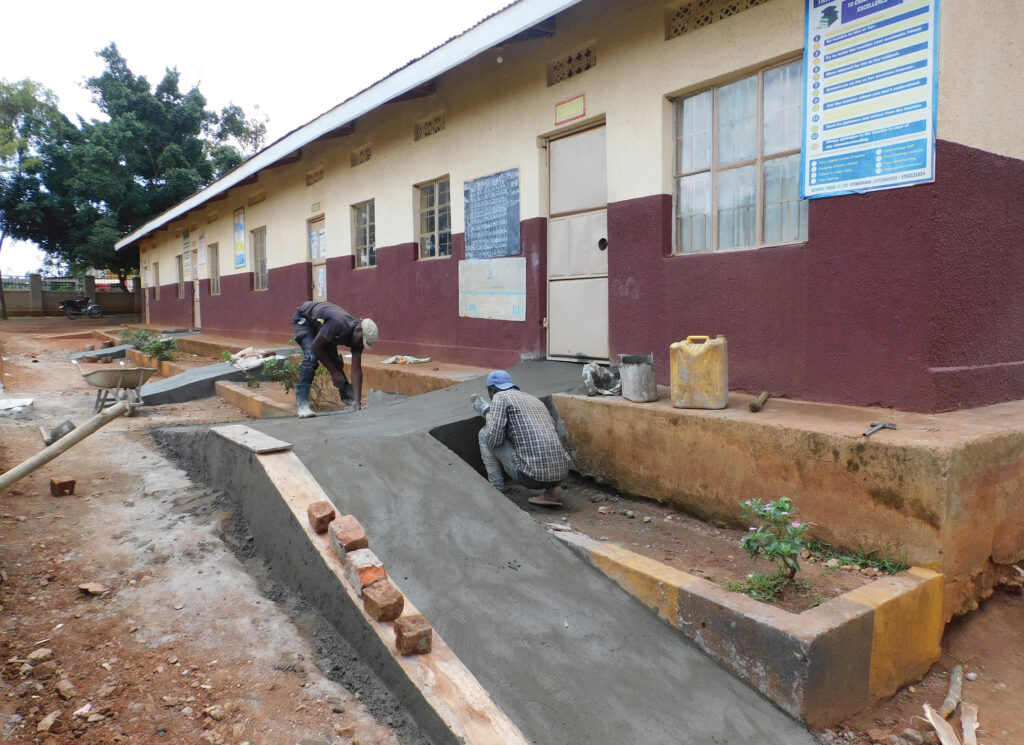
Ramps being added to schools as part of the Disability Inclusion Project in Uganda, 2024
Examples from IN’s programmes illustrate the transformative potential of inclusive and context responsive approaches.
In Uganda, the Disability Inclusion Project has significantly expanded educational access for children with disabilities. Up to 2,500 children have been enrolled with targeted support, while families have benefited from income generation initiatives designed to reduce financial pressures that often hinder school attendance.
By addressing both educational and economic barriers, the programme shows how disability inclusion can strengthen children’s opportunities while enhancing family resilience and wellbeing.
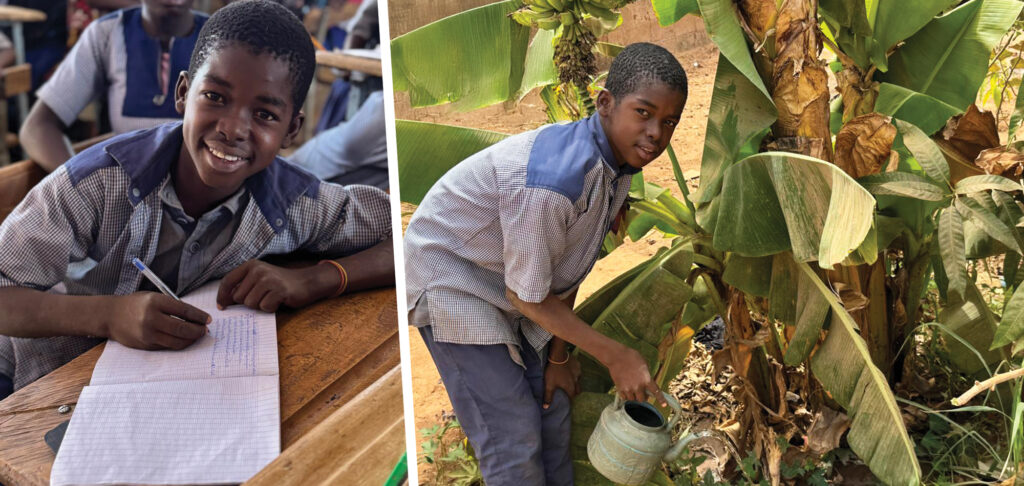
Noufou, a displaced student, continues his studies in peace thanks to help through the Trauma Counselling Programme run by International Needs Burkina Faso (2026)
Similarly, in conflict affected regions, the stabilising power of education becomes especially clear. In Burkina Faso, La Bonne Nouvelle School has welcomed more than 400 internally displaced children. The school offers not only safe and structured learning but also integrated trauma counselling.
This combination of education and psychosocial support highlights the essential role schools play in fostering stability, restoring hope, and supporting recovery for children living through conflict.
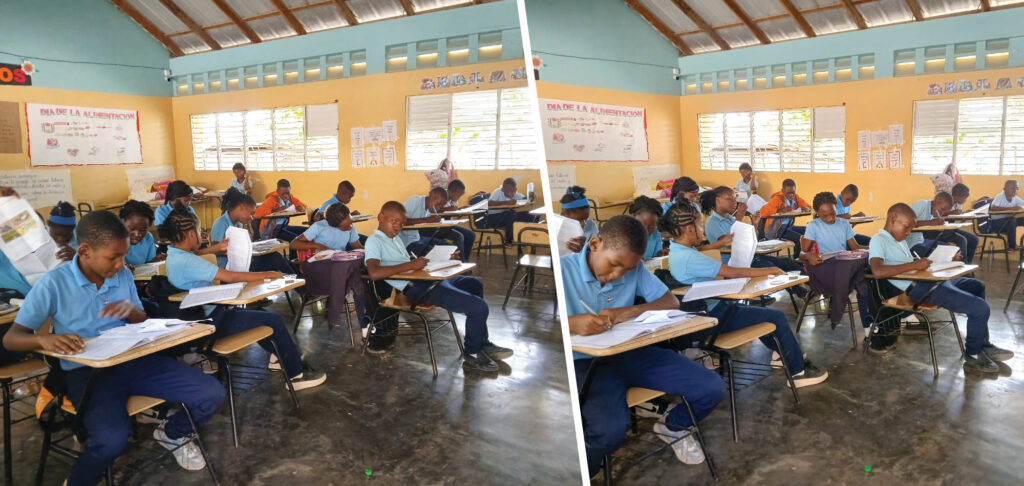
Students studying at the Juan Calvino School in Dominican Republic, 2026
Recognising and responding to these contextual differences is essential for building a teaching workforce capable of delivering inclusive, high quality education everywhere.
Empowered teachers, supported within their own local realities, are central to helping children flourish and ensuring no one is left behind as the world approaches 2030.
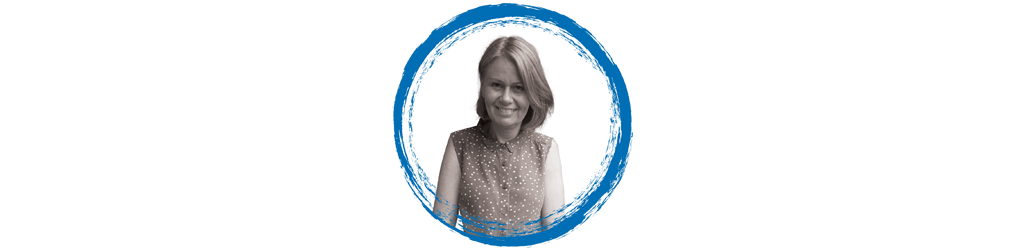
Written by Dr Elizabeth King
Dr Elizabeth King serves on the IN Board of Trustees and is an Honorary Fellow of the University of Melbourne. An educator, researcher, and former missionary, she has extensive experience working in the UK, Australia, and Southeast Asia. Her academic work focuses on education in the Global South, particularly in teacher education, policy implementation, and the interplay between culture and schooling in developing contexts.
References:
UNESCO, Global Education Monitoring Report (2024/25): Leadership in Education
UNESCO, World Education Statistics (2025)
October 10th, 2025
Our New Ambassador: Paralympian Amy Conroy!
A huge, warm welcome to Paralympian Amy Conroy as she joins us on this journey as our newest ambassador for the Disability Inclusion Project (DIP)!
Amy’s not only a four-time Paralympian and Team GB wheelchair basketball player, she’s also someone who deeply understands the power of sport to change lives.
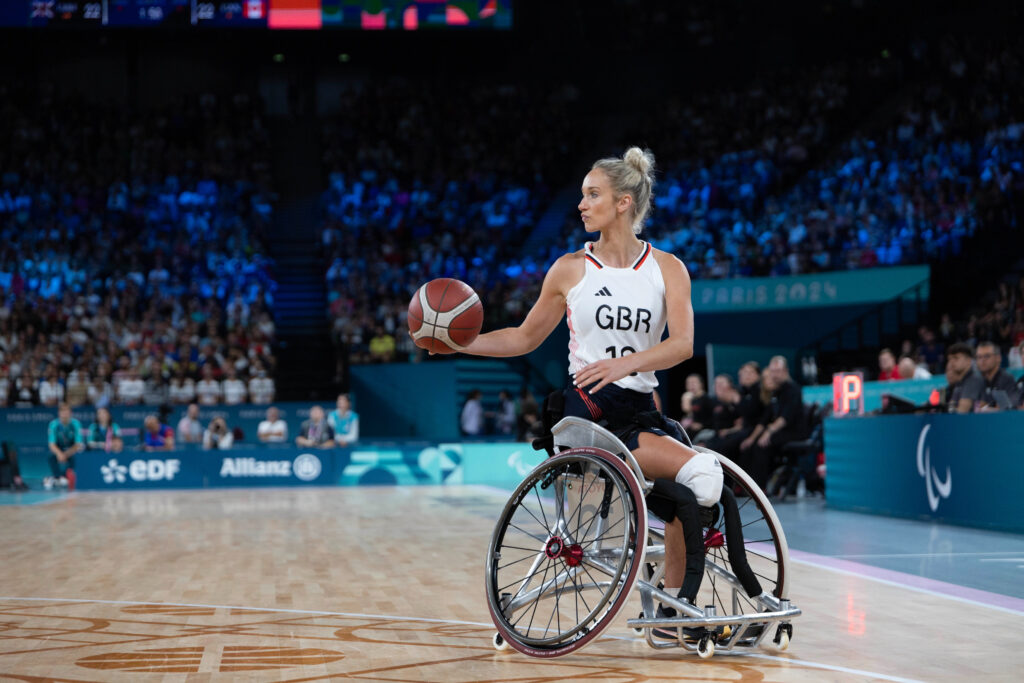
Photo credits: AXA GYM – ParalympicsGB
After losing her leg to childhood cancer, Amy found confidence, purpose and belonging through sport and her Christian faith. Now, she’s bringing that same passion to help children with disabilities in Uganda experience the same joy of inclusion.
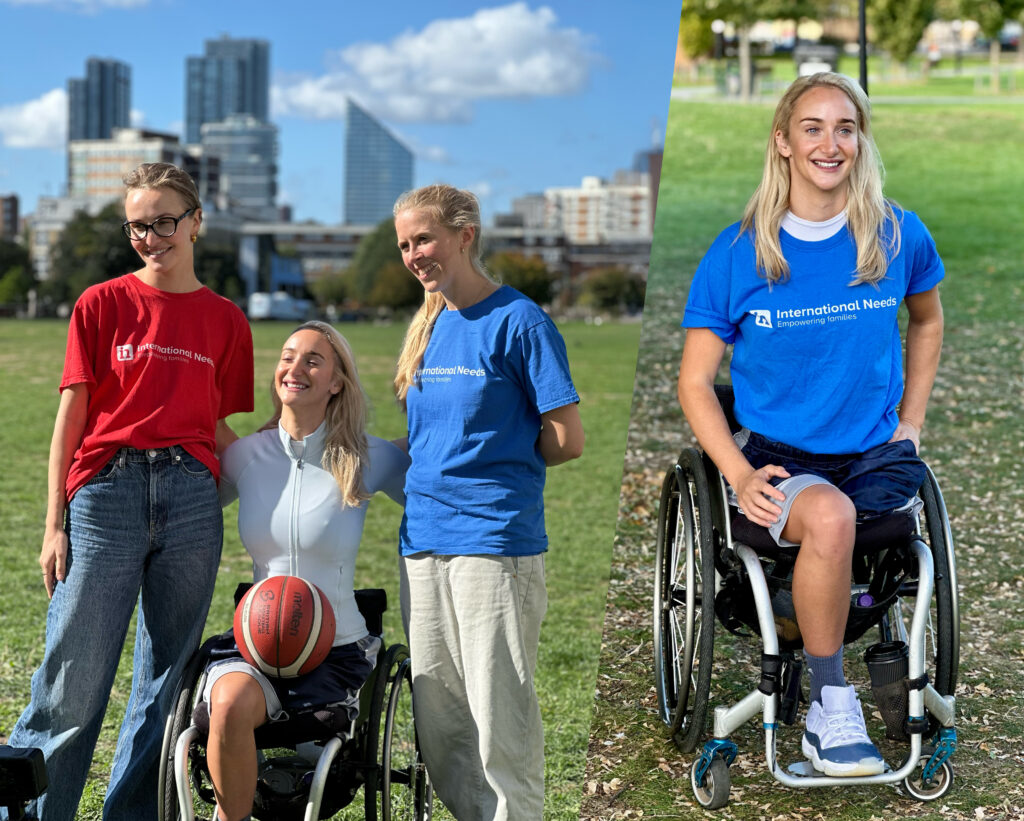
Amy smiles with Zoe (Communications Officer) and Ali (Head of Programmes and Fundraising). Photo credits: David Giles
“Sport gave me back my independence, and I believe God can use it to open doors for children everywhere,” Amy says. “I’m proud to stand with IN UK to raise the funds to ensure children with disabilities in Uganda have the same opportunity to play, to belong and to dream.”
In Uganda, disability is still widely misunderstood. Too often it is seen as a curse. Many children with disabilities are hidden away, without access to school, medical care or mobility aids. But change is possible.
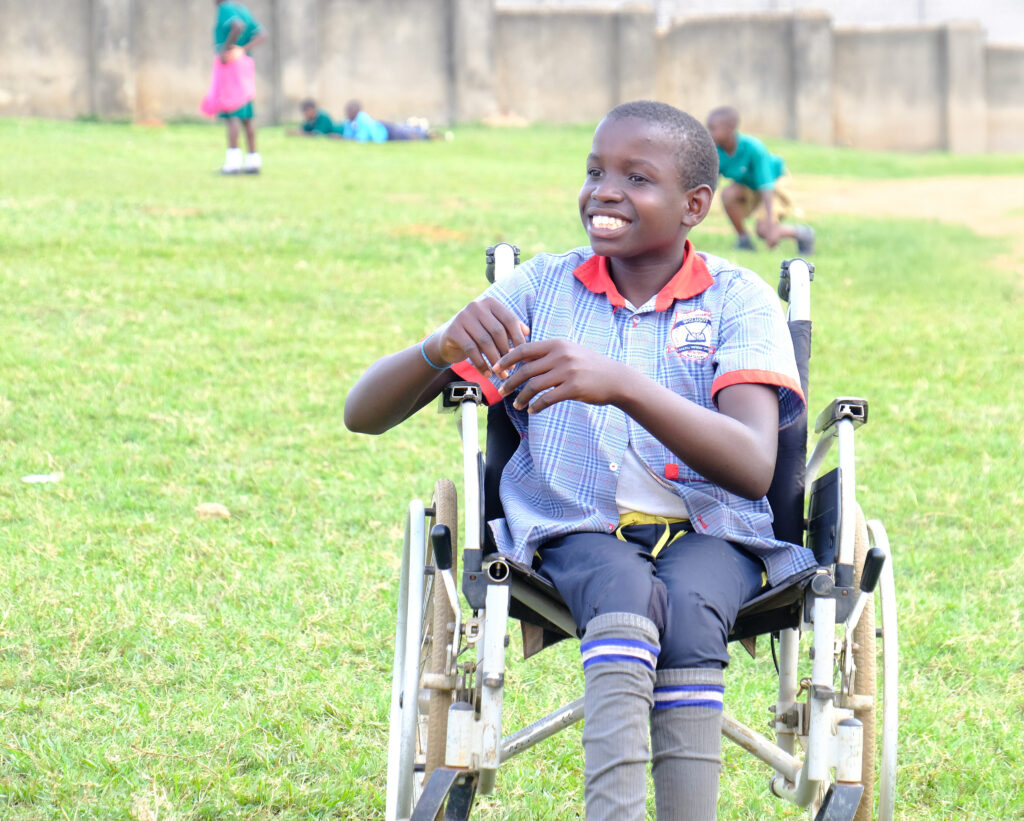
A child smiles at a Sports Festival in Uganda, 2025
That’s where DIP, led by our partners International Needs Uganda, comes in. Through sport, awareness and community engagement, the project is transforming how children with disabilities are seen and supported. helping them flourish and showing families their true potential.
Over the next three years, the project will reach over 3,000 disabled children across four districts – Kayunga, Mukono, Jinja and Buikwe – through inclusive sports festivals, teacher training, parent support groups, and improved accessibility in schools and communities.
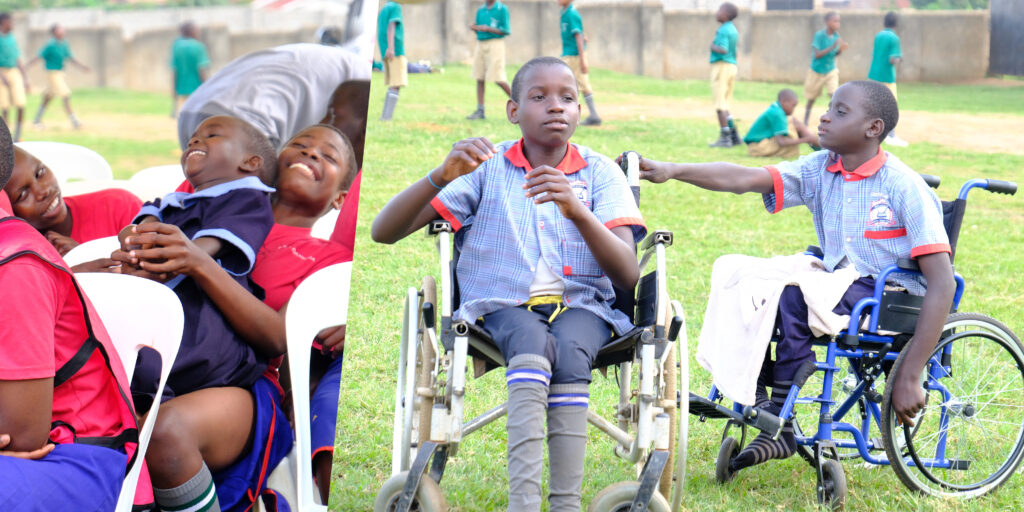
As Amy joins us, we’re already dreaming up creative (and very competitive!) ways to raise funds together. From this December’s Big Give Christmas Challenge to an ambitious Guinness World Record attempt in early 2026, it’s going to be an exciting journey.
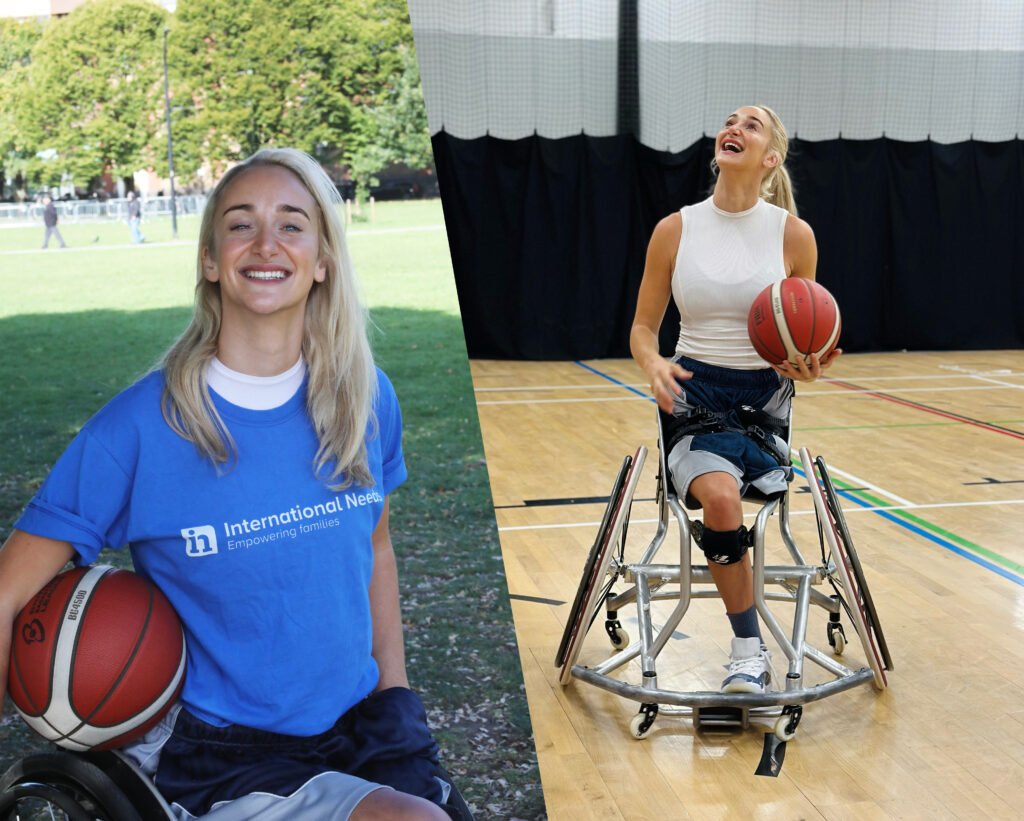
Photo credits: David Giles
Our goal is to raise £330,000 over the next three years, which will be funding life-changing work that’s helping children with disabilities in Uganda live life to the full.
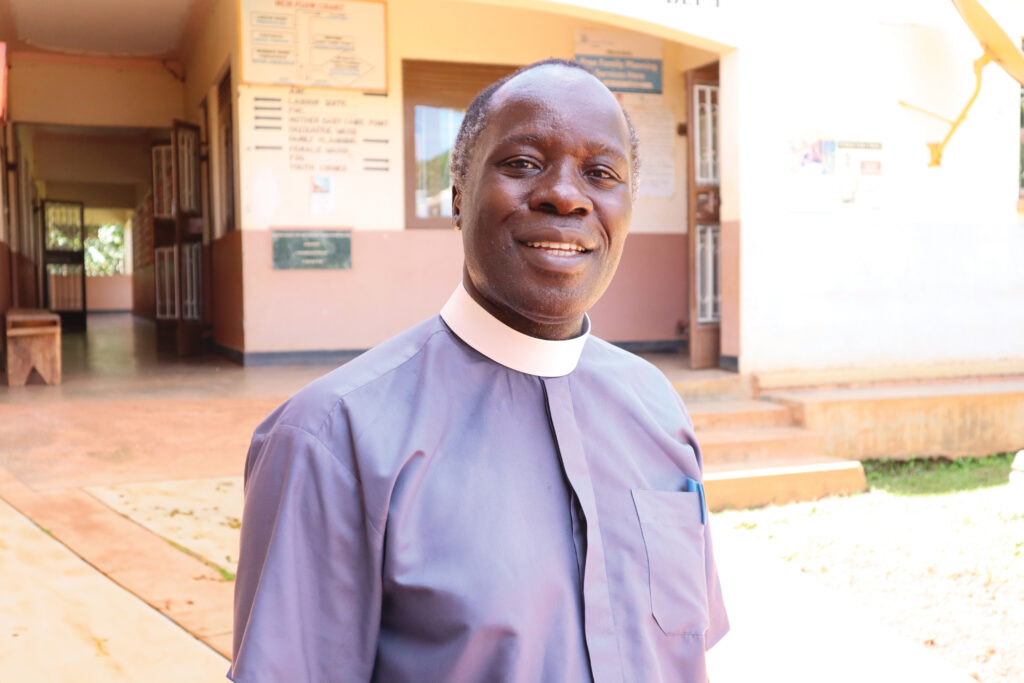
Rev Canon Justus Miwanda, Executive Director of IN Uganda, says:
“For disabled children, especially in Africa, life can be incredibly tough. They are often isolated and denied opportunities. But in our generation, we can change that. Whether we build ramps, provide sports equipment or train teachers, these things bring dignity and hope. Let’s do whatever we can to help them flourish.”
Together, with Amy and supporters like you, we can help ensure no child is left on the sidelines.
To follow Amy’s journey with us and stay up to date on upcoming events, follow International Needs UK on Facebook, and @ineedsuk on Instagram, TikTok and YouTube.

March 27th, 2024
Living with a disability in Uganda
One billion people, or 15% of the world’s population, experience some form of disability. Persons with disabilities, on average as a group, are more likely to experience adverse socioeconomic outcomes than persons without disabilities. [1]
This is why we are actively working for the inclusion of people with disabilities, specifically in Uganda.
In countries like Uganda, a child with disabilities can be seen as a ‘curse’, which in turn can bring shame to a family. It is not uncommon for mothers to be told to abandon or even kill their infant child.

The consequences of such beliefs can be dire, and so it is a challenge for our International Needs Uganda team to work with – but through compassion, understanding, education, and providing the appropriate tools and equipment, we can overcome many of these harmful belief systems.
Commonly rooted in superstition, these views can result in situations where children with conditions like cerebral palsy are left lying on the floor. These children ‘can live lonely, miserable and isolated lives, suffering from malnutrition, respiratory problems or pressure sores. In the very worst cases, they die.’ [2]

Through our Disability Inclusion Project in Uganda, we are have been thrilled to see real change happening. For starters, there has been a remarkable 20% increase in primary school enrolment of children with disabilities.
Considering that in Uganda, ‘people with physical or intellectual disabilities are often considered a burden; unable to work, or to learn,’ [3] this has been an amazing achievement, all thanks to the incredible efforts of International Needs Uganda and our supporters. The number of children with disabilities attending 60 primary schools has risen from 1,966 to 2,378 between the end of 2022 and the first school term in 2023 – but we won’t stop here.

As part of the Disability Inclusion Programme we are
- Creating/maintaining Child Protection Committees
- Networking with leaders
- Providing sports equipment and mobility equipment
- Constructing ramps and adapted toilets
- Investing in livelihoods for families
- Supporting teachers with training
- Undertaking awareness raising in the community

Some of the ramps we have had constructed in schools to help make education more accessible
To see the current three year disability inclusion programme through to completion in February 2025, we are looking to raise £20,000 – which is the equivalent of us finding 500 people who were able to donate £40 each.
Being able to continue our programme will help to stop the stigma that ‘is fuelled by beliefs that people with disabilities are cursed.’ In fact, children with disabilities ‘rank among the most socially outcast and vulnerable in Uganda.’ [3]

Meet this resilient young man from Mukono, whose wheelchair was fixed and restored by our team
In Uganda, children with disabilities are more likely to:
– Be denied healthcare.
– Not attend school.
– At higher risk of abuse and sexual violence.
– Be hidden away, warehoused out of sight, or worse. [3]
Together, we can make education more inclusive and accessible for all.
If you are able to donate £40, or even just a few pounds, you could help towards transforming not only an individual’s life, but the way they are treated and perceived in their wider community.

[1] Worldbank.org, 2023
[2] Gov.uk, 2014
[3] The Irish Times, 2020
June 16th 2026